






 Portuguese
  Spanish


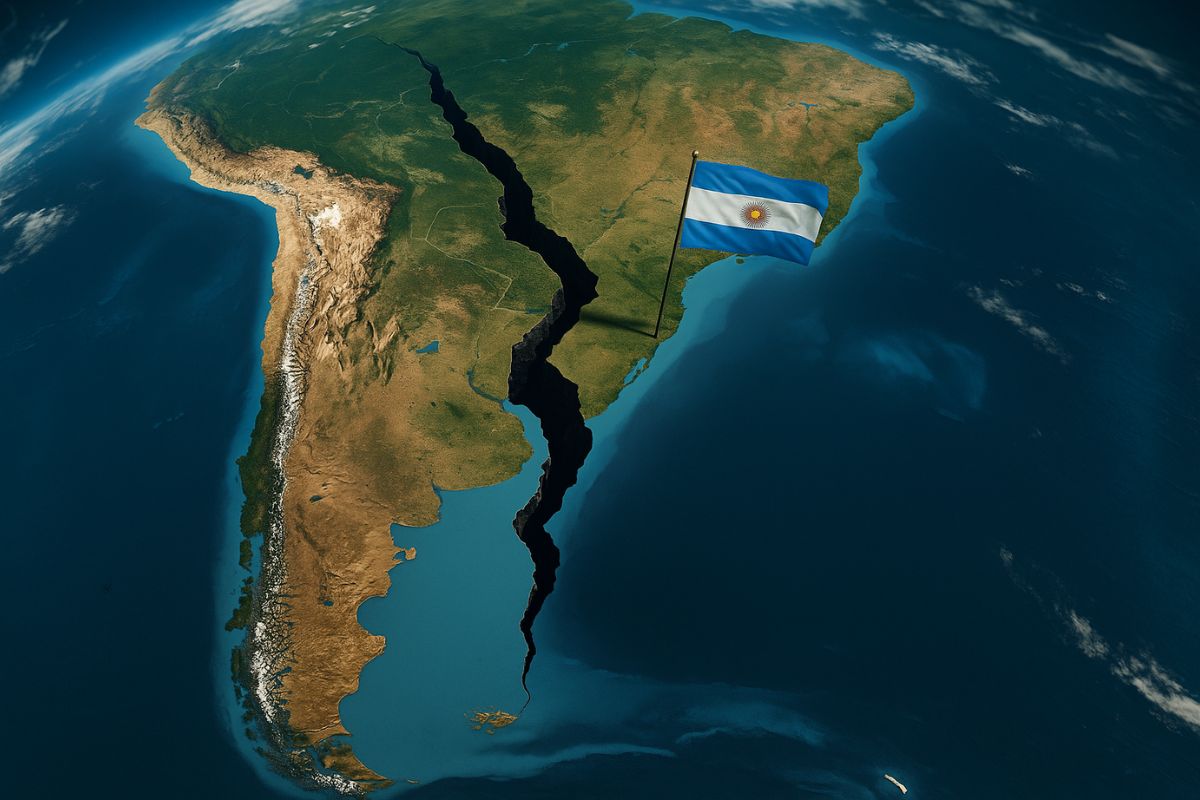


Nobel Prize in Economics Warns of Imminent Risk of Financial Collapse in the Country Due to Rising External Debt and Exchange Rate Instability.
The <strong crisis in Argentina may be about to enter a new chapter, according to a warning from economist Joseph Stiglitz, Nobel Prize winner and former president of the World Bank. For him, the combination of growing external debt and lack of dollar inflow creates an explosive scenario that could lead to another deep recession.
The warning came amid a moment of apparent stability propagated by parts of the Argentine and Brazilian press, but that, according to Stiglitz, does not reflect the reality of the numbers. Data on industrial production, international reserves, and economic activity show clear signs of fragility.
The Risk of a New Crisis
Stiglitz points out that the Milei government has been increasing external debt without generating a proportional inflow of dollars to meet obligations. This means that, in a short time, the country may face difficulties in paying creditors, something that has historically preceded periods of crisis in Argentina.
-
Brazil’s Federal Revenue Auction: iPhone 13 for $95, PlayStation 4 for $80, and Volkswagen Jetta for $2,600 Among 232 Lots Available

-
Tech Giant Oracle Lays Off 21,000 Employees and Invests $70 Billion in Artificial Intelligence

-
Chilean Giant Acquires St. Marche, Expanding from Discount to Premium Supermarkets in São Paulo’s High-End Retail Market
-
After 60 Years of Selling Cheap Milk, Brazilian Family Invests in $4,000 Equipment to Transform Farm’s Milk into Premium Sweets, Producing 2 Tons Daily and Aiming for $6.4 Million


The situation is exacerbated because key sectors, such as industry, are experiencing sharp declines, reducing the capacity to generate foreign currency through exports. Without enough dollars, the government resorts to international reserves — which, in practice, are inflated by loans, not by trade surpluses.
Exchange Rate Pressure and Impact on Prices
The recent end of currency control was a forced decision, necessary for the country to take new loans from the IMF. The official expectation that the dollar would “drop like a piano” did not materialize — on the contrary, the U.S. currency skyrocketed, coming close to the ceiling of the exchange rate band.
When the dollar rises at this pace, imported inflation intensifies, putting pressure on domestic prices. To contain this escalation, the government may try to slow economic growth, a measure that, if adopted, could increase the risk of new crisis in Argentina.
Economy Stagnating
Indicators such as retail sales index, industrial capacity utilization, and level of economic activity show stagnation. Since the beginning of 2025, the accumulated growth is only 0.68%, and there are signs of deceleration in recent months.
Even with the official rhetoric of recovery, the numbers reveal that the economy is “stagnating,” a scenario that, combined with the rising dollar, tends to worsen the purchasing power of the populace and exacerbate the crisis in Argentina.
Salaries, Unemployment, and International Reserves
Despite some positive headlines, official data shows that real wages remain below the levels at the end of the previous government. Unemployment has also reached the highest level of the Milei administration, and the increase in international reserves is primarily due to new loans — further increasing external vulnerability.
According to Stiglitz, this is precisely the most critical point: a country can sustain reserves in the short term, but if they come from debt, not from its own dollar generation, the risk of collapse remains high.
Outlook for the Second Half
Historically, the second half of the year is more challenging for Argentina’s external accounts, as dollar inflow from exports decreases. If this trend is confirmed, exchange rate pressure may increase, accelerating the risk of crisis in Argentina.
For Stiglitz, the government’s response in the coming months will be decisive. Measures that prioritize sustainable growth and balance in external accounts can ease the pressure. However, if the country continues to increase its debt to finance reserves, instability is likely to intensify.
And you? Do you believe that Argentina will be able to avoid a new crisis, or is Stiglitz’s warning inevitable? Share your opinion in the comments.






todos os países governados pela esquerda na América latina estão na ****..
É óbvio e notório que os vizinhos estão vendendo o almoço para comprar a janta, é uma questão de dias para o colapso total do hermanos…
Pelos comentários dos “cidadãos de direita” podemos observar o nível de conhecimento e intelectualidade, só não são desprezíveis porque votam.