






 Portuguese
  Spanish
  2 min of reading
  0 comments


The North and Northeast Regions Are Becoming Protagonists in Renewable Energy Export. See Impressive Data, Infrastructure Investments, and the Impacts for Brazil’s Sustainable Future:
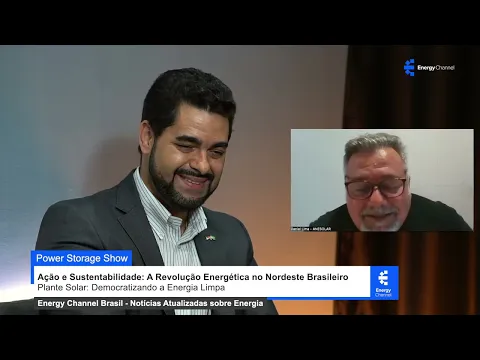
Certainly, the North and Northeast regions of Brazil are about to experience a significant change in the electricity sector. Therefore, by 2029, the transmission capacity of these areas to other parts of the country may grow by 30%. Furthermore, according to the National Electric System Operator (ONS), this expansion reinforces national energy security. Thus, it also consolidates Brazil’s role as a global leader in renewable energy.

Why Is This Increase Relevant?
Undoubtedly, the Northeast stands out as an energy powerhouse, due to the rapid expansion of renewable sources such as wind and solar energy. For instance, between 2022 and 2024, the installed capacity of these sources grew from 35.4 GW to 66 GW. Thus, this increase represented an impressive growth of 89%. Furthermore, more than 31% of the installed electric capacity in Brazil now comes from renewable sources. Therefore, the importance of investing in a more robust transmission infrastructure is evident.
The Role of Infrastructure in Energy Transformation
Thus, significant investments are being made in infrastructure to enable this increase in transmission capacity. For example, the Ten-Year Energy Expansion Plan 2029 (PDE 2029) provides for a 32% expansion in the length of transmission lines. Furthermore, the capacity of substations is expected to grow by 41%, ensuring greater reliability and security for the electrical system. Finally, it is important to remember that these improvements are essential to better integrate renewable sources.
-
Brazilian scientists are simultaneously advancing two research projects on clean hydrogen and driving solutions that could transform the energy matrix, enhance industrial competitiveness, and accelerate large-scale emission reduction targets.

-
Advancement in renewable energy: A R$ 150 million project launched by Petrobras and Finep aims to create state-of-the-art electrolyzers for green hydrogen, strengthening national research and preparing Brazil to compete in a billion-dollar energy market.
-
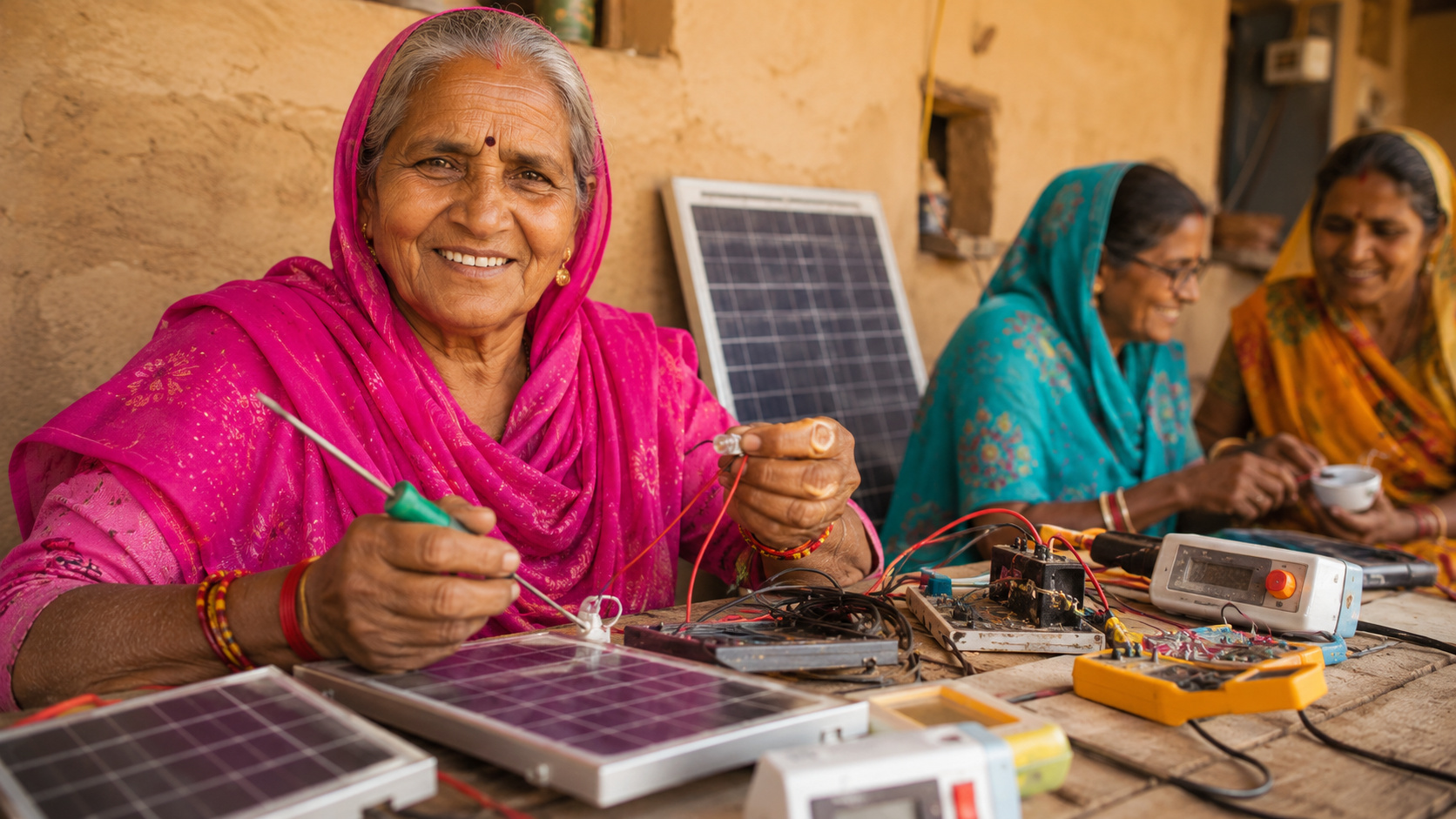
Illiterate or semi-literate grandmothers were trained to repair solar systems, open rural workshops, and light up homes that still depended on kerosene.
-
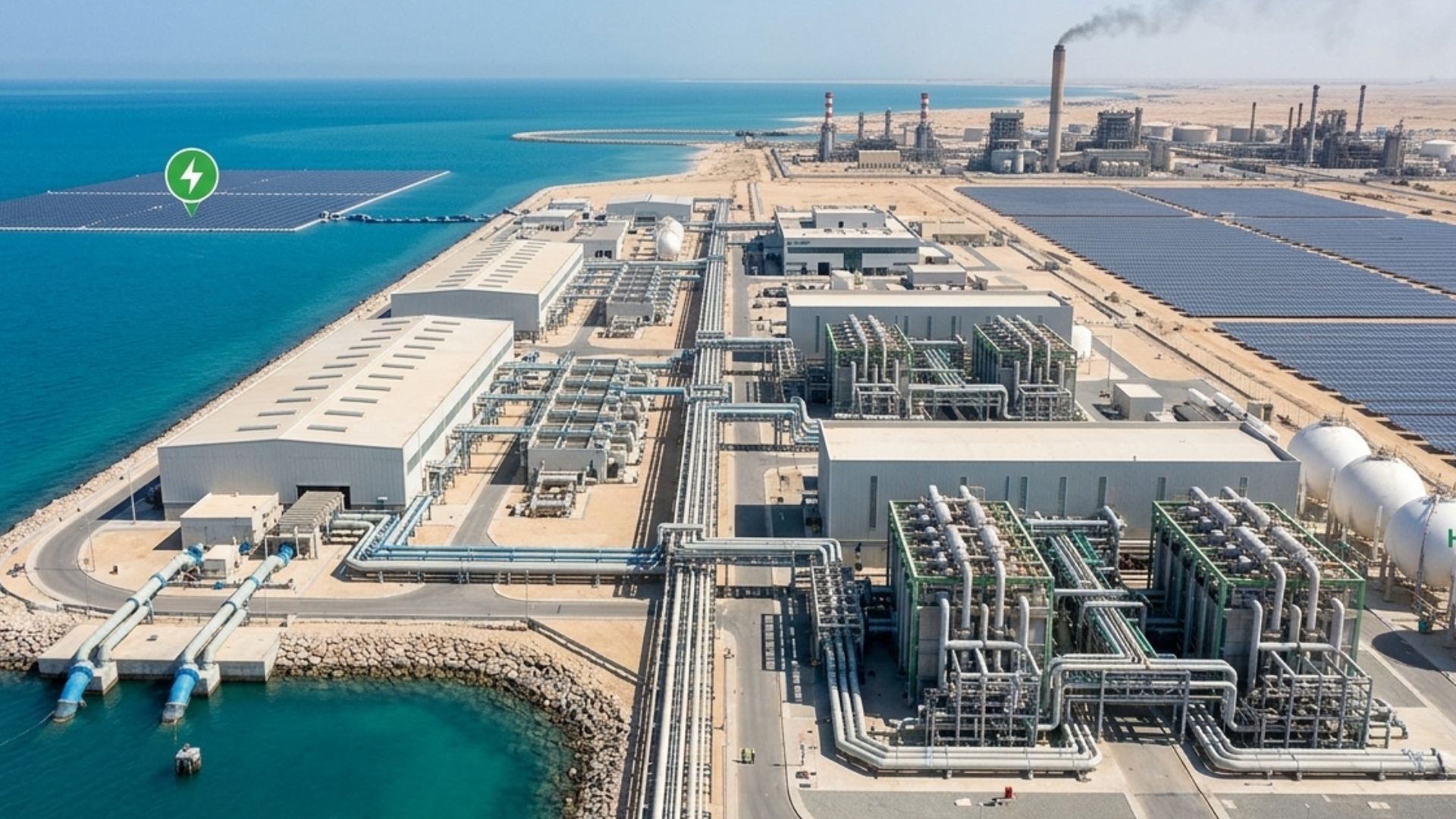
The world has bet on green hydrogen as the fuel of the future, but now faces the side effect: producing 1 kilogram requires about 9 liters of ultrapure water, and the largest projects on the planet are precisely in the driest regions of the Earth, where water is already scarce for people.



Benefits for Brazil and the Planet
Undoubtedly, this expansion brings a series of benefits for the country and the environment. For example, it reduces the restrictions for the flow of excess energy, in addition to increasing energy security. Moreover, the improvement in the system minimizes the risks of blackouts and electrical failures. Certainly, the expansion of renewable sources directly contributes to the decarbonization of the national electrical matrix. Thus, Brazil consolidates its role as a model of energy sustainability.
A Promising Energy Future
Therefore, the projected 30% increase in energy transmission capacity in the North and Northeast by 2029 reaffirms Brazil’s leadership in renewable energy. Thus, these advances benefit the country while driving the transition to a more sustainable future. Hence, it is essential to continue investing in solutions that promote integration and energy efficiency.





Be the first to react!