






 Portuguese
  Spanish


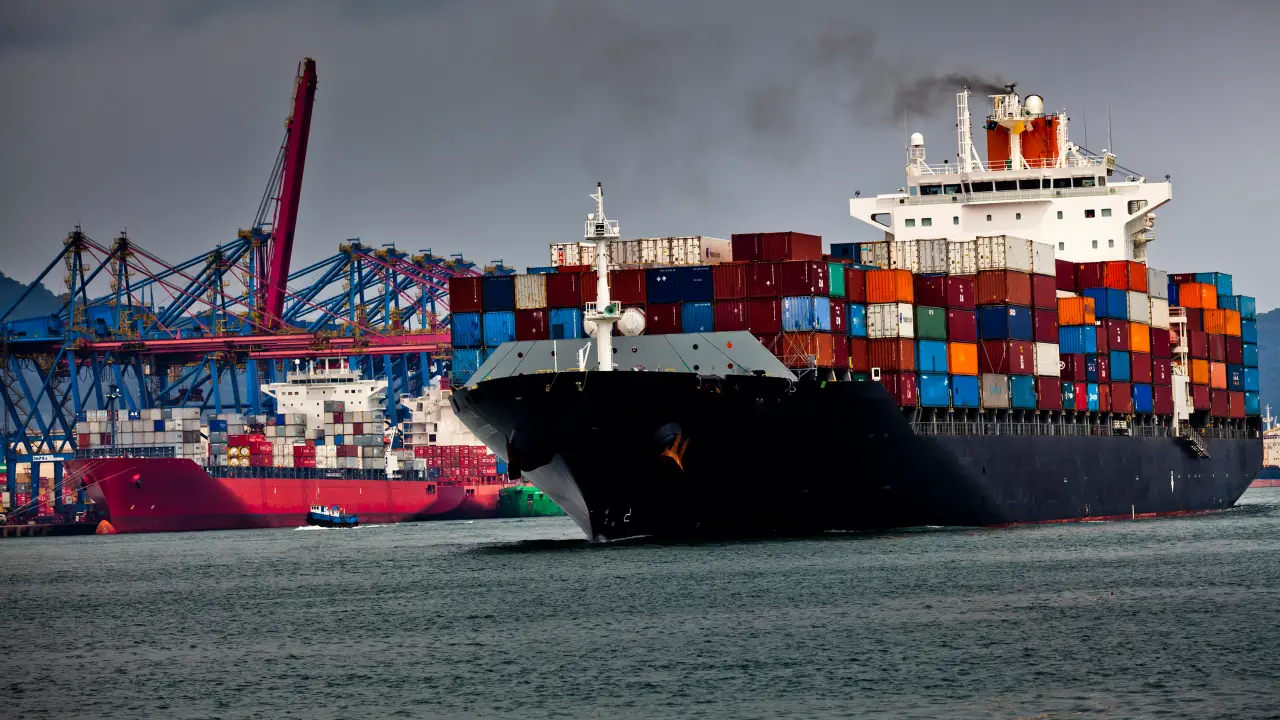

Importation of Russian Diesel in Brazil by Small and Medium Distributors.
The Brazilian Association of Fuel Importers (Abicom) announced that sales of Russian diesel to Brazil increased to 13.9% in February and 18.5% in March of this year, driven by lower prices offered by Russian suppliers.
While the three major fuel distributors in the country – Vibra, Raizen, and Ipiranga – have not yet imported Russian diesel, Abicom, which represents ten small and medium-sized companies, confirmed that at least two of the associated companies are already importing the Russian product.
Additionally, the importer Nimofast, which is not associated with Abicom, has been importing the largest volumes of Russian diesel to Brazil, adhering to the compliance standards of the Brazilian and European markets.
-
China Tightens Control on Antimony, Driving Prices from $22,000 to Nearly $40,000 per Ton as U.S. Rushes to Bolster Strategic Reserves

-
BlackRock Freezes $1 Billion in Brazilian Renewable Energy, Impacting 1.5 GW of Planned Projects and Highlighting Investor Concerns Over Infrastructure Bottlenecks Cutting Up to 25% of Solar and Wind Generation
-
Labor Shortage: Despite Record Average Salary, 90% of Brazilian Bar and Restaurant Owners Struggle to Hire Key Roles Like Sushi Chefs and Head Cooks

-
Supermarket Deli Counter Attendants in Brazil Could Earn Over $2,100 Monthly by 2026, Plus Benefits Package


More Attractive Prices
The companies are taking advantage of the lower prices of Russian diesel, negotiated with a differential of up to US$ 0.20 below the rest of the market. This price difference is significant, reaching nearly R$25.00 per cubic meter or R$0.25 per liter, which is very substantial in a market with tight margins.
Ukrainian Conflict
Under normal conditions, the geographic distance between Brazil and Russia would increase freight costs and make the price of the Russian product less attractive. However, the war in Ukraine has allowed trade routes to be executed and the final prices of the product to be reduced to undercut offers from other markets, such as the United States, which is the largest supplier of diesel to Brazil.
Although large fuel distributors in Brazil maintain strong business relations with traditional suppliers, it is important for companies to diversify their business relationships, seek new suppliers, and more competitive prices in pursuit of greater efficiency and profitability. However, it is crucial for companies to follow the compliance standards of the Brazilian and European markets to ensure the success of their operations.


