Portuguese
  Spanish


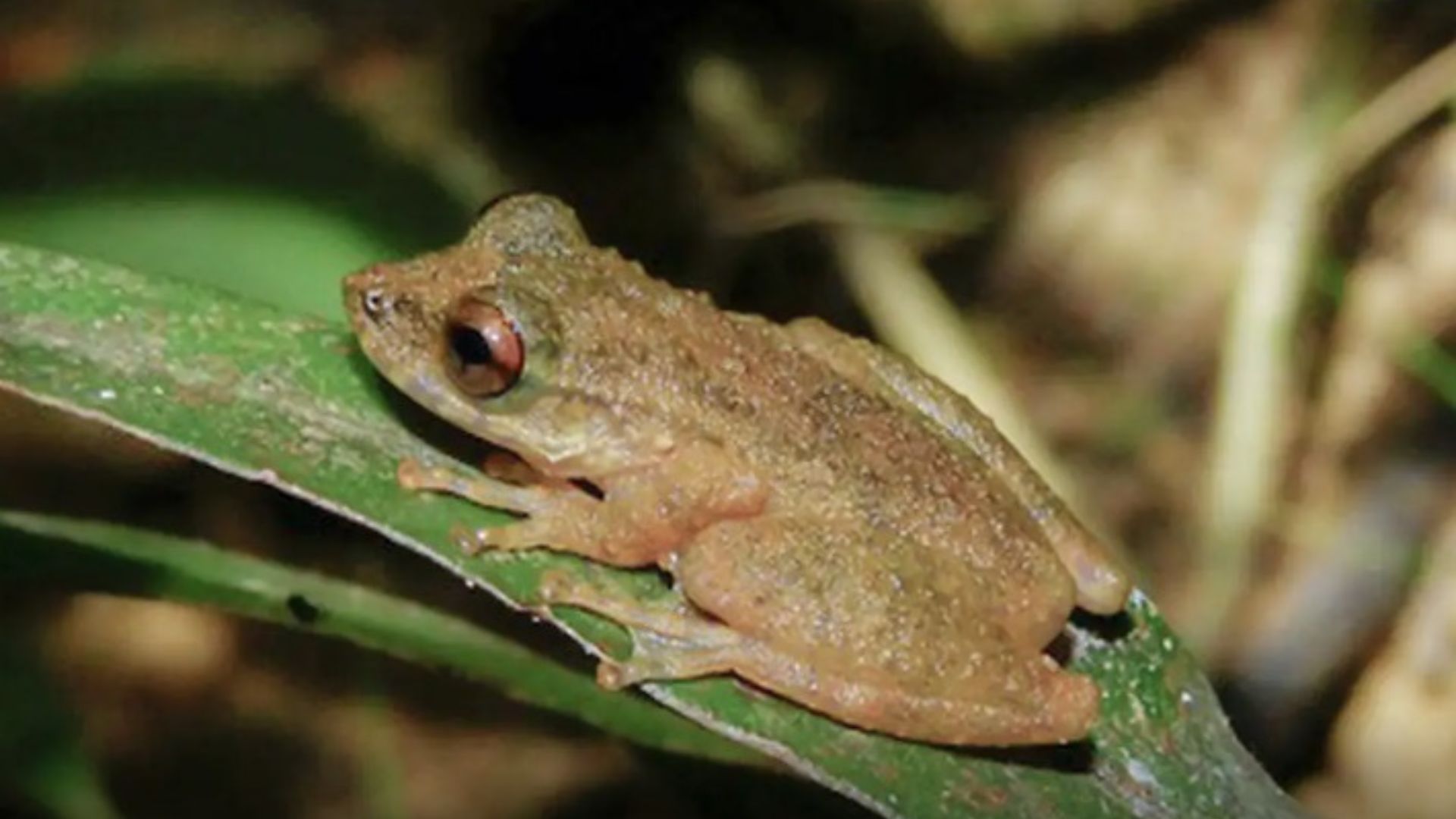


Scientific Research Identifies Ololygon Paracatu in Two Locations in Paracatu and Reinforces the Importance of Preserving the Streams of the Cerrado
The Discovery of a new species of tree frog in the Cerrado region of northwestern Minas Gerais reignites the debate on biodiversity and environmental conservation in Brazil. Named Ololygon paracatu, the species was recorded exclusively in two nearby locations in the municipality of Paracatu, which reveals an extremely restricted distribution. This factor alone places the amphibian in a vulnerable condition.
The information was published in the scientific journal Zootaxa, specialized in animal taxonomy, according to a study conducted by researchers from the University of Brasília (UnB), the Chico Mendes Institute for Biodiversity Conservation (ICMBio), the Federal University of Goiás (UFG), and the Argentine Museum of Natural Sciences. The scientific publication details the methods used and the environmental impacts observed in the region.
Moreover, the discovery broadens the understanding of the endemic amphibians of the Cerrado, one of the richest and most pressured biomes in the country.
-
Green Roofs on Homes Gain Popularity for Reducing Heat, Noise, and Rain Impact in Brazil

-
Brazilian promises his children to save a river, creates an eco-barrier in his backyard, has already removed more than 40 tons of trash from the water, and even inspires the idea in other states of the country.

-
How a Brazilian company created a system that transforms broken pallets of any brand into new assets, recycles 80 tons of plastic per month, and found a profitable solution to a problem that challenges industries across the country.
-
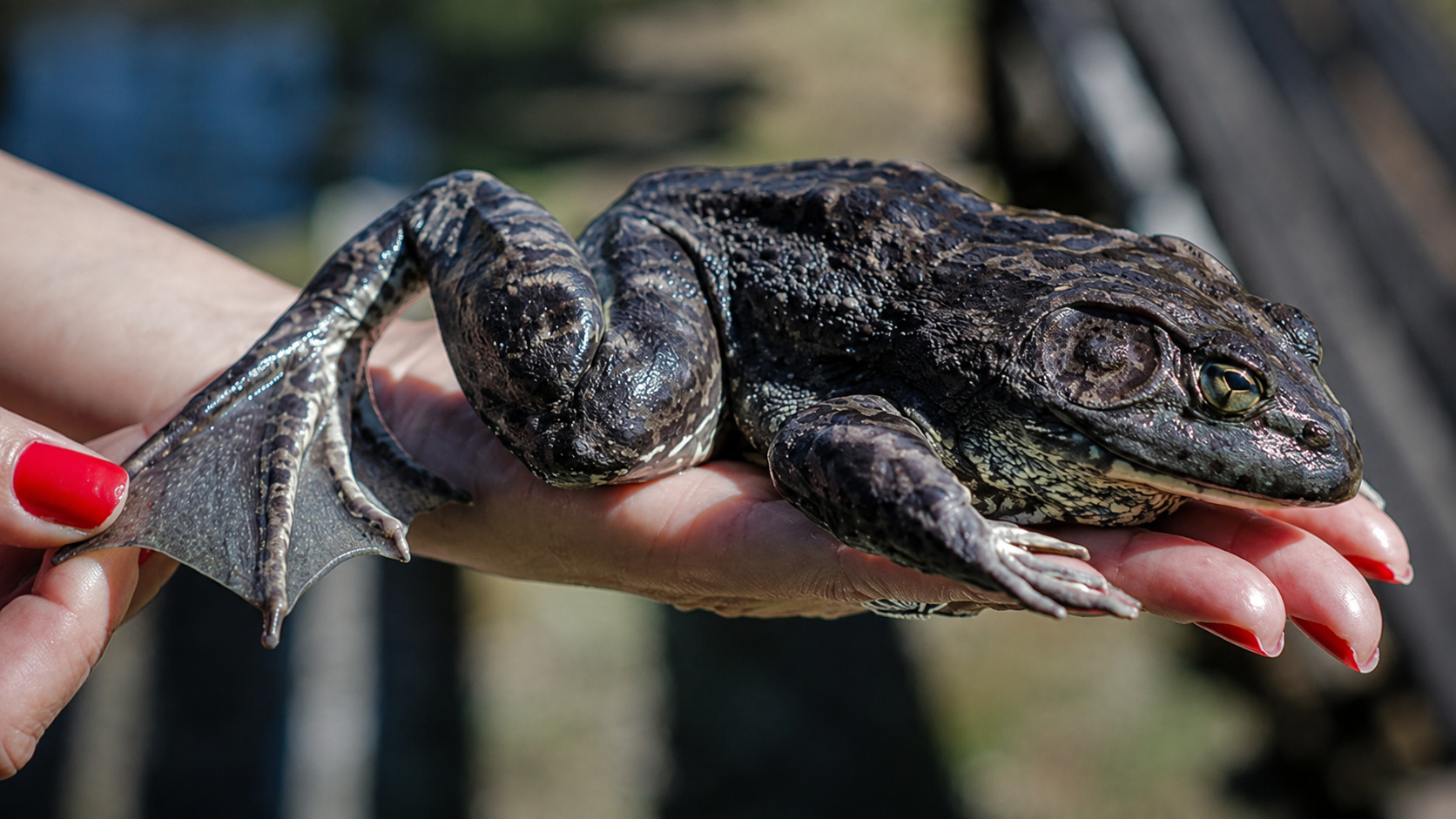
Invasive bullfrog capable of devouring other amphibians and laying up to 20,000 eggs is found in Florianópolis, raising an alert about the threat to native fauna.



How Researchers Identified the New Species Ololygon Paracatu
To confirm that it was a distinct species within the genus Ololygon, the scientists combined different scientific methods. Firstly, they performed detailed genetic analyses. Then, they compared morphological characteristics with other species in the group. Additionally, they recorded and studied the vocalizations of the individuals found. Finally, they consulted already cataloged biological collections.
This robust set of evidence ensured accuracy in identification. As a result, the researchers confirmed that the tree frog exhibits significant morphological, acoustic, and molecular differences compared to other species in the genus.
Biometric data reinforces this distinction. Males measure between 20.4 and 28.2 millimeters, while females range from 29.3 to 35.2 millimeters. Despite its small size, the new species represents a relevant advancement in mapping the fauna of the Cerrado.
Additionally, the discovery marks the eighth species in the genus described in the biome, expanding the inventory of amphibians in the region.
Restricted Habitat Increases Vulnerability in the Minas Gerais Cerrado
Like other species in the genus, Ololygon paracatu lives in gallery forests, forest formations associated with small rivers and fast-flowing streams with rocky beds. This type of environment, while common in the Cerrado, is under intense environmental pressure.
During the fieldwork, the researchers observed clear signs of degradation in part of the streams analyzed. Among the identified impacts are sedimentation and changes in water quality. Consequently, the habitat of the new species already shows signs of fragility.
Since the area of occurrence is extremely limited, any environmental change can directly affect the survival of the tree frog. For this reason, scientists warn of the urgent need to preserve the watercourses in the region.
Homage to the Paracatu River and Warning About the Water Crisis
The species name refers to the Paracatu River, one of the main tributaries of the São Francisco River. The choice, however, goes beyond geographical homage. It also serves as a warning about the water and environmental crisis affecting the basin.
According to Daniele Carvalho, a researcher at the National Research and Conservation Center for Reptiles and Amphibians (RAN-ICMBio) and first author of the study, protecting the streams where the species lives means preserving not only the amphibian but the entire local water system.
Furthermore, Professor Reuber Brandão from UnB emphasizes that the Cerrado has enormous biological richness. However, historically, the biome has received less attention than the Amazon, despite facing severe pressures from human activities.
Lastly, the researchers highlight that describing a new species is not merely an academic achievement. By bringing it to the attention of science and society, a foundation is created for public policies on conservation and environmental protection.
Do you believe that the Cerrado receives the necessary attention and protection in light of scientific discoveries like this?