Portuguese
  Spanish


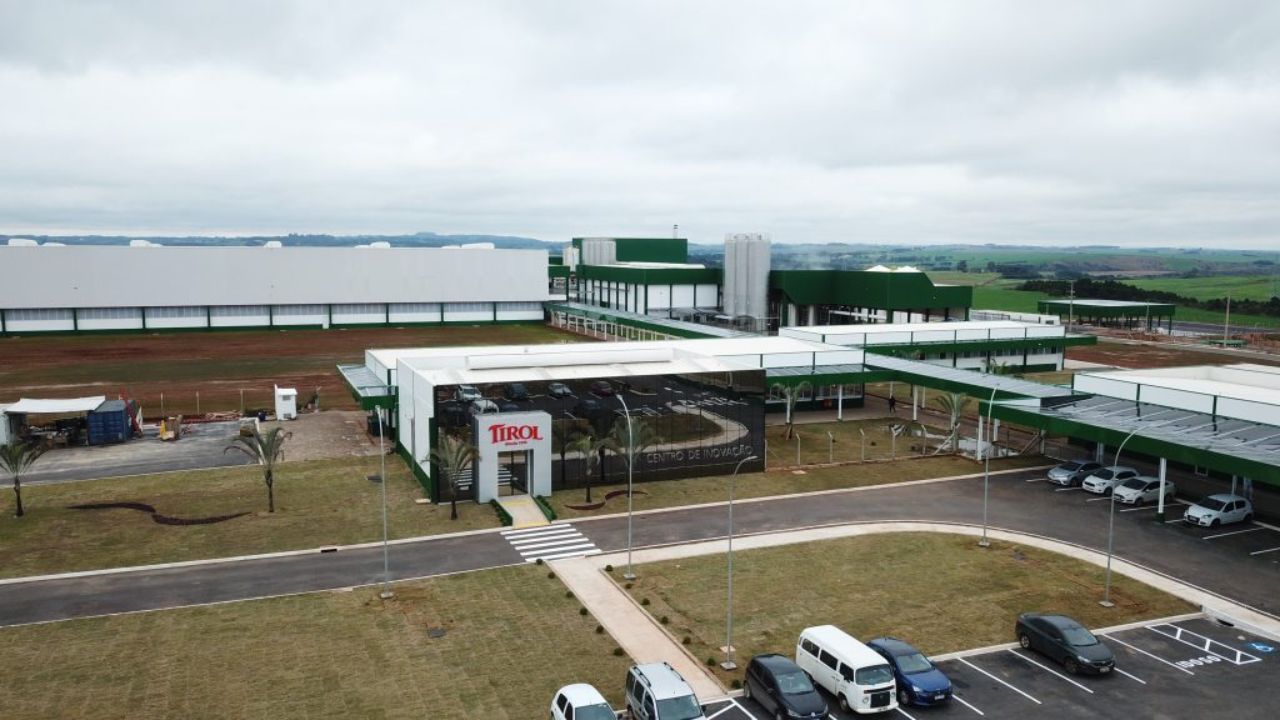

Tirol Will Invest R$ 200 Million in a New Factory in Pinhalzinho (SC), with Capacity to Process One Million Liters of Milk Per Day. Production Is Expected to Start in 2026.
Lacticínios Tirol announced that it will build a new factory focused on powdered milk production in Pinhalzinho, in Western Santa Catarina, with an estimated investment of R$ 200 million.
The venture, announced on October 22, is scheduled to start operations at the end of 2026 and will have the capacity to process one million liters of milk daily.
The project is part of the company’s strategy to expand its industrial operations, strengthen the milk production chain in the region, and stimulate the local economy through job and income generation.
-
Volvo’s New Loaders Feature Obstacle Detection, Automatic Braking, and 360-Degree Operator View

-
Chinese Manager Accused of Whipping Worker Sparks Protest by 1,200 Employees at Major Brazilian Factory

-
France Revamps 530 Social Housing Units with Large Balconies and Glass Facades Without Demolishing Existing Buildings

-
10-Year-Old Max Makes History with Paris Fashion Show, Launches Own Brand, Hires Staff, and Sets World Record as Youngest Runway Designer





Continuous Expansion and Modernization of Industrial Structure
The construction of the new Tirol factory continues a recent cycle of investments.
Several months ago, the company completed an expansion at its Ipiranga (PR) unit, where it allocated R$ 100 million for equipment modernization and product line expansion.
The plant received new technologies for the production of UHT milk and cream, dairy beverages, and adjustments for future launches.
This movement reinforces Tirol’s positioning as a brand that seeks sustainable growth and continuous renewal, keeping up with the demands of a competitive and ever-changing market.
New Tirol Factory: Enhancing Local Production and Strengthening the Dairy Chain
According to Rodnei Guariza, the company’s marketing manager, the installation of the new factory in Pinhalzinho is expected to increase milk collection in the region, benefiting rural producers and stimulating the economic development of Western Santa Catarina.
He emphasizes that the investment is not limited to industrial production but also represents valorization of family farming and strengthening regional partnerships.
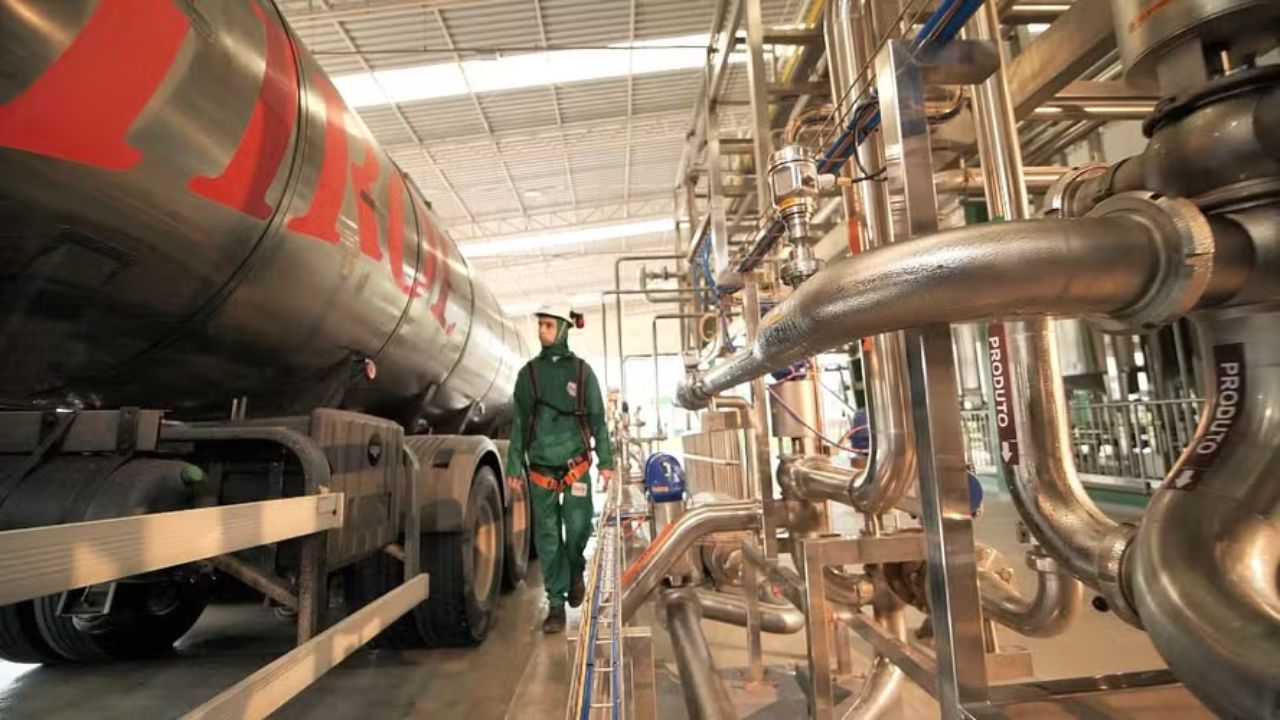
According to the executive, the initiative confirms Tirol’s potential for expansion, as it bets on both the enlargement of its manufacturing units and the launch of new products capable of meeting different consumer profiles.
Tirol: Tradition, Growth, and National Presence
With more than 50 years of history, Tirol was founded in Treze Tílias (SC) and has built a trajectory marked by industrial expansion and logistics.
Today, it has three manufacturing units, collection and distribution centers spread across the southern states, along with strategic partnerships that ensure the presence of its products throughout Brazil.
The brand’s portfolio exceeds 150 items, including categories aimed at daily consumption and special lines.
The company also employs over 1,800 employees, working from milk collection to delivery to the end consumer.
Prospects for the Future Tirol Factory
With the new Tirol factory expected to start operations in 2026, the expectation is that Santa Catarina will further strengthen its position in the national dairy market.
In addition to increasing production, the initiative should stimulate innovation, create jobs, and generate growth opportunities for the entire production chain involved.
The arrival of the new plant reinforces the company’s commitment to regional development and the provision of quality food, maintaining the tradition that marks its history.
Source: Globo Rural