






 Portuguese
  Spanish


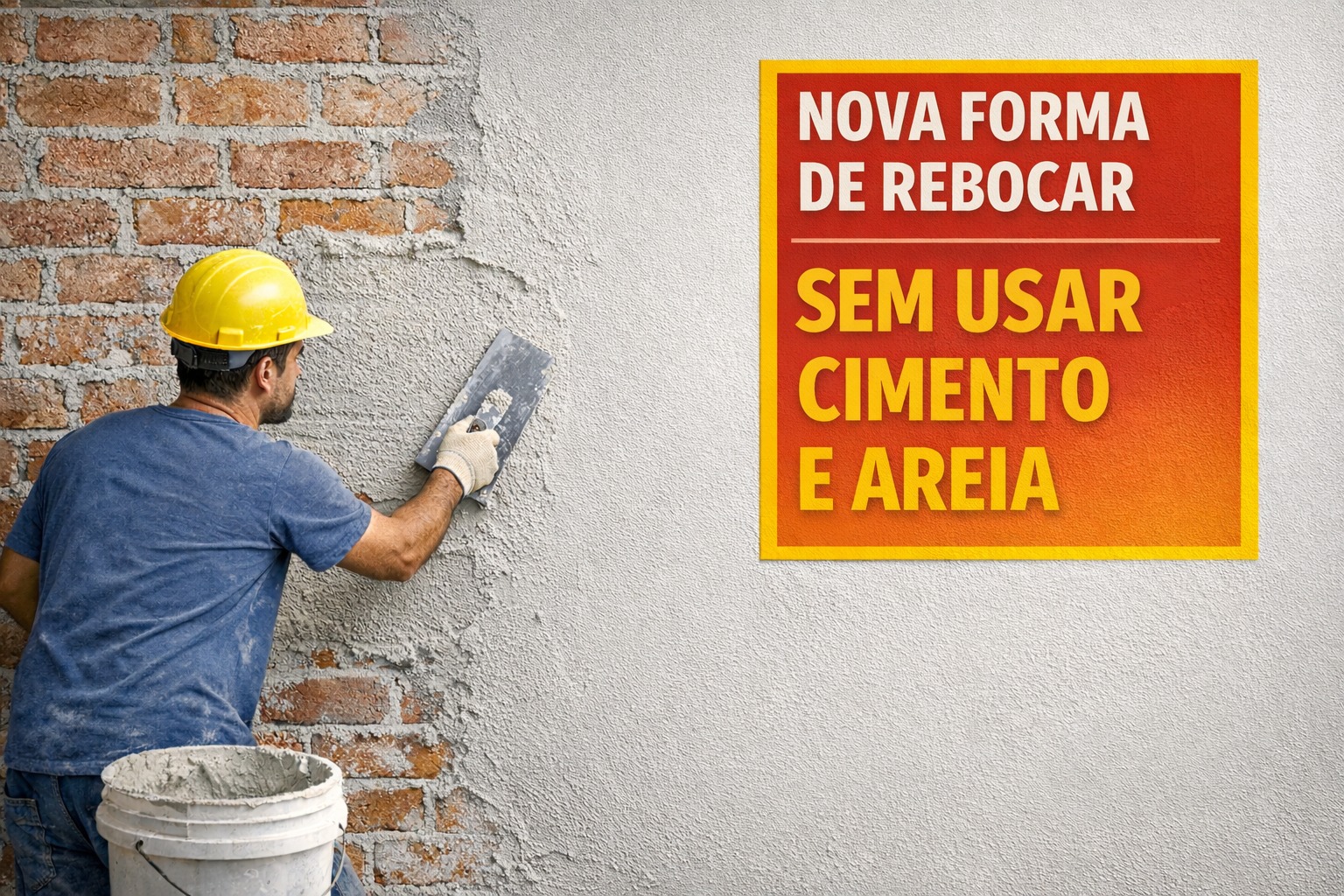


Replace Sand and Cement with Pre-Mixed Mortar for a Plaster Finish, Reduce Waste, and Renew Indoor Environments with an Accessible, Economical, and Practical Technique to Renovate Your Home
Wesley Construção introduced a technique for plastering without sand and cement, using AC2 or AC3 mortar, to transform raw brick walls into smooth, modern surfaces economically and accessibly in residential renovations.
In this method, the traditional combination of sand and cement is replaced by pre-mixed mortar, usually used for laying floors and various coverings.
Finish Similar to Plaster
The fine texture of the mortar is the secret to achieving a smooth, durable surface at a lower cost than other common finishes.
-
MIT Scientists Develop Method to Transform CO₂ into a Construction Ally, Boosting Cement Strength by 13% in 24 Hours for More Sustainable Infrastructure

-
Canadian City Builds 8 Tiny Homes in 72 Hours for Homeless Youth, Plans 40 Affordable Houses for Female-Led Families Amid Housing Crisis

-
45-year-old Brazilian mother of 9 and grandmother of 12 receives 27 m² house made from recycled plastic, built in 15 hours with interlocking blocks and a recycled roof.
-
Ireland Installs 654 Modular Homes to Shelter 2,640 Ukrainian War Refugees, Offering a 60-Year Guarantee and a Model for Future Housing Crises


The mixture is made in small quantities directly in the bucket, which drastically reduces mess, waste, and debris generation.
The preparation begins with a good cleaning to remove mud, loose dust, and poorly adhered plasters with the help of a metal spatula.
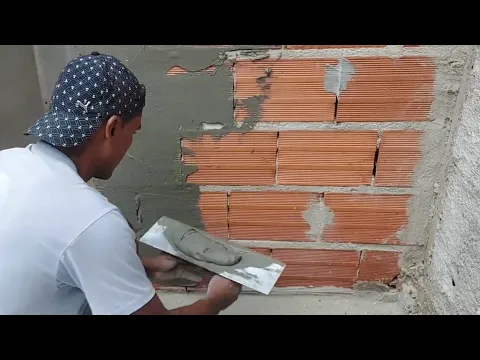

Correct Moistening of the Wall
If the wall is too dry, it is recommended to lightly moisten it without soaking to avoid compromising the adhesion of the mortar during the application of the product.
For the mixture, about 3 kg of mortar is used, adding water gradually until it reaches a creamy and completely homogeneous mass.
The correct consistency facilitates application and helps achieve a uniform finish, preventing the formation of dry lumps during handling.
First Leveling Stage
The application is done in two coats, with the first serving as a base to cover gaps and level unevenness.
Using a trowel or notched tool, the mortar is spread over the bricks, without the need for absolute perfection in this initial stage of the process.
After about 15 minutes of partial drying, the second coat is applied, which is largely responsible for the final finish of the wall.
Refinement of the Smooth Surface
In this phase, the mortar is pulled with smoother movements, filling in gaps and striving to leave the surface flat and visually even.
Some simple precautions increase durability and facilitate future stages, such as painting or applying finishing compound over the plaster.
It is important to choose fine-textured mortar and carefully control the amount of water in the mixture to ensure the quality of the work.
High-adhesion mortar creates a durable layer, helping to protect the brick against light moisture and premature wear of the structure.
Plaster with Mortar: A Practical Solution for Interiors
This is a practical solution for indoor environments that have not yet received a final finish and need a quick and inexpensive visual renewal.
The technique is accessible for beginners, as it does not require heavy equipment or the preparation of large volumes of construction material on site.
With attention to the stages and drying time, anyone can test Wesley Construção’s method in small areas of their home.
The final result offers an appearance similar to plaster, making it ideal for those looking to solve the exposed brick problem with little money.
The method focuses on practicality, ensuring that the mortar becomes the actual finish of the wall instead of lying behind the tiles.
With information from O Antagonista.







Muita propaganda na site, cobre toda a notícia, quando tenta apagar, abre a propaganda….
Isto e uma gambiarra antiga e comum entende usada por pintores…todos conhecem bem por gambiarra medmo
Ele não foi o pioneiro deste método,ja e usado a muito tempo,inclusive mais.por pintores para fazer remendos e ja é usado esta técnica a muito tempo mesmo…mas só dá resultado para reparos fazer a parede toda se esta estiver torta vai ficar tudo torto. O nome desta técnica e gambiarra…e todos os pintores ja fazem um pouco após chegar a argamassa no mercado.