Portuguese
  Spanish


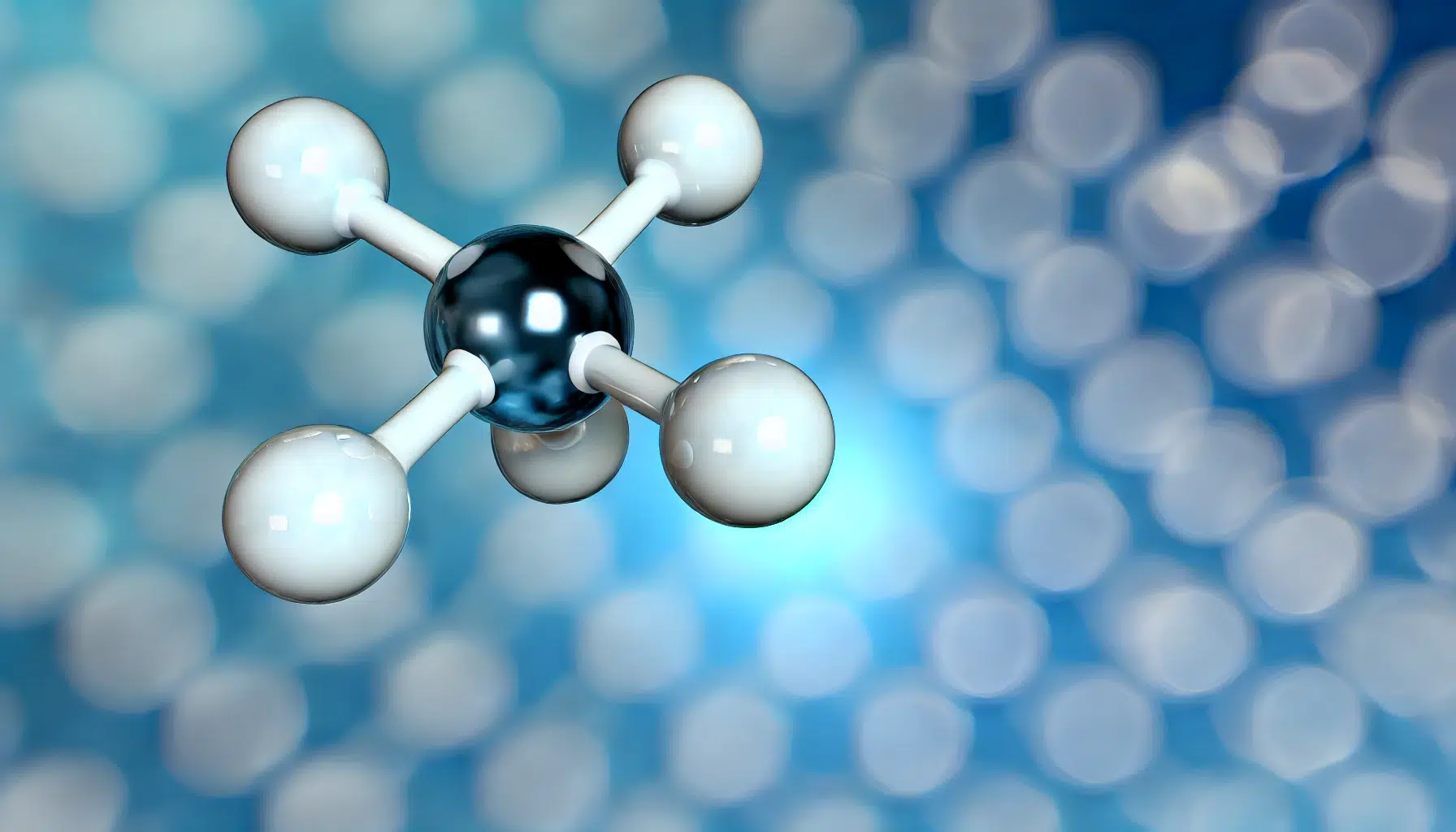


Researchers Developed a Technology Capable of Converting Carbon Dioxide into Methane Fuel, Promising a Sustainable Solution to Reduce Emissions and Generate Energy.
Scientists developed a technology capable of transforming carbon dioxide (CO₂) into methane, a high-energy fuel, using electricity from renewable sources.
This innovation promises to reduce greenhouse gas emissions and provide a more cost-effective solution for capturing carbon.
An Energy Leap
The process uses nickel-based catalysts that directly convert the captured CO₂ into methane, according to chemist Tomaz Neves-Garcia, the lead author of the study and a researcher at Ohio State University.
-
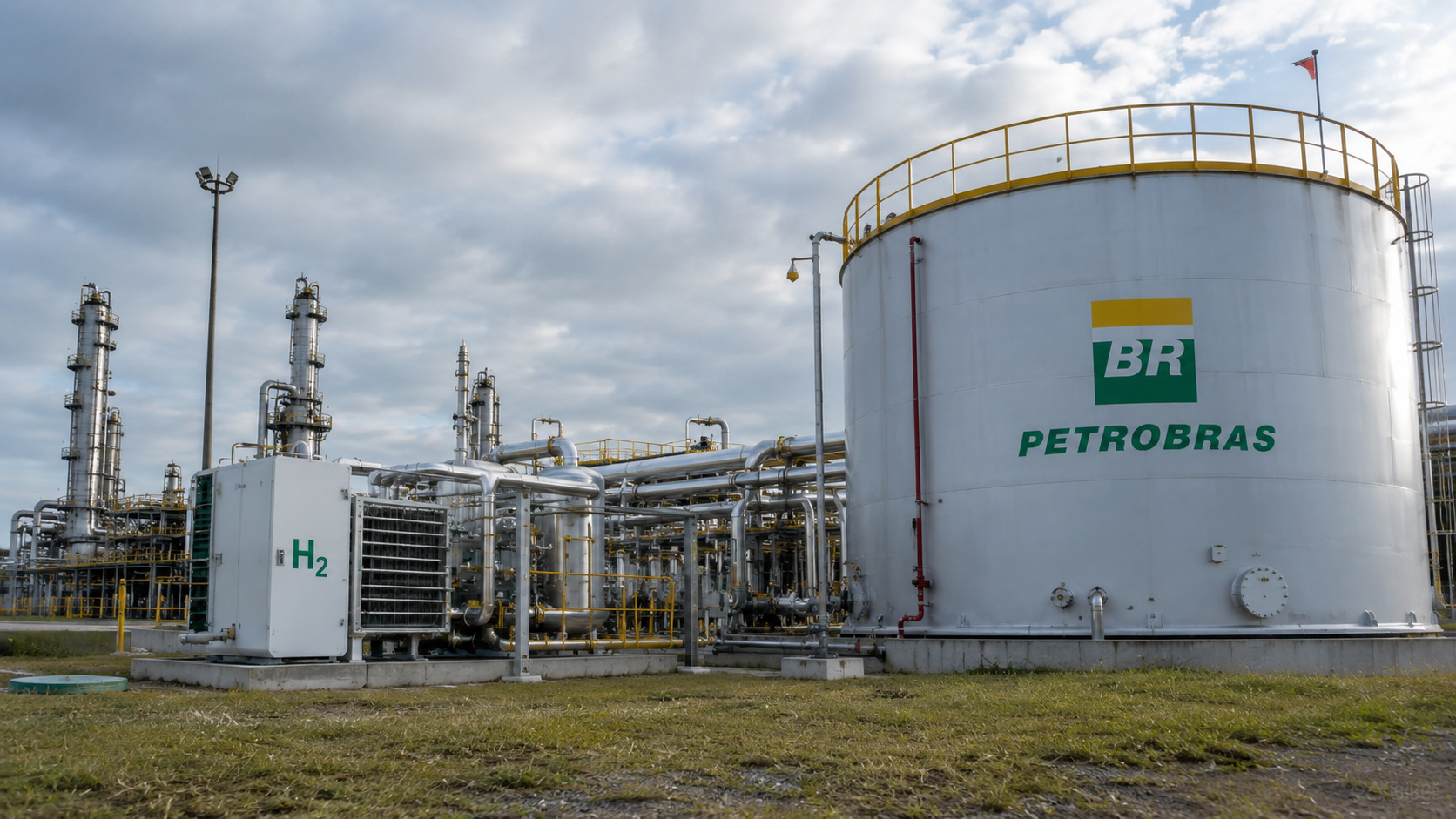
Brazil Aims to Become a Global Exporter of Green Hydrogen, the Clean Fuel Set to Generate Billions

-
Brazil to Hold First Offshore Wind Energy Auction, Aiming to Become the Country’s New Hydropower
-
Brazil to Hold First Auction for Batteries to Store Solar and Wind Energy from the Northeast
-
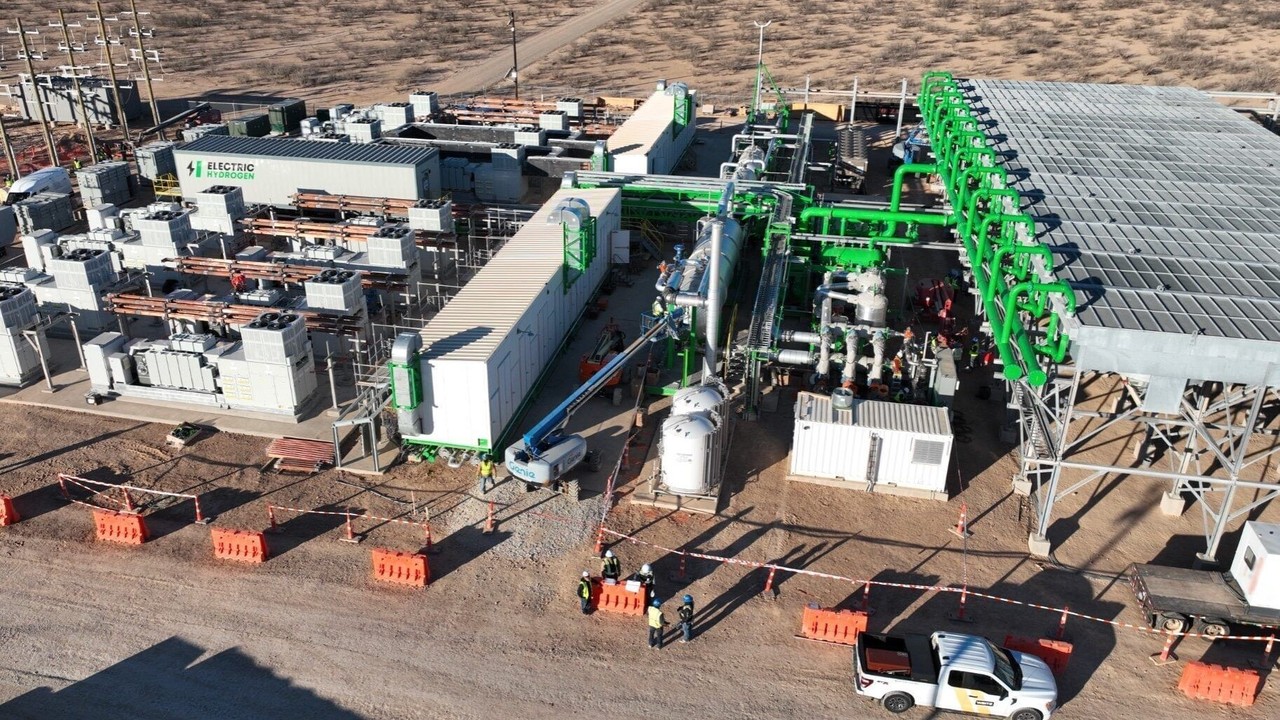
Brazilian scientists are simultaneously advancing two research projects on clean hydrogen and driving solutions that could transform the energy matrix, enhance industrial competitiveness, and accelerate large-scale emission reduction targets.




This approach reduces the energy required compared to traditional methods, which rely on multiple complex steps.
“We are starting from a low-energy molecule and transforming it into a high-energy fuel,” explained Neves-Garcia. He emphasized that the key difference of the method is to perform capture and conversion in a single step, saving energy and simplifying the process.
Closing the Carbon Cycle
The technology has the potential to create a sustainable carbon cycle. When methane is burned, it releases carbon dioxide, which can be captured again and transformed into methane. This continuous recycling could significantly reduce the impact of emissions on global warming.
The novelty also represents the first successful conversion of carbamate, a captured form of CO₂, into methane using electrochemistry. Until now, most research in the field could only convert CO₂ into carbon monoxide.
The Future of Carbon Capture
The study, published in the Journal of the American Chemical Society, paves the way for the creation of new technologies that convert CO₂ into useful products. “Methane is just the beginning,” said Neves-Garcia. “We want to explore other forms of clean energy to inspire even more sustainable solutions.”
With the promise of reducing costs and increasing efficiency, the innovation reinforces the importance of clean technologies to mitigate climate change. According to Neves-Garcia, the goal is to continue advancing strategies that save energy and maximize benefits for the planet.
This research offers hope for a future where carbon capture is not just a viable solution but essential for balancing global energy and environmental demands.