Portuguese
  Spanish


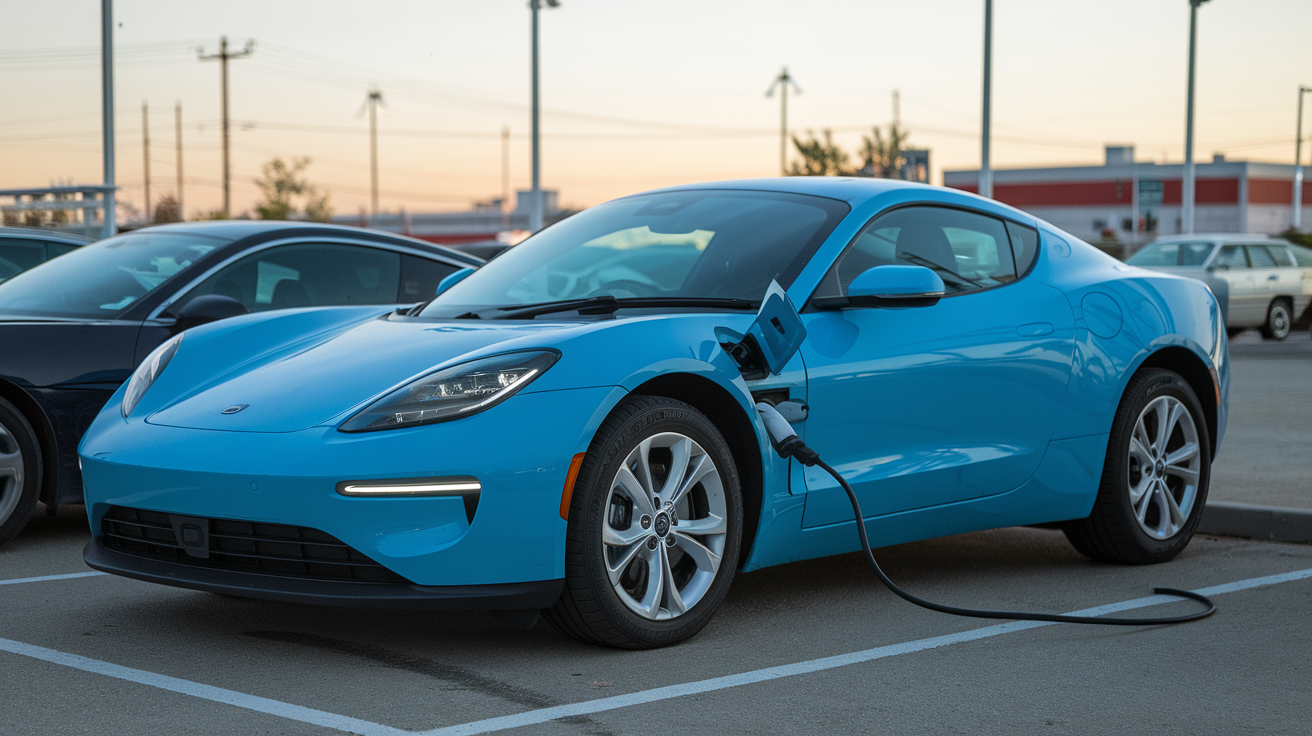


Scientists Develop New Technology That Could Transform The Electric Car Sector, Enabling Ethanol-Powered Vehicles With Greater Range And Reduced Emissions.
In an article published earlier this month in the Journal of Energy Chemistry, researchers from the Center for Innovation in New Energies (CINE) and collaborators warn about the advantages and challenges of a new technology that could bring an ethanol electric car. The fuel cell technology that will deliver an ethanol-powered electric car is MS-SOFCs (Metal-Supported Solid Oxide Fuel Cells).
New Technology For Electric Cars Could Contribute To Sustainability
According to the authors of the study, the new technology, which has attracted attention in the industry and academia over the past 20 years, could aid the energy transition in the automotive sector, especially in countries like Brazil, the United States, Thailand, and India, which have a large production and sale of biofuels.
According to Gustavo Doubek, a professor at the State University of Campinas (Unicamp) and a member of CINE, a Research Center in Engineering (CPE) supported by FAPESP and Shell, the study on new technology for electric cars highlights that MS-SOFCs represent a promising solution for reducing harmful emissions in mobility, potentially serving as an essential alternative for the arrival of an ethanol electric car.
-
Nissan Discontinues Qashqai SUV Amid Cost-Cutting, Chinese Competition, and Product Line Review

-
BYD Patents Revolutionary System Using Computer Vision to Detect Animals Under Cars Before Starting, Preventing Tragedies

-
BMW Completes $1.7 Billion Investment in the U.S. for Electric Vehicle Production, Positions South Carolina for New Generation as Rivals Reassess EV Race
-
BYD’s Dolphin Mini Becomes Electric Vehicle Sensation in Brazil, Surpassing 300,000 Sales with Major Factory and Retail Leadership




The cells combine high efficiency, durability, and fuel flexibility, while also reducing the current limitations of electric batteries, creating a viable path for the energy transition in the automotive sector without the high costs of hydrogen or the limitations of traditional batteries, which take time to charge.
The study on the technology that enables ethanol electric cars is part of a larger effort conducted within CINE, aligned with the search for innovations focused on the decarbonization of the transport sector, including work on new materials and architectures for MS-SOFCs, as well as research on reformers and biofuels.
Advantages Of The New Technology
According to scientists, when compared with other mobility systems, the new technology for electric cars presents a range of advantages. In relation to conventional ethanol cars, those with MS-SOFC have greater energy efficiency.
In other words, the same amount of biofuel yields more range in the ethanol car with fuel cell than in the one with combustion engine. Additionally, electric cars are quieter, reducing noise pollution, and are more comfortable for drivers and passengers.
In relation to battery electric cars, the ethanol electric car stands out for the speed of refueling the tank compared to battery recharging. Another advantage is that it does not overload the electrical grid.
Furthermore, the new technology is capable of generating energy from bioethanol, biogas, biomethane, green ammonia, and even fossil fuels. Thus, in comparison with hydrogen cars, the ethanol electric car wins in practicality.
Ethanol Electric Car Could Bring Positive Change To The Automotive Industry
In an ethanol electric car, the tank is filled with a renewable fuel, such as ethanol, which passes through the reformer, a component responsible for extracting the hydrogen present in the biofuel’s composition.
The hydrogen then goes through the fuel cell, where it is oxidized and, along with the oxygen from the air that is reduced, generates the necessary electrons to charge the batteries and supercapacitors and power the electric motor.
As waste, the process of the new technology generates water, heat, and a small amount of CO2, which is offset by the CO2 consumed by sugarcane during photosynthesis, bringing the net carbon emission to a level close to zero.