






 Portuguese
  Spanish


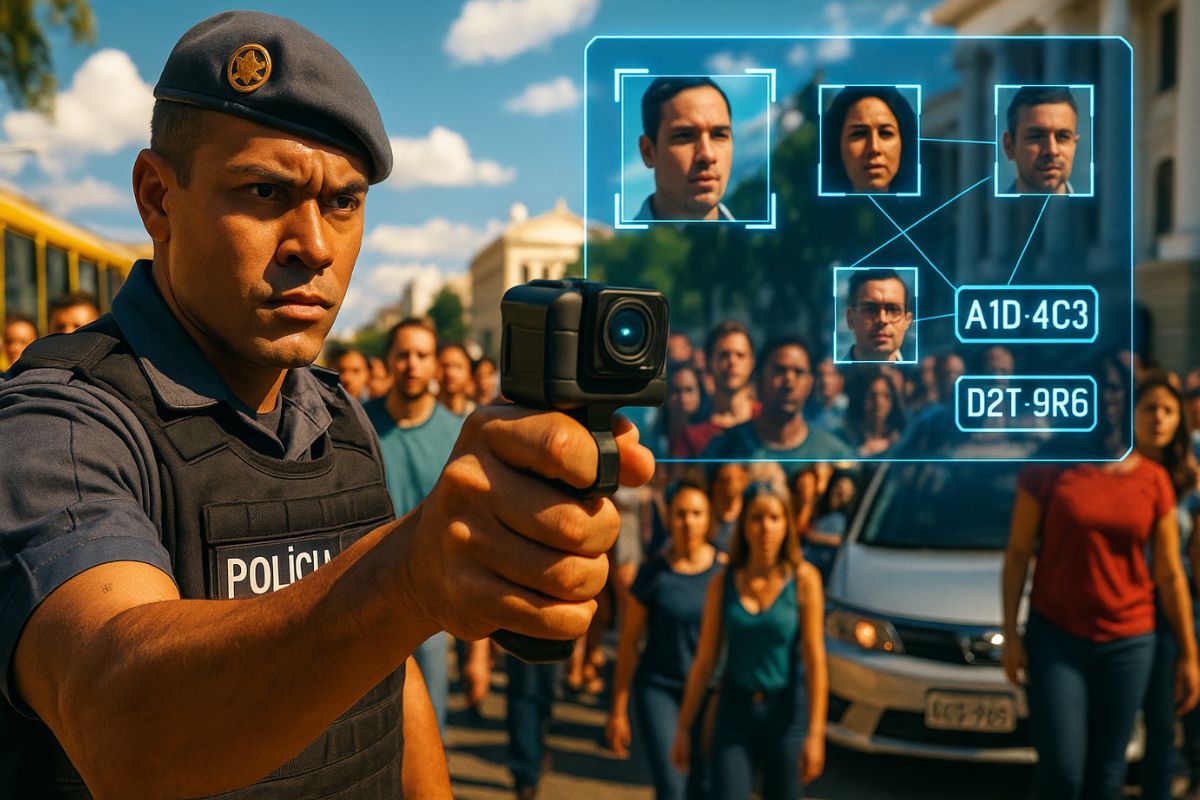
New Body Cameras from PM Will Have Facial Recognition and License Plate Reading. Equipment Will Expand Control Functions and Serve as an Operational Tool for Police on the Streets
The new body cameras from PM in Rio de Janeiro go far beyond recording approaches. According to O Globo, the equipment will have the capacity for facial recognition of suspects and license plate reading, sending real-time alerts to officers.
The bidding for purchase is expected to take place in the second half of 2025 and should cover more than 13 thousand units — a number greater than the current one. The goal is to transform the cameras into an active tool to support police work, and not just a mechanism for oversight.
How the Technology Will Work
According to Major Agdan Fernandes, director of Technology Infrastructure at the Integrated Command and Control Center of PMERJ, the cameras will perform automatic detection of faces and license plates during actions and patrols.
-
In Somaliland’s Desert, Greenhouse Uses Sun and Seawater to Grow Lettuce, Cucumbers, and Tomatoes Without Rain: 1-Hectare Project Cools Crops, Desalinates Water, and Converts Brine into Commercial Salt

-
Trump Unveils $400 Million Boeing 747 Donated by Qatar as Temporary Air Force One Amid Boeing Delays, Sparking Debate on National Security, Costs, and Foreign Influence
-
Chinese Company Unveils Robotic Toilet That Comes to You, Featuring Lidar Sensors, Voice Command, Bidet, Hot Air Drying, UV Light, and Self-Cleaning Waste Disposal
-
Rotterdam Develops Floodable Square to Absorb Nearly 2 Million Liters of Rainwater, Doubling as Sports, Theater, and Leisure Space When Dry to Combat Urban Flooding



If the system identifies a person with an arrest warrant or a vehicle with a theft or robbery registration, the equipment will issue an immediate alert to the officer, increasing response speed and operational safety.
Difference Compared to the Current Model
Today, the PM can already perform facial recognition and license plate reading, but in a limited way and with specific cameras. In the new model, the function will be integrated into all online body cameras, expanding the reach and efficiency of the technology.
This change will ensure that the resource is available to any officer on duty, eliminating the need to direct cases to teams with specialized equipment.
Integration with Vehicles and Other Tools
In addition to the new body cameras, the PM recently acquired 2,839 vehicles equipped with embedded cameras — two external and one internal. These devices also perform facial recognition and license plate reading, continuously recording audio and video.
The goal is to create an integrated surveillance ecosystem, allowing information captured by the vehicles and body cameras to be cross-referenced in real time.
Challenges and Ethical Issues
Experts present at the seminar “Caminhos do Rio” highlighted that the use of technologies like facial recognition and intelligent monitoring requires clear governance and data protection protocols.
Issues such as the risk of false positives, secure storage of images, and restricted use of information raise debates about privacy and civil rights, which will need to be addressed by the corporation and regulatory bodies.
And you, do you think the new body cameras from PM will improve safety or do you fear abuses in the use of technology? Leave your opinion in the comments.





Be the first to react!