Portuguese
  Spanish




The Anatel Decree Will Put an End to a Popular Service That Has Been Offered for Decades by the Operators TIM, Claro and Vivo. This Change Will Directly Affect Several Consumers Who Depend on This Service, Leaving Many Concerned About Future Options for Connectivity and Communication.
The Anatel Has Started a Public Consultation to Definitively Set the Plan for Shutting Down the Signals of One of the Most Popular and Used Services by Consumers. Thus, this Anatel decree will bring an end to the popular service offered by TIM, Claro and Vivo. This concerns the 2G and 3G mobile internet signals, which are becoming obsolete with the advancement of 4G and 5G networks. The information was confirmed by the InfoMoney portal at the end of last year!
Understand How the End of the Popular Service from TIM, Claro and Vivo Will Happen
According to data from InfoMoney, the consultation, conducted by the Superintendence of Grants and Resources of the agency, will be open for 30 days and will involve the entire telecommunications chain, from operators to equipment manufacturers and users.
The end of the popular service offered by TIM, Claro and Vivo with the Anatel decree involves the deactivation of the signals, release of frequencies for new uses, suspension of the approval of new devices that operate these technologies.
-
Scientists Discover 125-Million-Year-Old “Pregnant Fossil” with Preserved Embryos and Microscopic Larvae Inside Mollusk in England

-
17-Year-Old Justin Bernstein Develops Bacteria to Produce Glass on Arctic Ice to Reflect Sunlight, Wins $50,000 U.S. Scholarship

-
The 19-Meter Rocket-Helicopter: A Private Industry Prototype That Challenged Space Race Logic

-
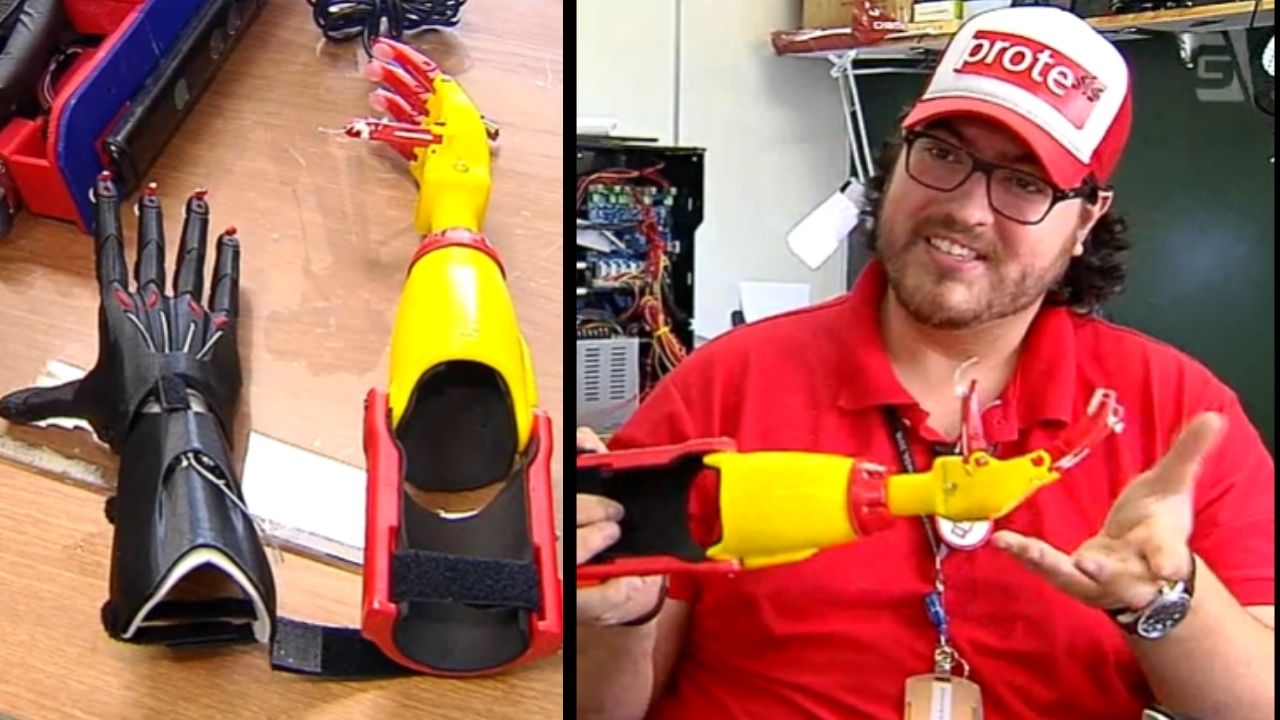
Brazilian Students Convert Seized Illegal TV Boxes into Linux-Powered Mini Computers for Schools and Social Projects Across São Paulo





The president of Anatel, Carlos Baigorri, emphasized the importance of coordinated planning among the parties involved during the futurecom event, highlighting the importance of more efficient use of the radio frequency spectrum with technologies like 4G and 5G.
Baigorri states that he understands that the end of the popular service from TIM, Claro, and Vivo will have broader repercussions, so it is important for the parties to participate in this subsidy-taking process.
Reasons That Led to the End of the Popular Service Offered by TIM, Claro and Vivo
The 2G and 3G networks once had 200 million active lines; however, this number has dropped to less than 20 million, according to Teleco. Currently, 4G is the dominant technology, and 5G, which was recently launched, already has 10 million users. However, the Anatel decree for the end of the popular service from TIM, Claro and Vivo responds to a formal request from Conexis, an association representing the major telecommunications operators in Brazil.
In addition, this transition that brings the end of the popular service offered by TIM, Claro and Vivo is a great opportunity for operators to reduce maintenance costs and improve the use of frequency bands.
In summary, this change marks an important advancement in the modernization of telecommunications in Brazil, with a direct impact on the future of mobile networks and spectrum utilization. It is worth mentioning that, according to the Teletime portal, Vivo is the operator with the most customers in Brazil in 2024, holding 38.8% of the telecommunications market. Claro ranks second with 34%, and TIM is in third place with 23.8%.
6G Technology May Be Close to Launch?
With the Anatel decree that brings an end to the popular service from TIM, Claro and Vivo, it is important to remember that Researchers from University College London conducted a wireless data transmission test at a speed of 938 gigabits per second. The goal of the experiment was to assess the potential of 6G networks in terms of speed in the future.
The record of 9338 Gbps achieved is 9,000 times higher than the average download speed of the current 5G connection in the UK. This transfer rate allows downloading more than 20 average-length movies per second, according to estimates. Currently, 5G networks use frequencies below 6 gigahertz for data transmission. In the experiment conducted by the researchers, a much higher frequency range was used, varying from 5 to 150 gigahertz.