






 Portuguese
  Spanish


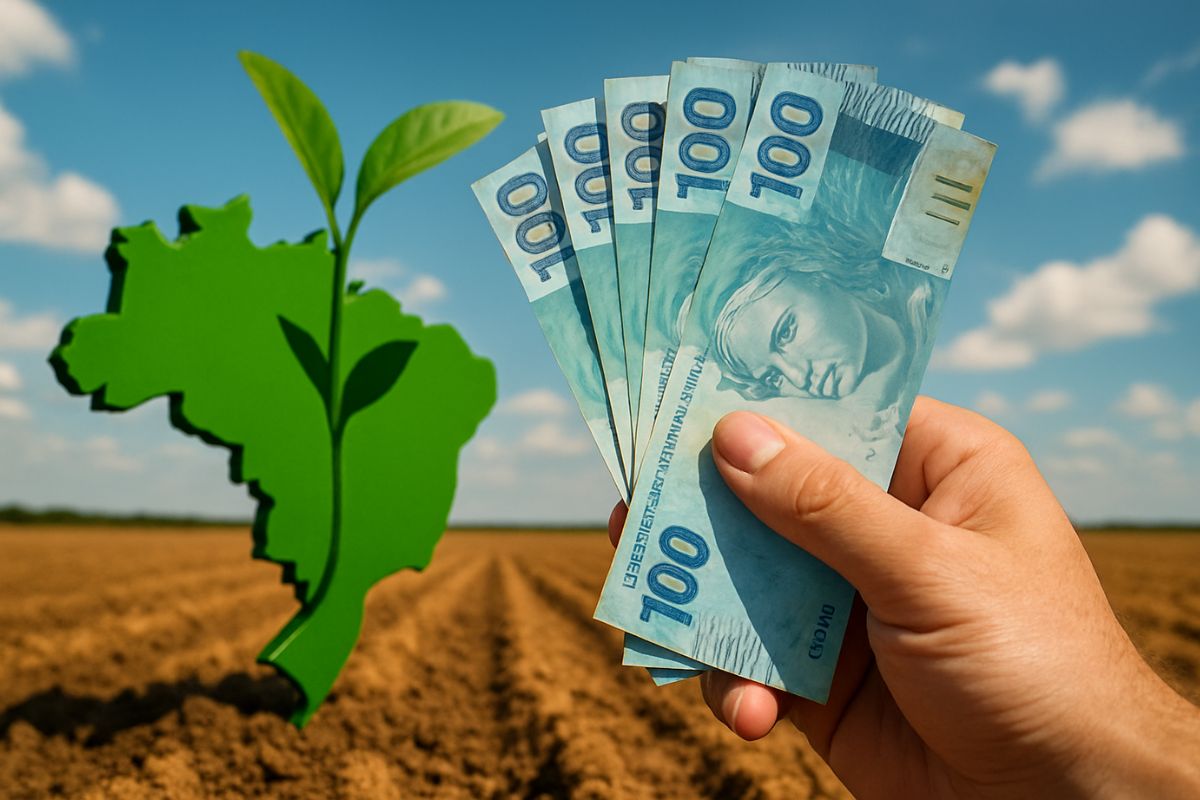


New Investment in Brazilian Agriculture: Safra Plan Releases R$ 516.2 Billion in Credit. Government Launches New Safra Plan with Record Resources for Credit, Modernization, and Sustainability in the Field, Impacting Millions of Rural Producers.
The Federal Government announced a new investment in Brazilian agriculture, releasing R$ 516.2 billion in the 2025/2026 Safra Plan. The measure, highlighted by the FDR portal, aims to expand access to agricultural credit, reduce interest rates, and encourage sustainable practices in the field.
According to the Ministry of Agriculture, the plan is expected to especially benefit small and medium producers, strengthening food production and enhancing international competitiveness. With more resources, lower interest rates, and a focus on innovation, the package is seen as the largest in the history of the sector.
Who Will Benefit from the New Investment in Brazilian Agriculture
The new investment in Brazilian agriculture encompasses different profiles of producers. Family farmers, medium, and large producers will have facilitated access to credit lines. The difference lies in the priority given to small producers, who will be able to modernize their crops, renew machinery, and invest in technology.
-
El Niño may boost corn and soybean harvests in Brazil and Argentina, offering potential relief for global food prices.

-
Japanese Wagyu Gains International Fame for Its Intense Marbling, Tender Cuts, and High Prices in Brazil
-
Brazilian Farmers with Basic Education Create Backyard Machines That Win National Invention Contest, Beating 242 Projects

-
Brazilian Farm Innovates with Cage-Free Chickens, Producing 3,300 Odorless Eggs Daily


Additionally, producers who faced climate losses will have access to more robust agricultural insurance, ensuring stability in the face of crises such as drought and floods. The plan also reinforces rural age retirement programs, securing rights for field workers.
How Much Will Be Allocated to Agricultural Credit
The package totals R$ 516.2 billion in resources, with emphasis on more accessible credit lines. Small and medium producers will have special financing conditions, with reduced interest rates. This is expected to stimulate the purchase of modern equipment and the adoption of sustainable practices.
According to the government, this volume of credit is the largest ever released in a single Safra Plan. The expectation is that the impact will be direct on agricultural productivity and job generation, both in the field and in the export chain.
Where the Resources Will Be Applied
The new investment in Brazilian agriculture will be applied in various areas. A significant portion will go towards machine renewal, financing for seeds and fertilizers, and expanding rural infrastructure. Another key point is the incentive for sustainable practices, such as the rational use of water and energy.
The resources will also cover agricultural insurance programs and financing lines for technological innovation, such as smart irrigation and digital agriculture. The goal is to ensure food security, increase competitiveness, and reduce environmental impacts.
Why This Plan Is Important for Brazil
Agriculture is one of the pillars of the national economy. The new investment in Brazilian agriculture strengthens not only domestic production but also the country’s positioning in the international market.
With greater access to credit, producers can expand productive areas, improve efficiency, and increase exports. This brings foreign exchange to the country, strengthens GDP, and ensures more affordable food for the population. The Safra Plan is seen as essential to keep Brazil among the largest global exporters of agricultural commodities.
Is It Worth It for Producers?
For farmers, the new investment in Brazilian agriculture represents an unprecedented growth opportunity. With lower interest rates and expanded credit, there is room to invest in modernization, reduce production costs, and increase competitiveness.
In the long term, adopting sustainable practices should also yield extra gains, as the international market values low environmental impact products. Thus, in addition to being viable, the new Safra Plan tends to be strategic for those seeking stability and expansion in the rural sector.
The announcement of R$ 516.2 billion in the new investment in Brazilian agriculture reinforces the centrality of the countryside in the national economy. With expanded credit, sustainability, and innovation at the center of the strategy, the Safra Plan is expected to transform the lives of millions of producers.
And you, do you believe that this new investment in Brazilian agriculture will really bring gains for small producers, or will the larger groups be the most benefited? Leave your opinion in the comments — we want to hear the perspective of those who live the daily life in the field.


O plano é de ajudar aos produtores,resta saber como funciona nas instituições financeiras para que o acesso não torne complicado para quem precisa. As taxas de juros baratas e um prazo grande pra que o setor recupere os preços de carnes, frutas, leite, milho, feijão, castanha de caju,cera de carnaúba,mel enfim tudo que se produz. Obrigado e um abraço.