






 Portuguese
  Spanish


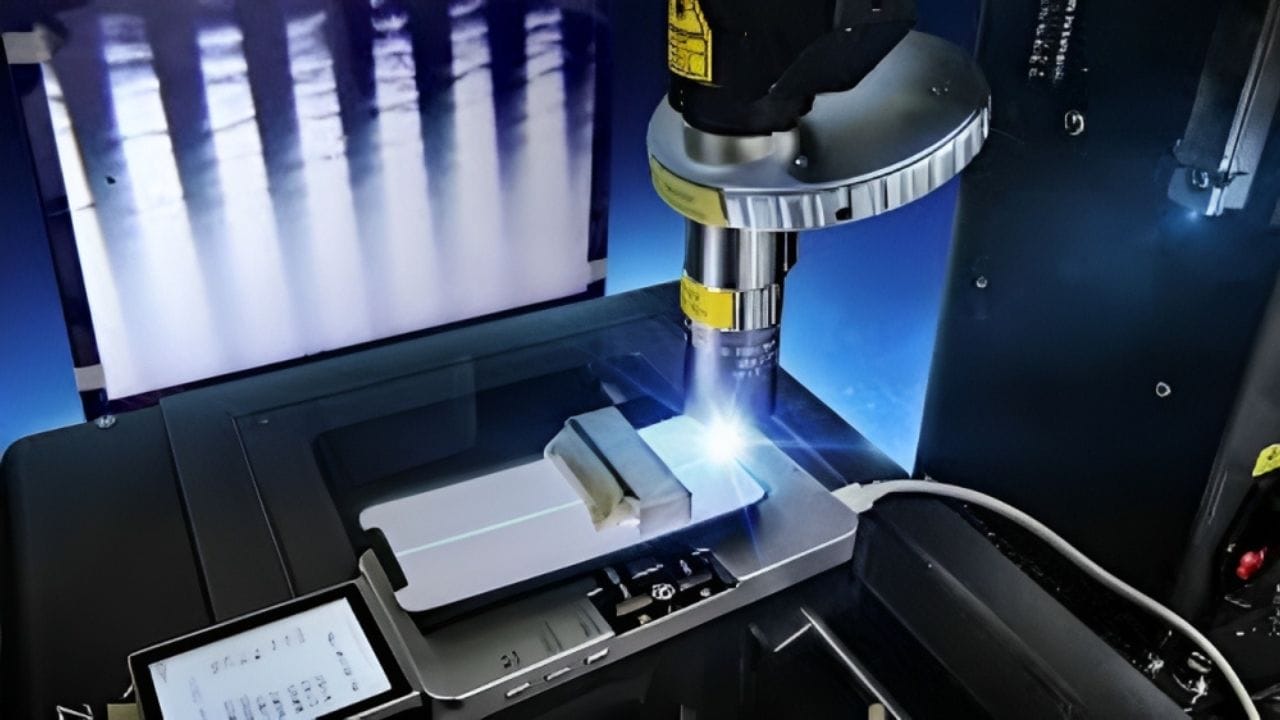

A Technological Innovation Is Causing a Stir in the Smartphone Repair Market, Especially for iPhone Users. A New Machine, Equipped with a Special Laser, Promises to Fix OLED Screens of iPhones That Have Defective Lines.
This technology, considered the future of OLED repair, is a significant advancement over conventional methods. The machine operates with a laser that can penetrate the first layer of the OLED but halts its action at the intermediate layer. This allows technicians to repair broken lines without the need to completely disassemble the iPhone.
The most impressive part is that the entire process is performed with the iPhone screen still on, allowing repairs to be done quickly and efficiently.
This Technology Replicates the Process Used in the Manufacturing of OLED Screens
In production, a similar laser is used to cut a large sheet of OLED into smaller sizes, suitable for devices. The advantages of this new technology are numerous. Firstly, it offers an efficient solution to one of the most common problems in smartphone screens – broken lines on the OLED screen, and recently the iPhone 15 Pro Max broke in durability testing, according to CanalTech.
-
Pennsylvania Mine Creates Ice in Summer Heat and Melts in Winter, Turning a Mountain Crevice into a Reverse Natural Refrigerator

-
China Accelerates Global Expansion of Robotics: From Smart Vacuums to Industrial and Humanoid Machines, Millions Exported to Over 150 Markets
-
Polar Air Mass to Hit Brazil: Temperatures to Plummet in Nine States, Near Freezing in the South with Frost Risk Until Monday
-
Chinese “dark factories” produce electric cars 24/7 with minimal human intervention, as Zeekr assembles 800 units daily, raising concerns in Brazil.





Previously, the only solution to this problem was complete screen replacement, a process that involved high costs and considerable time. Additionally, laser repair is extremely precise, avoiding the need to replace components that are still functioning correctly.
Despite these advantages, there are challenges and important considerations. The cost of the technology is still high, both for acquiring the machine and for the repair service itself. The process requires technical skills and specialized knowledge, which may limit its availability to specific repair centers.
The Impact of This Innovation on the Smartphone Repair Market Is Potentially Huge

It can significantly reduce the cost and time required to repair broken OLED screens. This also has the potential to extend the lifespan of devices, reducing the need for replacement and, consequently, the environmental impact associated with the production and disposal of electronics.
This innovation represents a major advancement in mobile device maintenance, offering an effective and economical solution to one of the most common problems faced by iPhone users, and it is expected that this technology will transform the smartphone repair sector, bringing benefits to both consumers and professionals in the field.






