






 Portuguese
  Spanish


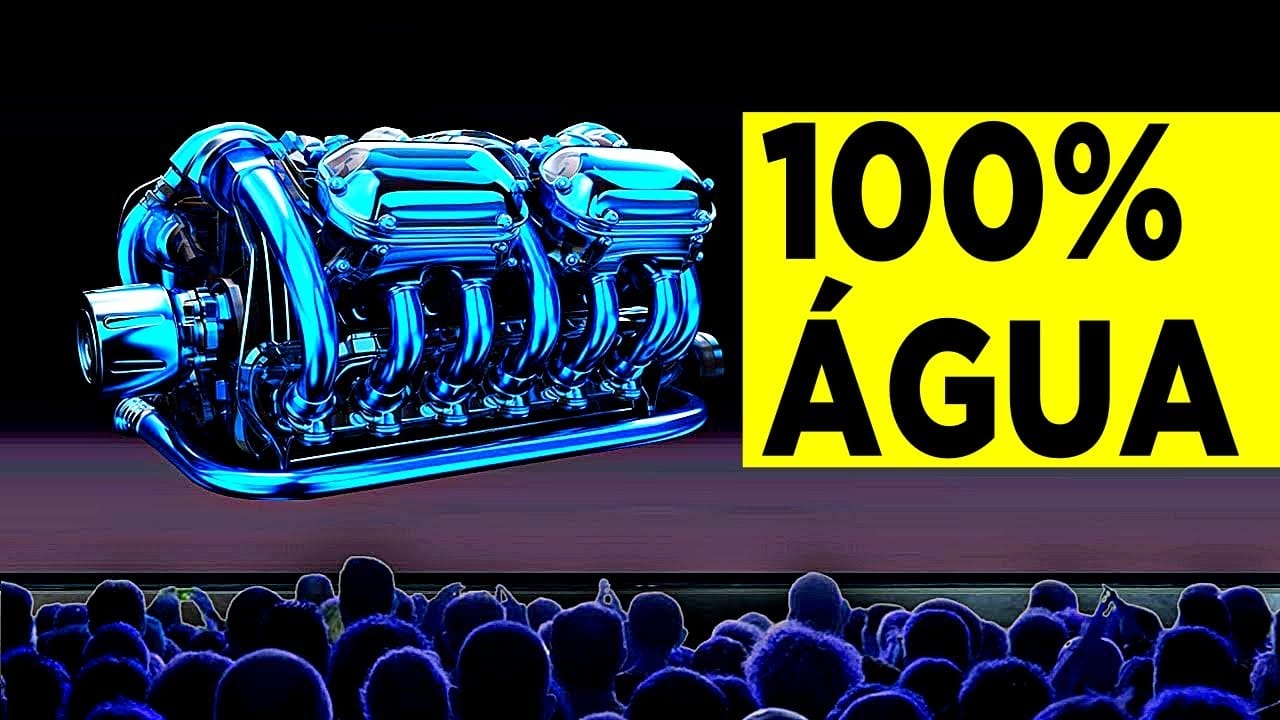

Iranian Scientist Developed A New Water-Powered Engine That Can Run Up To 900 Km On A Single Charge. This Innovation Promises To Have A Thundering Impact On The Global Automotive Industry
The automotive industry is on the brink of a revolution with the development of a water-powered engine that is efficient and suitable for daily use. This innovation poses a threat to both electric vehicles and combustion cars, as it promises to eliminate the high levels of pollution associated with them. With its disruptive potential, this water engine could radically transform the current automotive landscape.
Understand Why This Water-Powered Engine Was Developed Only Now
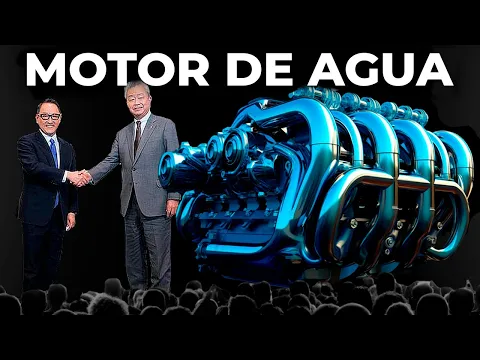

The automotive industry has been working on developing water-powered engines for some time, usually without success, as each attempt has been a complete disaster or simply not efficient enough.
We have had some promising projects; however, most were abandoned for various reasons. The closest we came to a water-powered engine that actually moved beyond the prototype phase were fuel cell vehicles and hydrogen-powered ones. But both options are still inferior to traditional electric and combustion cars, as their technology is still quite rudimentary and inefficient in the long term.
-
British Factory Transitions from Mechanical Parts to Producing 420,000 Electric Power Units Annually, Supplying 70% of Ford’s Electric Cars Sold in Europe

-
Toyota Shifts from Hybrid Cars to Electric Air Taxis with Joby’s 6-Rotor Aircraft, Capable of 322 km/h, Aiming for Mass Production to Electrify Urban Skies

-
Ferrari Unveils Limited Edition 12Cilindri Manuale: 6.5-Liter V12, 830 HP, 0-100 km/h in 2.9 Seconds, Top Speed Over 340 km/h, Only 1,499 Units Available

-
Discover the 2021 Fiat Cronos 1.3: Affordable Maintenance, Reliable Mechanics, and Fuel Efficiency of Up to 15.6 km/l


We are finally on the verge of witnessing a new water-powered engine in the automotive industry. A few years ago, Alaeddin Qassemi, a scientist from Iran, managed to develop a functional prototype. The researcher has been working hard to find an alternative to fossil fuels, and his efforts have recently made a great leap for the automotive industry.
Qassemi claims to have converted a locally produced Peugeot 405, which ran on gasoline, into a water-powered vehicle. According to him, the engine found in this vehicle is highly efficient, reliable, and simple.
Understand How The New Water-Powered Engine Works
According to Qassemi, the energy generated when water is separated into hydrogen and oxygen creates a chemical reaction in the process that provides the energy needed to move the car, working similarly to a hydrogen combustion engine, but without using a highly flammable gas as a propellant.
The hydrogen fuel cell operates through electrolysis in which water molecules split when a voltage is applied to electrodes located in a tank, which has a capacity of 70 liters and is located in place of the rear seats.
When driven economically, the car with the new water-powered engine can cover distances greater than 900 km at a speed of 90 km/h. This means it can consume 6 liters of water every 100 km, making it extremely economical. Therefore, stops for refueling will be few and far between, making it more convenient than electric cars.
Advantages Of The New Water-Powered Engine
Water is actually more powerful than regular gasoline as a fuel source. Just one liter of water can generate up to 96 Megajoules of energy, while gasoline, with the same amount, can only generate 29 MJ. This doesn’t mean that everyone drove super powerful engines, but cars would certainly have enough power to meet the needs of the population.
Moreover, combustion vehicles produce large amounts of pollutants, with carbon dioxide being the main one, while the new water-powered engine developed by the scientist produces only vapor, generating virtually zero pollutants.
Water is considerably cheaper than gasoline or diesel. Although distilled water is more expensive than regular tap water, it still weighs less than regular fuel, making the car as economical as an electric or combustion vehicle. Water-powered engines offer a much higher level of convenience as they can be refueled practically anywhere in a shorter period.
Source: Men’s Health




“Apenas um litro de água pode gerar até 96 Megajoules de energia, enquanto a gasolina ...”.
Texto incompleto. De onde vem a energia para a eletrólise da água, para gerar essa energia?
Amei. Quando teremos carros movidos a água?
Isso já foi desmascarado, é apenas mais um charlatão.