






 Portuguese
  Spanish


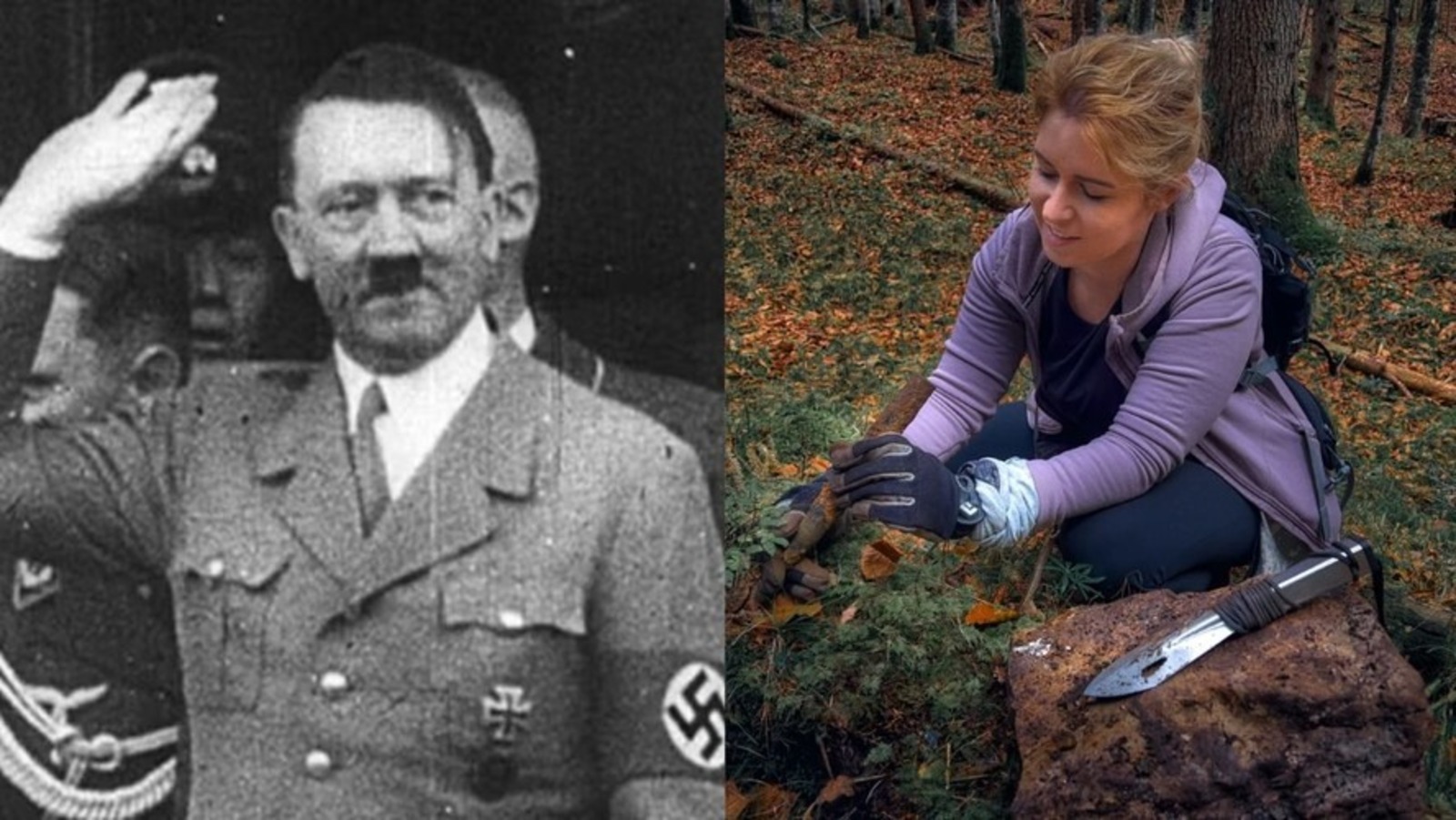
Hitler’s Lost Treasure Still Sparks Fascination And Mystery: Tons Of Nazi Gold May Have Been Buried In The Bavarian Mountains, And Modern Hunters Believe That Part Of The Billion-Dollar Fortune Is Still Hidden
In the final days of the Third Reich, Germany was plunged into chaos and destruction, but the Nazi regime was still trying to protect its fortune. The treasure, consisting of tons of gold and foreign coins, was hastily transported to the Bavarian mountains in an attempt to escape the advancing Allied forces.
Valued today at billions of dollars, the treasure included bars, coins, and large sums in various international currencies.
Part of this gold is said to have been buried near Walchensee Lake, a remote area surrounded by forests.
-
Woman Turns Apartment into Storage with 158 Pairs of Shoes and 140 Pants, Accumulating $47,000 Debt Due to Compulsive Buying

-
Defying Medical Odds for 65 Years, 72-Year-Old Brazilian Acarajé Vendor Continues Family Legacy

-
Brazil’s Most Famous Fish Travels Over 600 km Against the Current, Overcomes Dams with Eco-Friendly Ladders, and Navigates Flooded Rivers in a Remarkable Migration for Reproduction
-
Revive Old Photos: Gemini’s Little-Known Feature Uses AI to Restore Damaged Images in Seconds with a Professional Six-Step Recovery Process



Only fragments of this loot surfaced after the end of the war. The story was detailed by historians Ian Sayer and Douglas Botting in the book Nazi Gold.
The Secret Operation In The Mountains
In April 1945, the Allied forces had already seized about 93% of the Reich’s gold, found in a salt mine in Thuringia.
However, a significant amount remained. With Berlin about to fall, Adolf Hitler authorized that the rest be sent south in a last-ditch effort to save the final symbol of his power.
Trucks and trains crossed a devastated country to Munich. There, Nazi officials were already acting without clear orders.
The shipment then proceeded to Mittenwald and then to Einsiedl, on the shores of Walchensee.
According to records, about thirteen tons of gold and other valuables were stacked in an old military field.
Hideouts And Disappearances
On the night of April 26, the gold was divided into smaller lots and buried in the mountainous region of Steinriegl.
A few days later, the locations of the holes were altered, making the treasure map even more confusing.
The American troops managed to recover only part of the loot, and to this day there are no accurate records of the original total.
Historian Ian Sayer acknowledges that large sums “slipped through the Allies’ fingers.” There are rumors that millions of dollars were smuggled to Switzerland.
In addition, residents of the Garmisch-Partenkirchen area began displaying luxury cars shortly after the war, raising suspicions about the fate of part of the fortune.
The New Generation Of Hunters
Cornelia Ostler, a 40-year-old German, believes that the remaining gold is still buried in Bavaria. She told The Sun that her quest started with her father, Reinhold Ostler, also a treasure hunter.
“When I’m searching, I feel very close to him,” she said. Recently, she found a Nazi badge dated 1934, considered a promising clue.
Sayer, who recovered two missing gold bars in the 1990s, believes that there are still untouched hideouts.
“If someone dies, is captured, or simply forgets the location, the gold remains there,” he stated. For Cornelia, the mystery is closer to being solved than ever.
The Inventory Of The Treasure
According to Nazi Gold, the original haul included 364 bags containing 728 gold bars, dozens of boxes of coins, as well as millions in dollars, pounds, francs, and crowns from various countries.
A monumental legacy that, eighty years later, may still be hidden beneath the frozen soil of the Bavarian mountains — waiting to be discovered.
With information from O Globo.





Be the first to react!