






 Portuguese
  Spanish


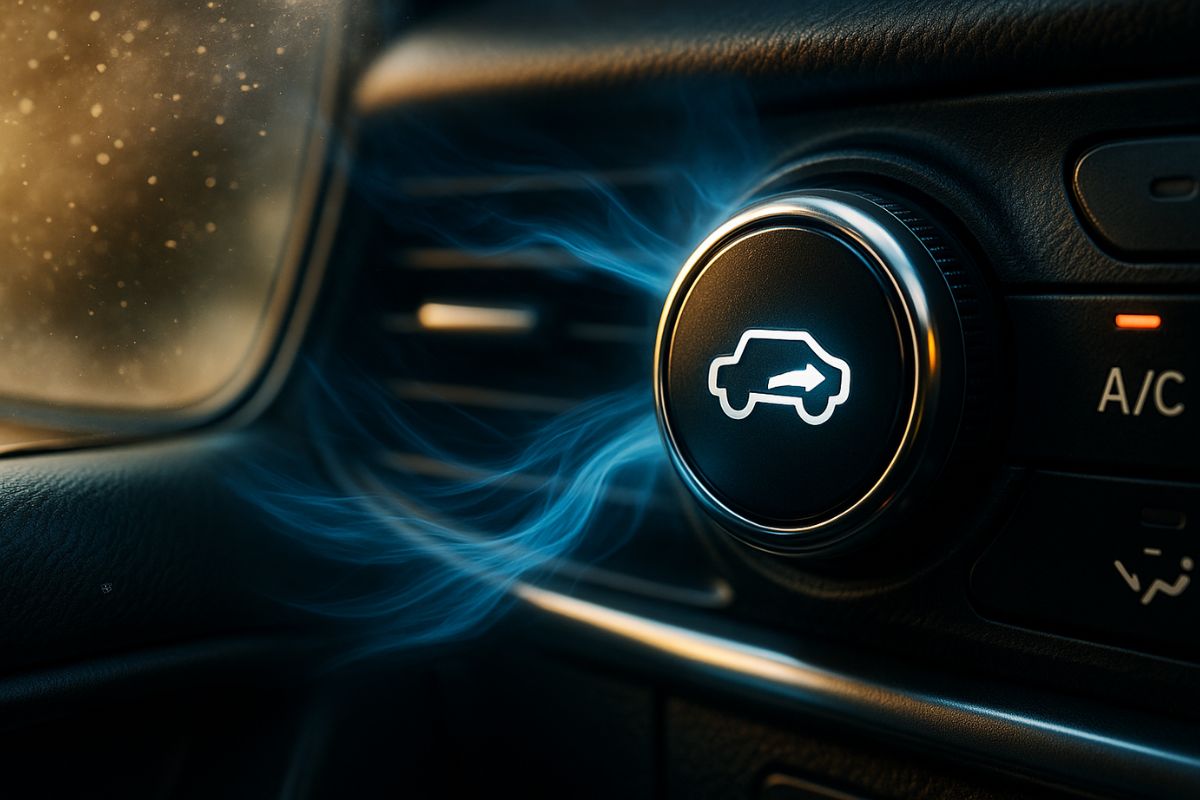


According to O Antagonista, the recirculation button has functions that go beyond cooling: it protects health, prevents fogging, and reduces costs for the driver
The recirculation button is one of the most underrated features on vehicle dashboards, but its function goes far beyond simple thermal comfort. According to a report published by O Antagonista, its proper use can save energy, protect the health of occupants, and extend the lifespan of the air conditioning system.
This discovery draws attention because it shows that an apparently simple function directly impacts safety, finances, and the quality of the air breathed inside the car, especially in large Brazilian cities, where pollution is a daily challenge for drivers and passengers.
How Does the Recirculation Button Work?
The vehicle’s air conditioning system can operate in two ways: pulling in outside air or reusing the already conditioned air from the cabin.
-
British Factory Transitions from Mechanical Parts to Producing 420,000 Electric Power Units Annually, Supplying 70% of Ford’s Electric Cars Sold in Europe

-
Toyota Shifts from Hybrid Cars to Electric Air Taxis with Joby’s 6-Rotor Aircraft, Capable of 322 km/h, Aiming for Mass Production to Electrify Urban Skies

-
Ferrari Unveils Limited Edition 12Cilindri Manuale: 6.5-Liter V12, 830 HP, 0-100 km/h in 2.9 Seconds, Top Speed Over 340 km/h, Only 1,499 Units Available

-
Discover the 2021 Fiat Cronos 1.3: Affordable Maintenance, Reliable Mechanics, and Fuel Efficiency of Up to 15.6 km/l


When the recirculation button is activated, the internal air is reused, reducing the mechanical effort of the system and preventing the entry of smoke, dust, and harmful particles from the outside.
This mechanism provides two immediate advantages: it improves the quality of the air inside the vehicle and reduces the wear on the air conditioning system, which means less need for maintenance and a longer lifespan for the equipment.
When to Use in Summer and Winter?
The correct use depends on the season and weather conditions.
In summer, especially when the car is exposed to the sun, the recommendation is to open the windows for a few minutes before activating the recirculation, speeding up the initial cooling of the cabin.
After that, the button should remain on to ensure greater efficiency.
In winter, however, the situation changes.
Excess humidity generated by recirculation can fog up the windows, impairing visibility.
In these cases, it is best to turn off the function and allow fresh air in, balancing climate control with safety on the road.
What Are the Direct Benefits for the Driver?
According to specialists consulted by O Antagonista, activating the recirculation button brings practical gains that go beyond comfort:
Fuel or Battery Savings: the air conditioning cools faster and consumes less energy, whether in combustion or electric vehicles.
Health Protection: in polluted cities, the system prevents the entry of toxic gases and fine dust.
System Durability: the equipment works with less effort, which increases its lifespan and reduces the need for expensive repairs.
These benefits are even more evident in regions with extreme climates, where the air conditioning needs to work intensively throughout the year.
Why Is This Important for Brazil?
In large urban centers like São Paulo, Rio de Janeiro, and Belo Horizonte, atmospheric pollution is a risk factor for respiratory diseases.
Using the recirculation button in these contexts means less exposure to harmful particles, such as those emitted by buses and trucks in congested corridors.
In times of expensive fuel and the search for greater autonomy in electric vehicles, every reduction in air conditioning effort represents real savings for the driver.
Is It Worth Using Always?
The answer is no.
Although the recirculation button brings important advantages, continuous use without evaluation can cause problems, such as excess humidity and unpleasant odors inside the vehicle.
Balance is essential: activate in summer and in polluted environments, turn off in winter to avoid fogging.
In summary, this small feature on the dashboard is a direct ally of savings, health, and safety.
More than a technical detail, it shows that knowing your car’s equipment well can yield concrete benefits for drivers and passengers.
And you, do you use the recirculation button in your car strategically? Do you think it makes a difference in consumption and air quality? Share your opinion in the comments — we want to hear from those who experience this in practice.








Já usei e descobri graças a deus atrmpo de calzar um acidente que ele tbm com o carro cheio e rodando na estrada ( ele calza SONOLÊNCIA) graças Deus ele colocou uma pessoa que me alertou dobre isso pq eu não aguentava andar 80 km com o ar circulando só dentro do carro
que reportagem mal feita, até no manual de todo carro alerta pra usar a recirculação por pouco tempo pois traz diversos riscos.
Recirculação?! E eu fico respirando CO2 gelado dentro do carro!! Tô fora !!