






 Portuguese
  Spanish


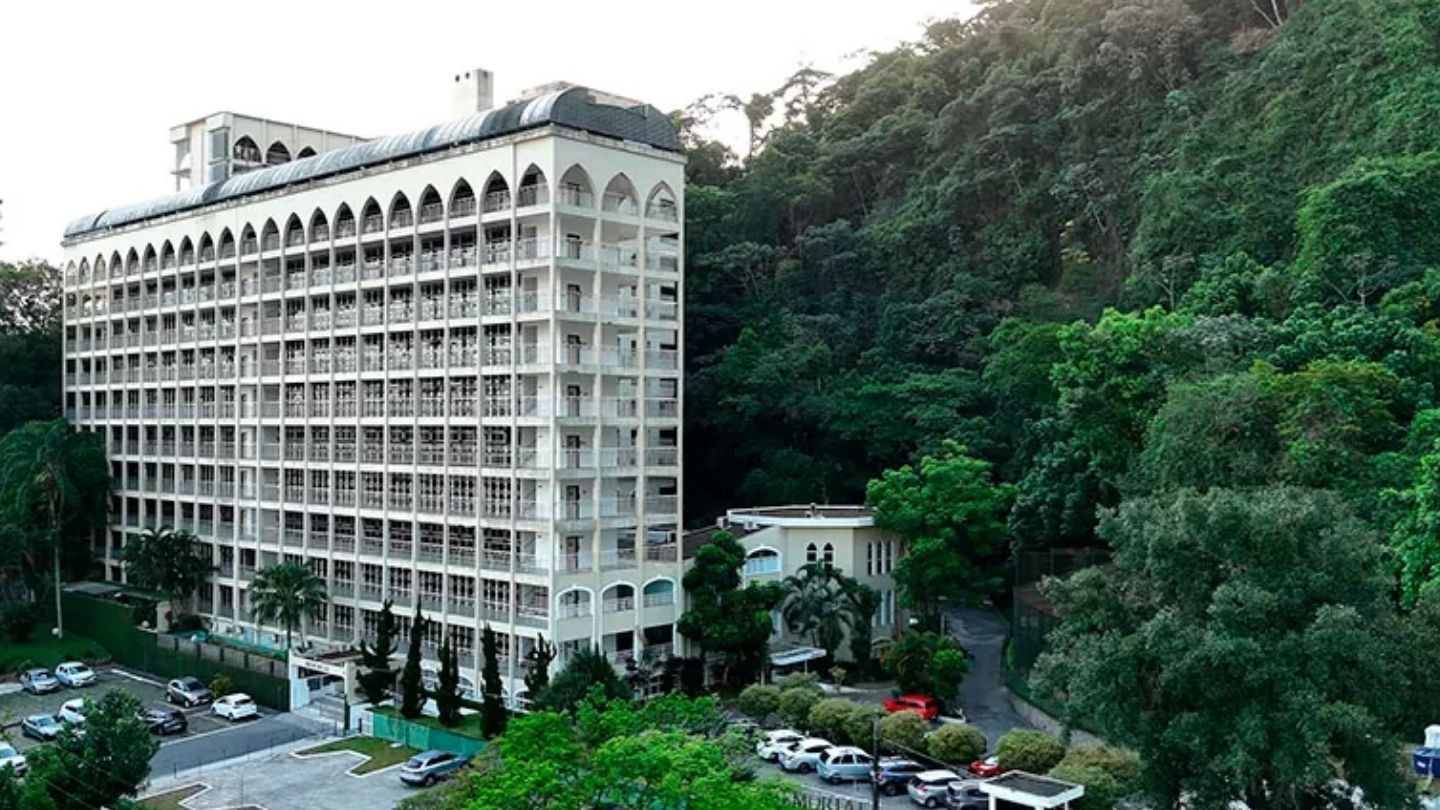


Inaugurated in 1991, the Ecumenical Necropolis Memorial, located in Santos, is recognized worldwide for its innovative concept of vertical burial and houses thousands of stories and tributes across its 14 floors.
The Ecumenical Necropolis Memorial, located in Santos, São Paulo coast, occupies a unique position on the international scene as it is recognized by the Guinness World Records as the tallest vertical cemetery on the planet.
Inaugurated in 1991, the 14-story building broke paradigms by transforming the way burial is conducted in Brazil, especially in densely populated urban areas.
The concept, previously unheard of in the country, arose as a direct response to the scarcity of space for conventional graves in the region, a growing challenge in major Brazilian urban centers.
-
7.1 Magnitude Earthquake in Venezuela Shakes Buildings in the Brazilian Amazon: Residents Report Panic as Civil Defense Monitors Aftershocks Far from Epicenter in Morón

-
São Paulo Beach Ranked Among World’s Best, But Access Requires Challenging Hike

-
Brazilian TV Host Disguised as Homeless in São Paulo’s Drug District Recognized and Nearly Attacked During Filming
-
10-Year-Old Brazilian Girl Develops Method to Analyze Colonial Counterfeit Coins, Published in Science Magazine for Children



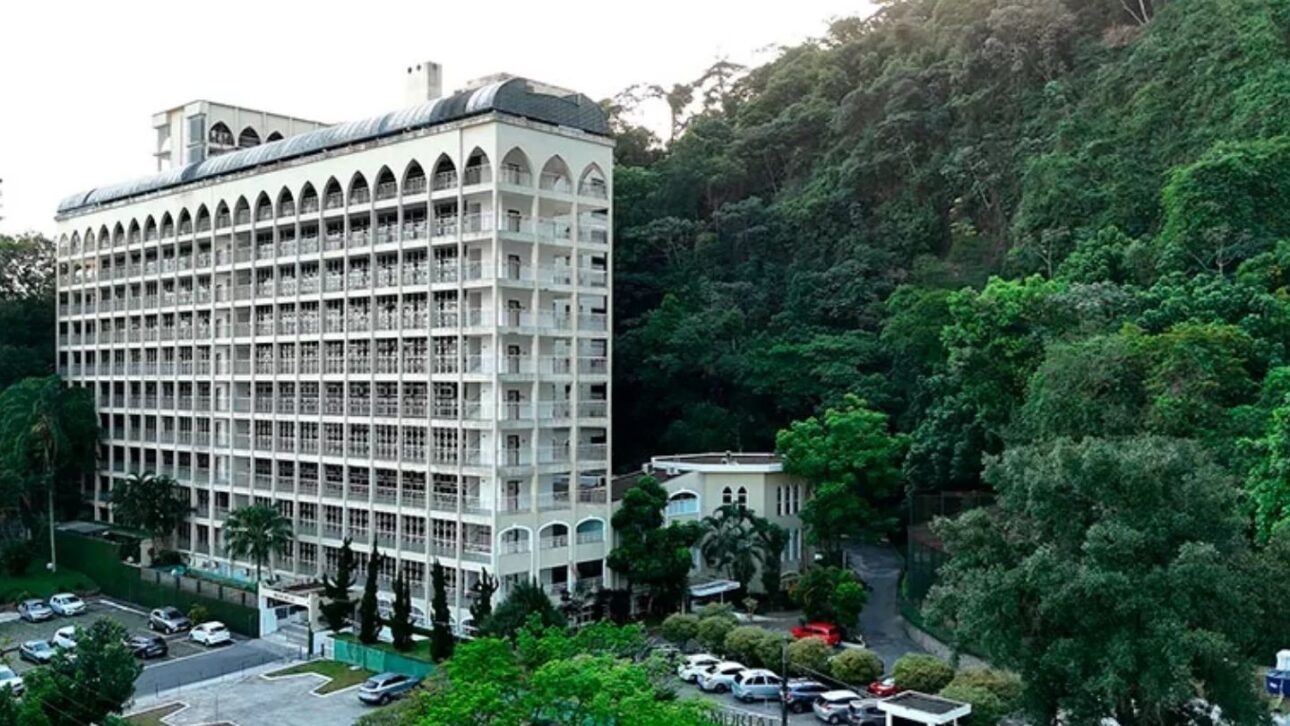
Tallest Vertical Cemetery on the Planet Revolutionizes the Funeral Sector
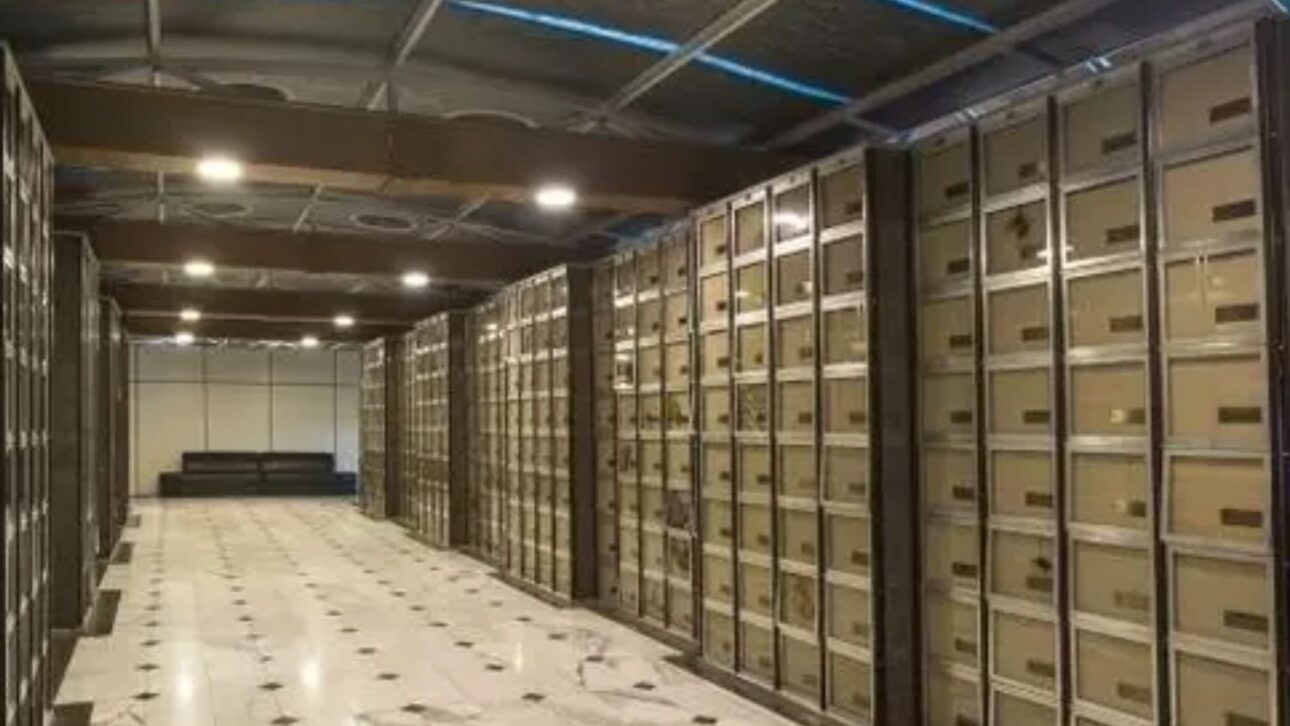
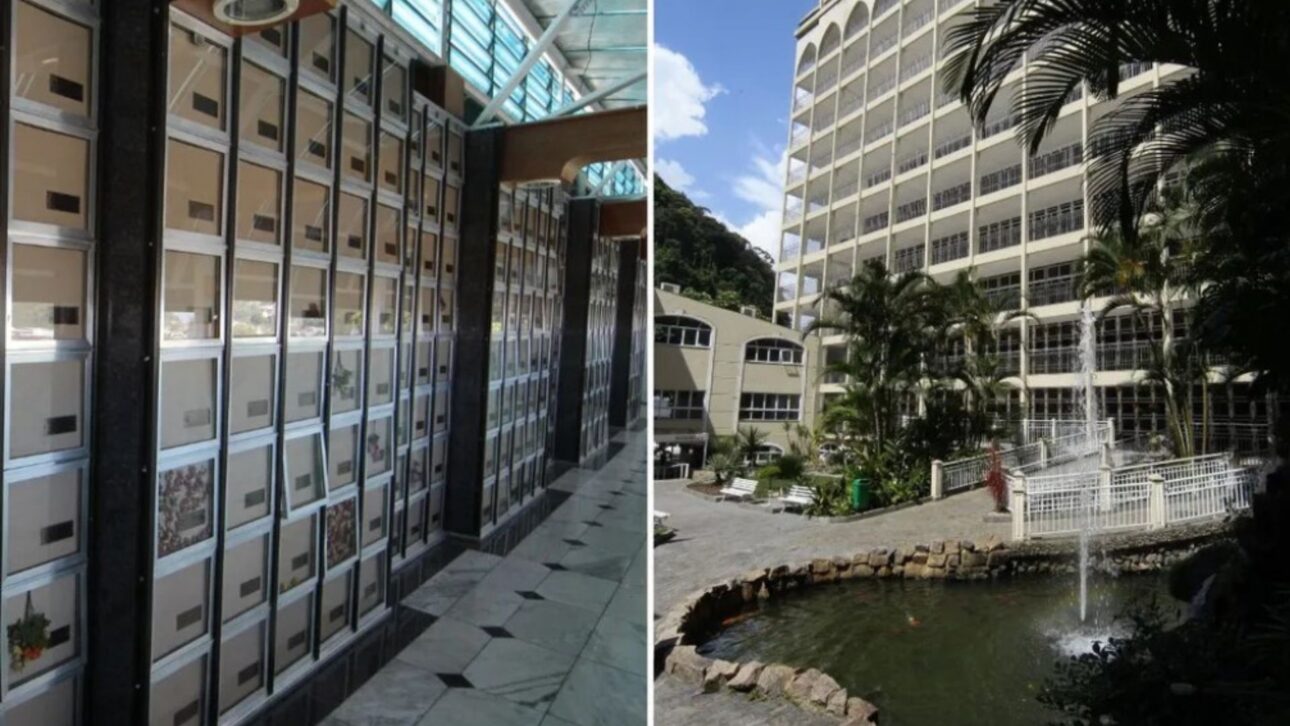
The structure houses around 14,000 niches, small individual compartments intended for eternal rest, distributed across floors that rise above street level.
Every detail of the design was carefully considered to ensure respect, accessibility, and comfort for families, from easy access to the presence of green areas, hanging gardens, and multi-religious spaces.
The Memorial also provides funeral rooms, areas for farewell ceremonies, and a café, bringing the environment closer to the idea of hospitality and making it less solemn and more welcoming to grieving families.
Over more than three decades of operation, the Memorial has established itself as an international reference in vertical cemeteries, attracting interest from scholars, urban managers, and even curious tourists.
The presence of famous figures buried at the site has contributed to increased public visibility.
Among them, Edson Arantes do Nascimento, Pelé, regarded as the greatest football player of all time, chose the Ecumenical Necropolis Memorial for his final resting place.
Pelé himself stated that he saw the space as a brighter, serene, and welcoming environment for receiving family tributes, reinforcing the idea that architecture can humanize even the moment of farewell.
Guinness World Records and Expansion of the Ecumenical Necropolis Memorial
The recognition of the Memorial as the tallest vertical cemetery in the world was officially certified by the Guinness World Records, the international entity that verifies world records.
According to the Guinness and information from the Memorial, there is a project to further increase the height of the building to 108 meters, which would definitively solidify its position as a global leader in the field.
Currently, the search for innovative burial solutions has gained strength in major metropolises, not only in Brazil but also in countries such as Argentina, Japan, and Singapore, where urban land is becoming increasingly valuable and limited.
Religious Diversity and Innovation in Urban Spaces
The Ecumenical Necropolis Memorial also stands out for its commitment to religious diversity.
Its spaces were designed to hold ceremonies for different faiths, reflecting the multicultural profile of the Baixada Santista population.
This innovative model shows that it is possible to preserve family memories and traditions even in vertical constructions, without losing respect for the history and individuality of each honoree.
In addition to meeting the demand for space, the vertical model represents a sustainable and rational alternative to land use, reducing the need for large areas designated exclusively for horizontal cemeteries.
According to urbanism experts, initiatives like Santos can serve as inspiration for other Brazilian cities facing similar challenges of urban expansion and land limitations.
The United Nations (UN) points out that by 2050, more than two-thirds of the world’s population will live in cities, further increasing the relevance of innovative solutions for funeral issues.
Modern Architecture and Humanization of Mourning
Another distinguishing feature of the Ecumenical Necropolis Memorial is the combination of architectural modernity and social sensitivity.
The building was designed to ensure privacy, security, and tranquility for families, without sacrificing natural elements and communal spaces.
The maintenance of hanging gardens, rest areas, and climate-controlled rooms reinforces the commitment to the well-being of visitors, making the place more than just a space for mourning, but also for memory and celebration of lives.
Global Trend of Vertical Cemeteries
The trend of vertical cemeteries, which has already consolidated in various cities in Brazil and around the world, highlights a profound transformation in farewell rituals and society’s relationship with death.
The Memorial, by offering personalized services and less rigid environments, challenges old taboos and shows that it is possible to unite tradition and innovation in a context of urban and cultural changes.
Currently, according to data from the Brazilian Association of Funeral Sector Companies and Directors (Abredif), the vertical cemetery segment has shown consistent growth, driven by both the limitation of space in large cities and the search for more humanized experiences.
Santos as an International Reference
With the Ecumenical Necropolis Memorial established as a global reference, Santos has become a symbol of a new paradigm regarding the theme of death, urban space, and memory preservation.
The tallest vertical cemetery on the planet not only revolutionizes funeral practices but also invites society to reflect on how cities can reinvent themselves in the face of the challenges of the 21st century.
In light of this innovation, do you believe that vertical cemeteries can become the standard in large Brazilian cities, or is the attachment to tradition still an obstacle to adopting this model?


