Portuguese
  Spanish


Dubai And Its Wealth And Innovation May Be Under Threat! Learn More About The Future Of The Desert City
In recent years, Dubai has transformed from a small fishing village into one of the most famous tourist destinations in the world, thanks to the discovery of large oil reserves in 1966. This economic leap allowed the emirate to create some of the largest architectural works on the planet, such as artificial islands, deserts, and the Burj Khalifa, the tallest building in the world.
However, the rapid growth, coupled with lack of planning and adverse geographical conditions, could bring catastrophic consequences for the future of the city, according to a video from the Global Knowledge channel.
DUBAI: Emerging Risks And The Need For Action
The uncontrolled growth of Dubai and its deserts has generated a series of structural and environmental problems. The sewage network, for example, is not expected to be completed until 2025, forcing the city to use vacuum trucks to remove waste. This is just one of the many challenges faced by the emirate.
-
European Parliament Approves Digital Euro, Aiming to Challenge Visa and Mastercard’s Dominance and Transform Payments Across Europe by 2029

-
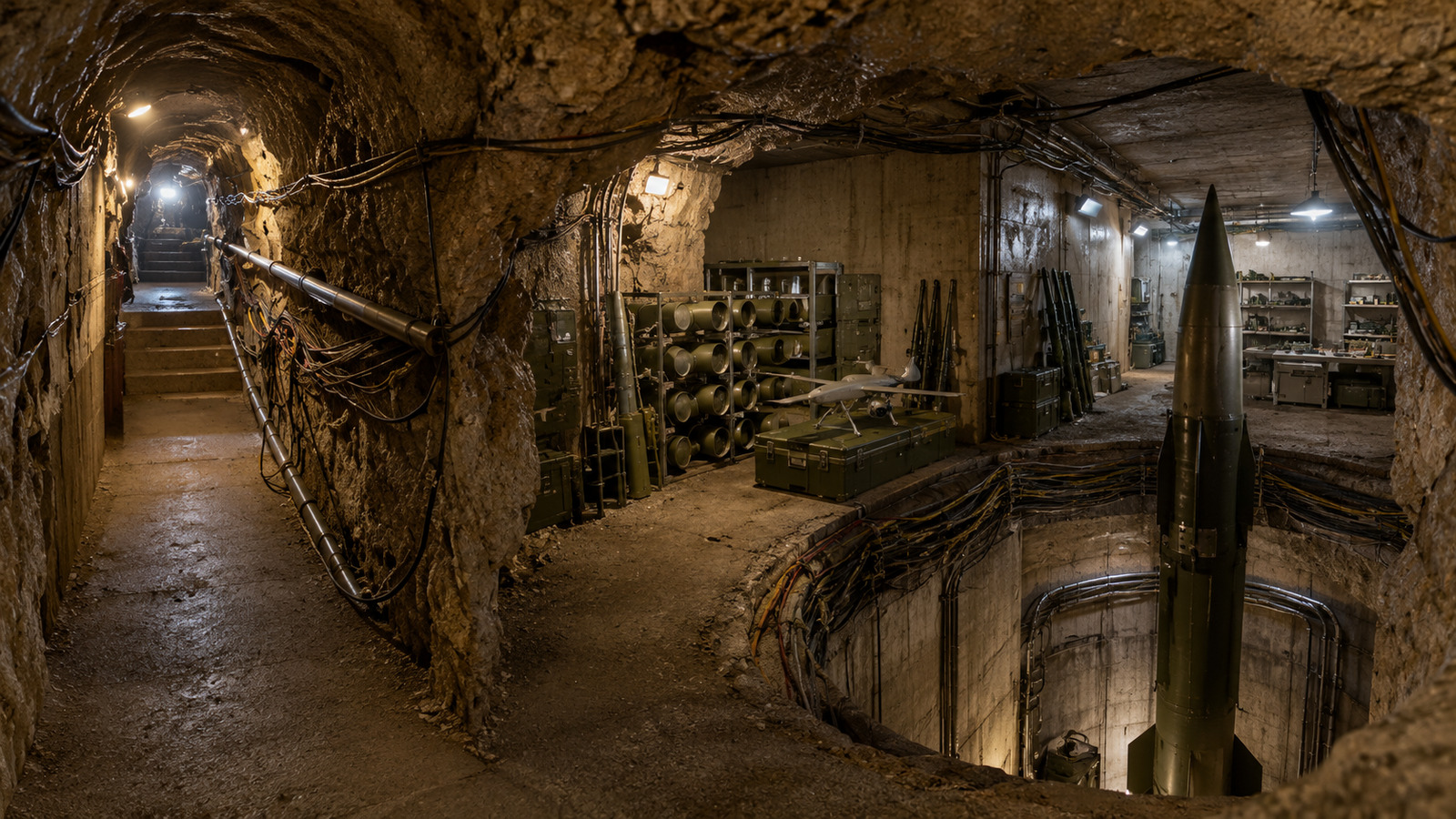
Israel finds Hezbollah militarized tunnel over 200 meters long under village, with 4 missile launch shafts, 12 chambers, anti-tank missiles, drones, and weapons depots at a depth of 25 meters.

-
Ukraine launches largest drone attack on Moscow since 2022, Russia claims to have intercepted nearly 200 aircraft near the capital, Kapotnya refinery targeted again, and offensive reignites alert about war reaching the Russian energy heart just a few kilometers from the Kremlin.

-
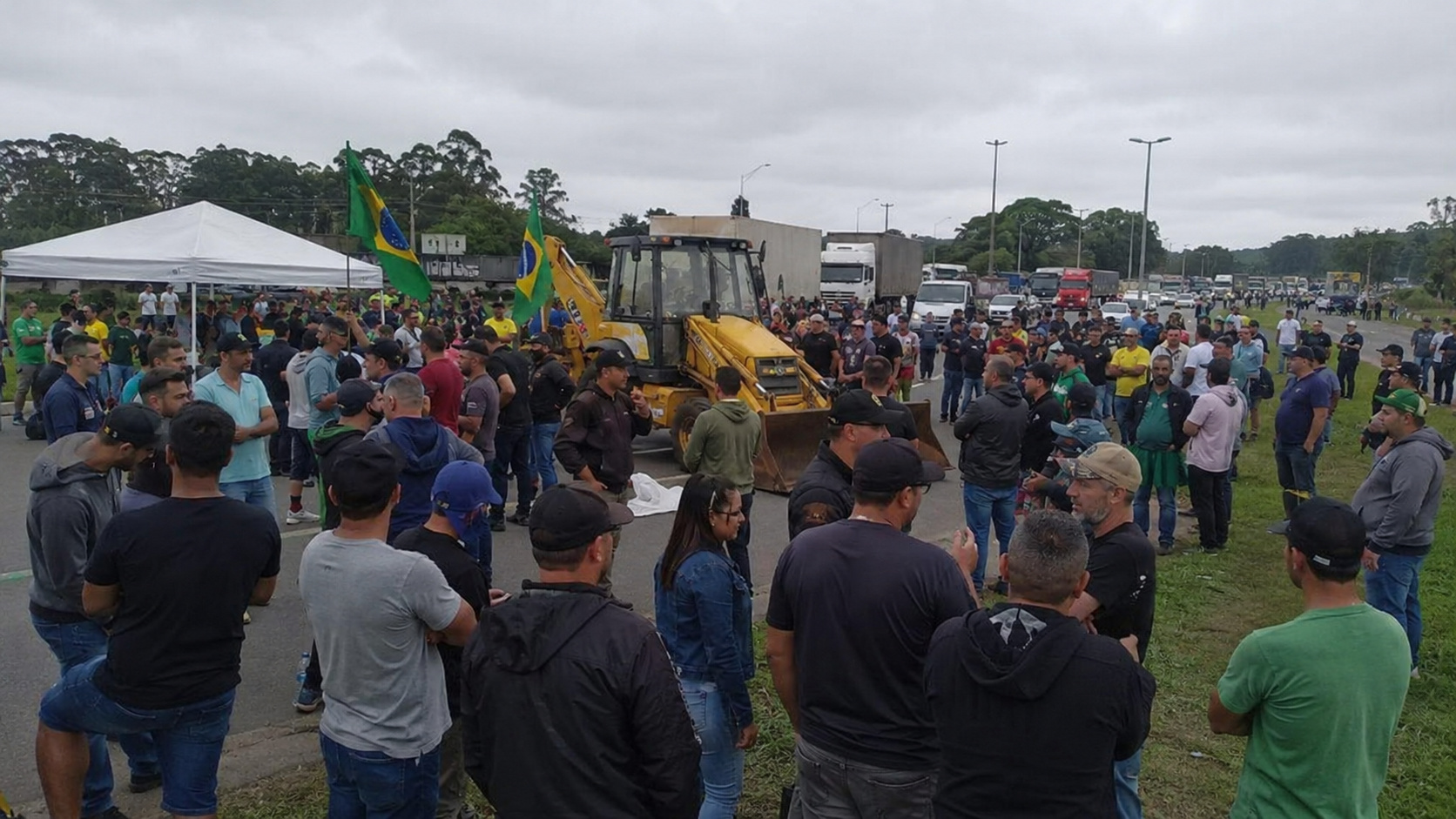
Truck drivers, freight, and fines from 2022 take center stage in politics: Chamber approves MP with amnesty, mandatory tracking by CIOT, million-dollar penalties, and new minimum wage for those who spend more than 24 hours on the road.


Furthermore, Dubai was ranked in 2008 as the place with the worst ecological footprint per capita in the world, meaning the city has almost no sustainability measures due to its high energy consumption, much of which is generated from fossil fuels.
Learn More Details About The “End Of Dubai”


Sustainability Challenges: Erosion And Desertification
The famous artificial islands and deserts of Dubai are sinking and suffering erosion due to changes in marine currents. They are losing between 10,000 and 15,000 cubic meters of sand per year and sinking about five millimeters annually. On solid ground, the problem is even more severe. Photos from 2018 show the deserts advancing over urbanized areas, damaging the existing infrastructure. Between 2002 and 2018, Dubai lost 56% of its arable land, intensifying dependence on imports of food and water.
Initiatives To Mitigate Problems And Contribute To Sustainability
To face these challenges, the Dubai government has invested in various initiatives. In 2010, the planting of one million trees to combat desertification was announced, but lack of planning resulted in the death of all the trees. The technique of cloud seeding to create artificial rain is another strategy being used, although its long-term effects are unknown and may cause flooding.
One of the most promising solutions comes from a Norwegian startup called Desert Control, which developed a liquid nano-clay spraying technique to transform degraded soils into arable land. This innovation has the potential to revolutionize agriculture in arid regions but still needs to be perfected and become economically viable.
The Role of Money In The Future Of Dubai
Dubai has the advantage of having significant financial resources, allowing it to invest in technology and infrastructure in the deserts. However, the long-term sustainability of the city will depend on more conscious and planned decisions. Efficient energy use, proper water resource management, and consideration of environmental impacts are crucial to ensure that Dubai continues to thrive.
The Future Of Dubai Is At A Crossroads
The city must balance its rapid growth with the urgent need to address its environmental and structural issues. If innovative solutions and investments are well-directed, Dubai may not only overcome these challenges but also serve as an example for other regions of the world facing similar problems. The hope is that the techniques developed in Dubai can be applied globally, contributing to sustainability and food security on a planetary scale.