






 Portuguese
  Spanish


Rubens Ometto Navigates One of the Most Turbulent Periods of His Business Trajectory, with Billion-Dollar Losses, Rising Debt, and Divestments that Threaten the Sustainability of the Conglomerate He Built Over Decades.
This year, especially in August, the conglomerate of Rubens Ometto, 75, is going through its toughest phase since the creation of Raízen.
The company reported a loss of R$ 1.8 billion in the 1st quarter of the 2025/26 crop year, saw net debt soar to R$ 49.2 billion, and its leverage reach 4.5 times adjusted EBITDA.
On August 14, shares of RAIZ4 hit a low of R$ 1.02 during the intraday session, amid the understanding that divestments and capital adjustment would need to be accelerated.
-
India’s Sugar Export Cuts and Ethanol Shift Amid El Niño Threat Could Impact Global Prices and Stocks

-
Quarantine Pest Threatening Palm Trees Puts Brazilian Authorities on Alert, Prompts Monitoring at University of Taubaté and Potential Control Measures Across São Paulo
-
Global Alert: Report Finds 159 Pesticides in Coffee Beans Sold in Europe, Posing Serious Risks to Millions of Farm Workers
-
Low-Demand Brazilian Beef Offal Gains Popularity Abroad: Indonesia Purchases $19.5 Million, Boosting Revenue and Reducing Waste




Raízen Faces Debt and Sells Mills
The latest balance sheet raised the cash alert. In addition to escalating financial costs, analysts pointed out the need to adjust capex, reduce trading, and sell non-essential assets to unlock cash flow.
In response, Raízen announced on August 29, 2025, the sale of the Passa Tempo and Rio Brilhante mills in Mato Grosso do Sul to Cocal for R$ 1.325 billion in cash at closing, a value that could reach R$ 1.54 billion when including offseason investments assumed by the buyer.
The transaction reduces capacity and aids in short-term deleveraging.
Meanwhile, rumors of a potential entry by Petrobras into Raízen’s capital or assets managed to boost the shares, but the state-owned company denied that there are any studies or projects in that direction, cooling the hypothesis of immediate equity reinforcement.
Cosan Loses Steam Despite Sale of Vale
The holding company Cosan is also feeling the effects.
In the 2nd quarter of 2025, the company reported a loss of R$ 946 million and ended June with a net debt of R$ 17.54 billion, an 18.7% increase over twelve months.
The numbers show that, despite the relief obtained in January with the sale of 4.05% of Vale for around R$ 9 billion to reduce debt, the balance remains pressured by the performance of its controlled companies.
The sale of the stake in the mining company, completed on January 16, 2025, was explained by Ometto as a move forced by the interest rates in the country.
The operation raised significant funds but did not end the need for a divestment program that may total up to R$ 15 billion by the end of 2025, focusing mainly on Raízen.
The Size of the Agricultural Empire
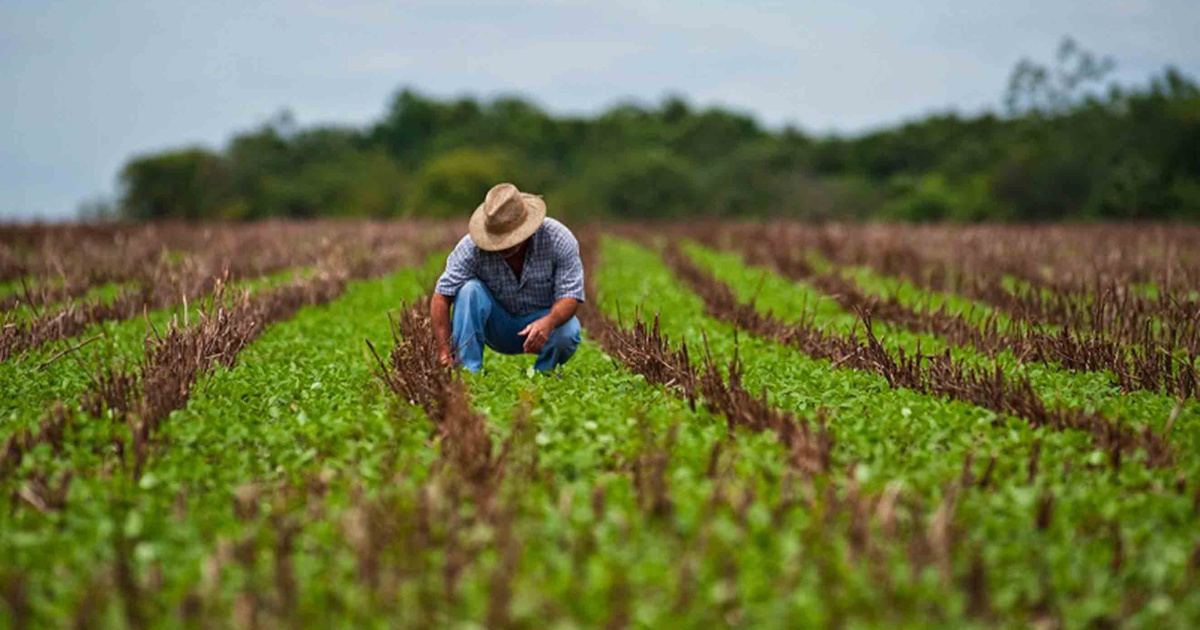
In the field, the figure that measures the empire remains impressive: 1.3 million hectares of agricultural land cultivated under Raízen’s management.
Although commonly associated with “ownership” of land, the official figure refers to the area cultivated by the company and its partners — not entirely to direct ownership.
Second-Generation Ethanol Generates Losses
The billion-dollar bet on second-generation ethanol (E2G), which uses straw and bagasse from sugarcane, remains strategic, but profitability fell short of the plan.
In February 2025, Rubens Ometto admitted that the company is “struggling and paying for it”, after investing approximately R$ 9 billion in the portfolio.
The speech confirms the revision of pace and the search for partners to facilitate expansion with lower consumption of equity capital. Still, the project has not stopped.
In January 2025, BNDES approved R$ 1 billion for a new E2G plant in Andradina (SP), reinforcing the understanding that the technology remains relevant in the energy transition — provided it is financed with a more balanced capital structure.
Divestments and Adjustments Underway
To restore the balance, in addition to the mills in Mato Grosso do Sul, Raízen is evaluating the sale of non-strategic assets and had already put its proximity retail (Oxxo) portfolio, operated in a joint venture with Femsa, under review.
The company sought additional working capital for the network while studying the sale of a stake. These measures are part of the list of options to reduce consolidated leverage.
Rumo Railway Advances Profitably
Not all businesses progress at the same pace. Rumo, the group’s railway operator, reversed losses and made a profit of R$ 333 million in the 2nd quarter of 2025, with adjusted EBITDA of R$ 2.28 billion and leverage at 1.8 times.
The performance helps to mitigate some of the conglomerate’s risk perception, but does not compensate for the weight of debt and investments in energy sectors.
From Piracicaba to the Top of Agribusiness
Son of Piracicaba and a production engineer from USP, Rubens Ometto built, since the 2000s, a conglomerate that verticalized sugar, ethanol, fuels, and logistics.
The purchase of Esso in Brazil in 2008 and the creation of Raízen with Shell in 2011 shaped the integrated energy platform that today dominates the landscape of the group — and which, in this cycle, also concentrated the problems.
The Future at Stake
In the short term, the equation depends on three movements: deleveraging through asset sales, investment discipline, and potential capital reinforcement if the scenario demands it.
The market itself views capitalization measures positively if accompanied by cuts in financial expenses and a focus on profitable assets.
Any news about new partners or M&A operations in the core business tends to be the most relevant trigger for prices, as long as it is confirmed and well-structured.
On the other hand, high interest rates continue to pressure debt costs and the attractiveness of long-term projects — a point the entrepreneur frequently reiterates.
The curve of leverage reduction will define the pace of recovery and the ability of Raízen to transform a capital-intensive asset park into consistent cash generation.
As the group accelerates divestments and tightens management, the key question remains: Will the adjustment package be sufficient to preserve the 1.3 million hectares under management and restore traction to the controlled companies?
And for you, do Rubens Ometto’s decisions open a new cycle of efficiency or elevate the risk to the future of Cosan?






Deve ter feito **** com o dedo brocha, logo as facções tomam conta, porque o dinheiro que estão economizando com a compra de fuzil depois que o preguiçoso e mau elemento foi presidente, dá para investir muito.
Gostaria de saber como faz para chegar a possuir 1.3 milhão se hectares. Queria conhecer as matriculas iniciais dessas propriedades. Quem deu legalidade a essas Transferências.
Ometo fez o L ; deixe esse **** morrer