






 Portuguese
  Spanish


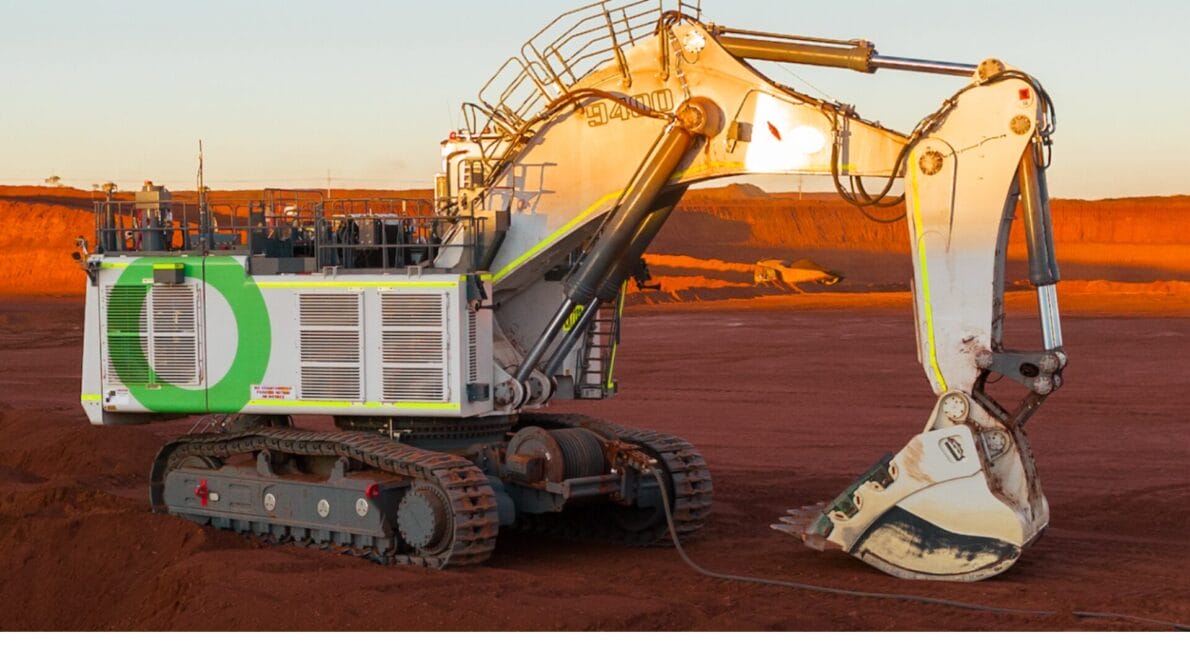

A Green Monster Called Liebherr R9400 E Could Turn The Entire Market For Electric Miners And Excavators Upside Down, Understand!
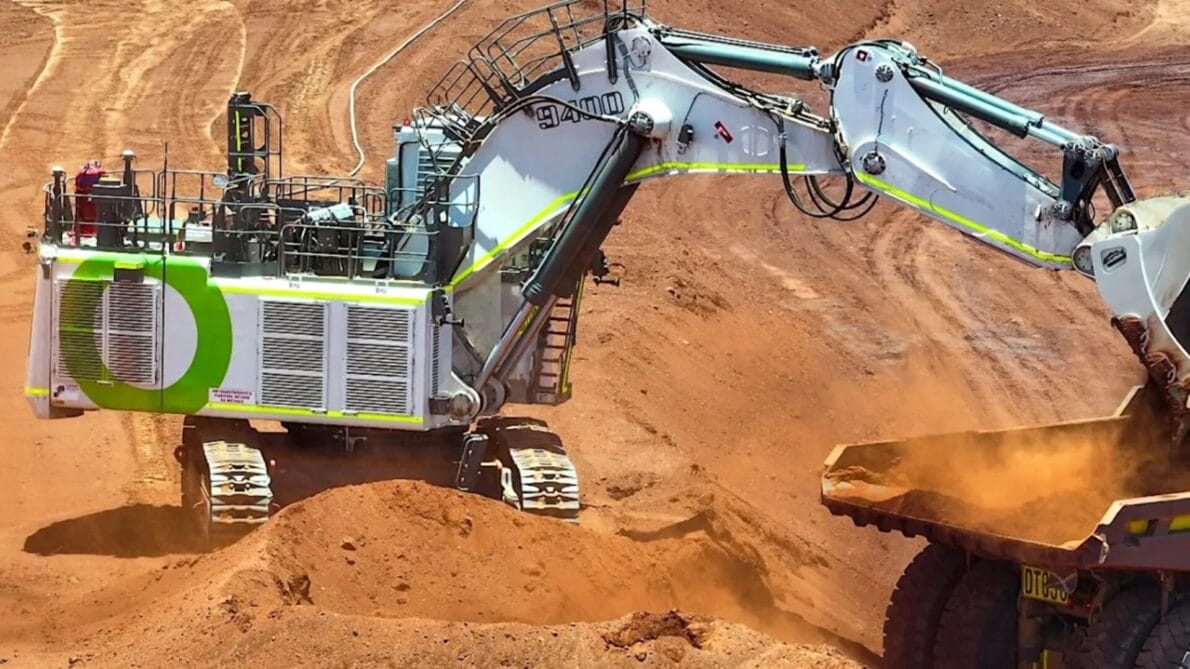
According to Electrek, in an innovative feat, the electric Liebherr R9400 E surpassed the mark of one million tons, moving its millionth ton of soil. This milestone was achieved at the Christmas Creek mine, owned by Fortescue, in Western Australia, where the converted excavator has been operating tirelessly. But this is not just about impressive numbers; it is a testament to the future of sustainable mining. Let’s explore the details of this electrifying success story.
Is Liebherr’s Electric Workforce All That?
The electric Liebherr R 9400 E, once a conventional diesel-powered machine, has undergone a remarkable transformation. Now, with its electric drivetrain, it has become a workforce at the forefront of decarbonization efforts. The modular design of Liebherr equipment has facilitated this seamless conversion, ensuring that the excavator is prepared for the future for many years to come.
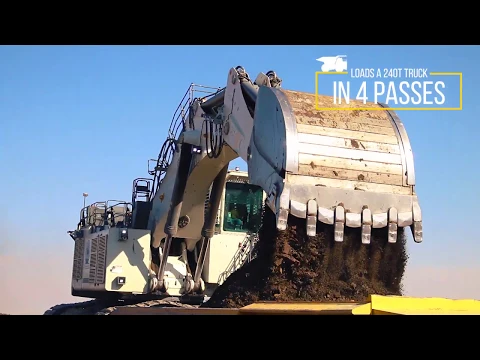

But What Makes This Electric Giant Work?
Energy Efficiency
Moving over one million tons of earth and rock requires substantial energy. The reconverted R 9400 E excavator operates with a combination of renewable solar energy and a 6.6 kV substation, which conducts electrons over more than two kilometers of high-voltage cable. While it currently relies on a hybrid energy source, Fortescue’s ultimate goal is to power its entire fleet with renewable electricity, eliminating emissions in its mining operations.
-
Giant Batteries Take Center Stage in Chile Auction as Company Offers 960 GWh of Solar Energy for Nighttime Use, Aiming to Stabilize Solar Power Supply

-
Eni Acquires 25% Stake in Chilean Lithium Project, Plans to Invest Up to $225 Million in Eco-Friendly Extraction Method
-
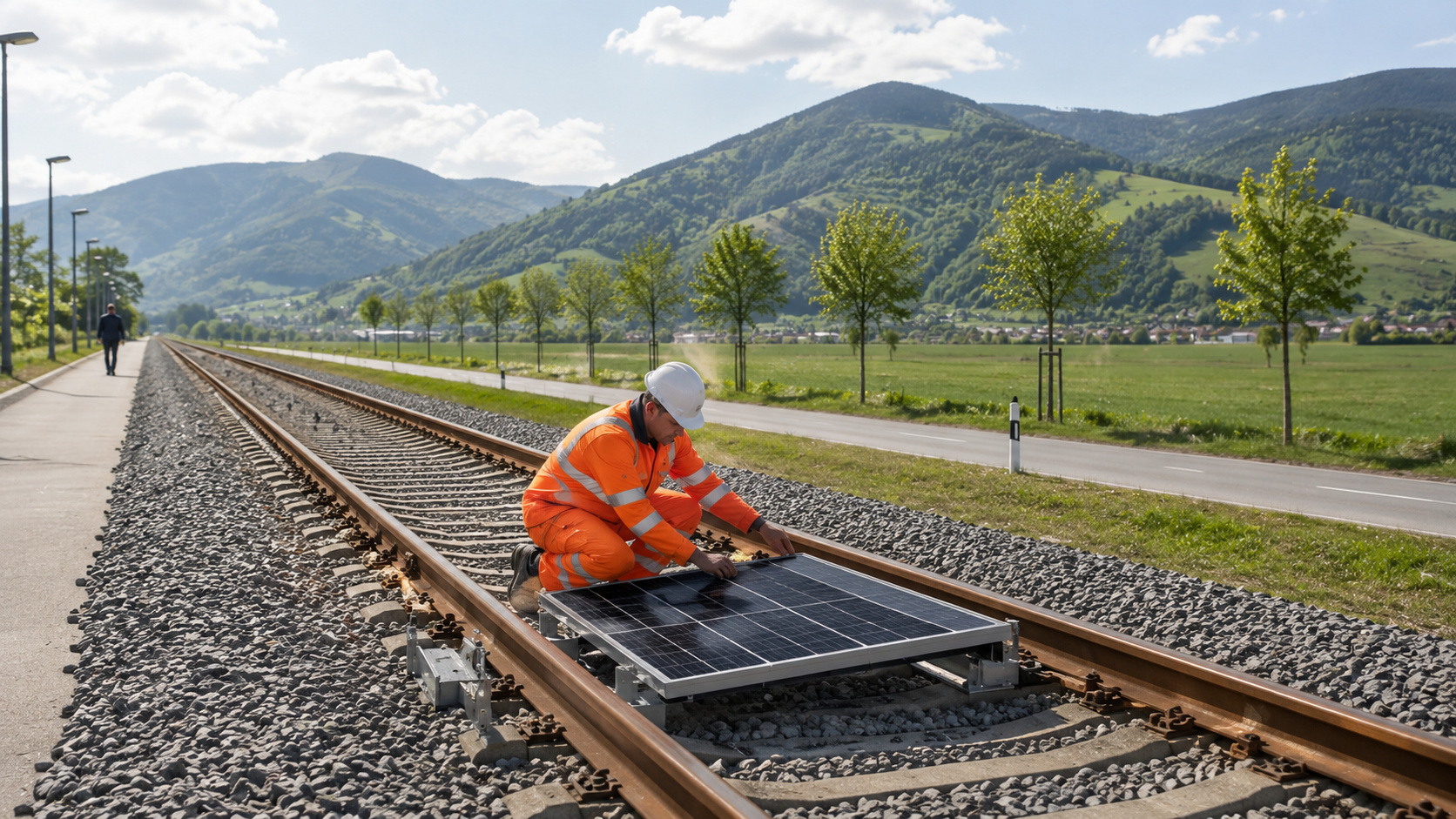
After a Year of Success in Switzerland, Solar Railway Attracts Italy’s Interest for Clean Energy Transformation
-
French Brand Transforms 6 Million Brazilian PET Bottles into Sustainable Sneakers for Global Fashion Market

Environmental Impact
Fortescue’s commitment to sustainability is evident. By transitioning to electric excavators, they aim to eliminate around 95 million liters of diesel from their operations annually, equivalent to over a quarter of a million tons of carbon dioxide. This shift not only reduces greenhouse gas emissions but also sets a precedent for other mining companies to follow suit.
Collaboration and Innovation with Liebherr
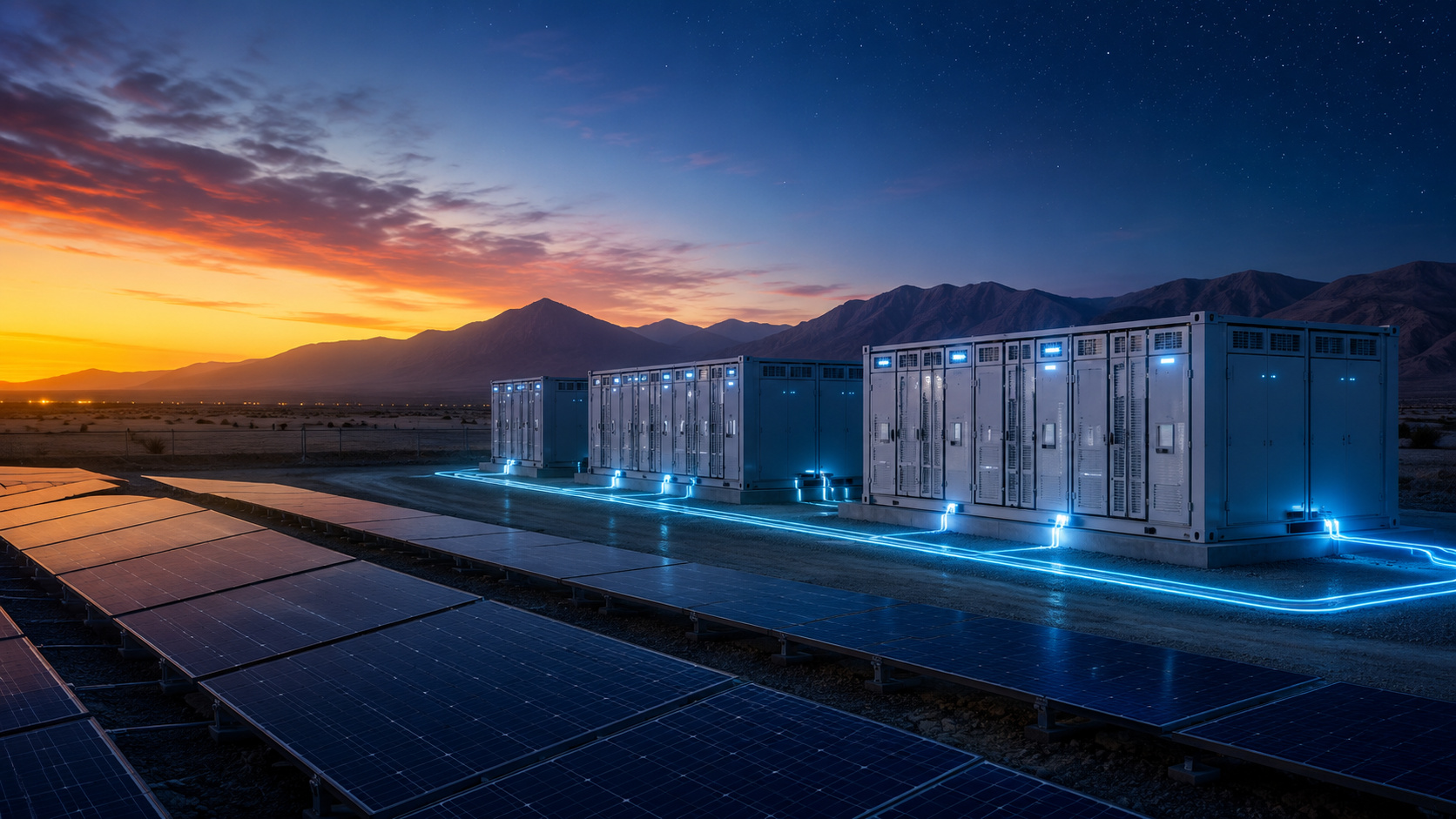
The partnership between Fortescue and Liebherr exemplifies true collaboration. Together, they have developed zero-emission solutions that move beyond fossil fuels. The R 9400 converted excavator can be connected to a constant energy source, either directly to the electrical grid or through a large-scale Battery Energy Storage System (BESS). Additionally, Fortescue’s Hydrogen-Powered External Power Unit (OPU) is undergoing onsite testing, demonstrating its commitment to cutting-edge technology.
And Is All This Effort Really Worth It?
As the first operational electric excavator in Australia, the Liebherr R 9400 E has paved the way for sustainable mining practices. Its success story resonates throughout the industry, inspiring others to adopt electrification and reduce their environmental footprint. With two more electric excavators on the horizon, Fortescue and Liebherr are shaping a cleaner and greener future for mining operations worldwide.


