Portuguese
  Spanish


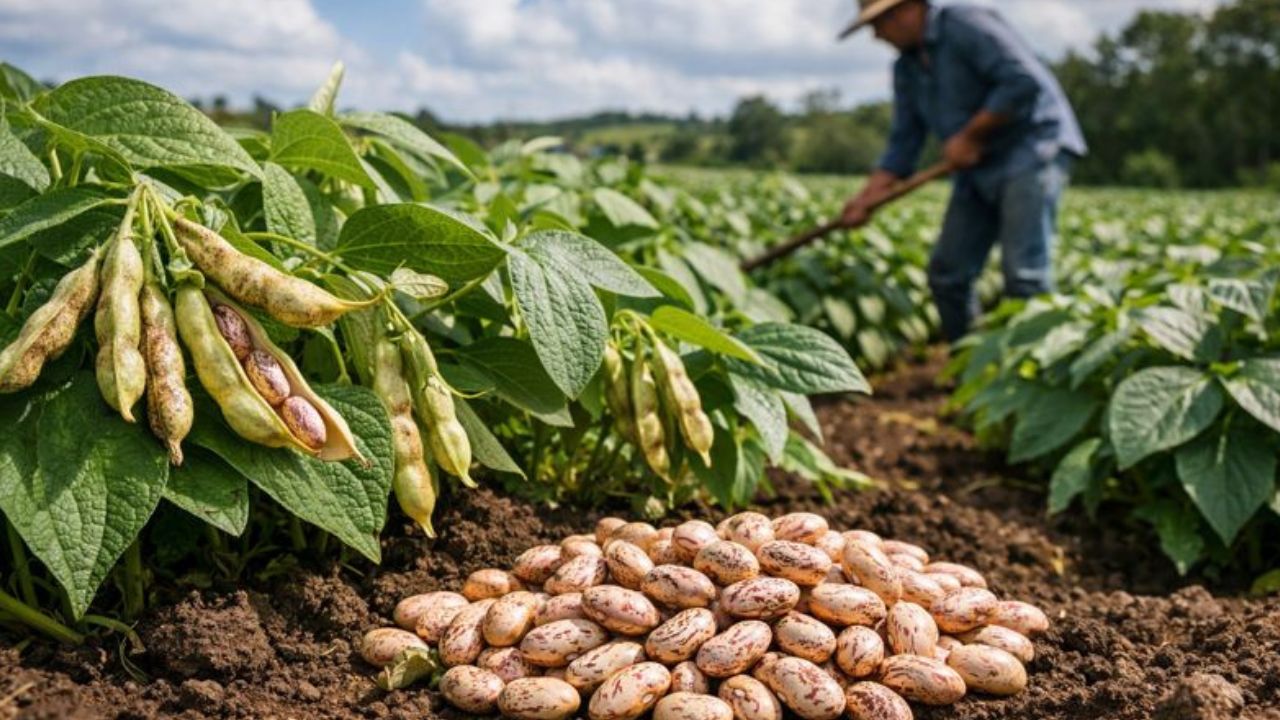


Carioca Bean Was Born from Science and Revolutionized Bean Cultivation in Brazil, Gaining Space in the Economy and on the Plates of Millions.
What it is, who created it, when it emerged, where it was born, how it spread, and why it became essential: the carioca bean, now present on the plate of about 60% of Brazilians, is a direct result of national agricultural science.
The cultivar emerged from a natural mutation identified in the interior of São Paulo in the 1960s, was improved by researchers led by agronomist Luiz D’Artagnan de Almeida, and scaled up with public policies, outreach campaigns, and strong consumer acceptance.

The process transformed bean cultivation in Brazil, increased productivity, and consolidated a key food for food security.
-
Over a Thousand Nelore Cattle Die Unexpectedly in Brazilian Feedlot, Raising Concerns About Intensive Livestock Farming

-
Researchers Turn Discarded Mango Pits into Hydrogel That Absorbs 400% of Its Weight in Water, Offering Agricultural Solution for Droughts and Waste Reuse

-
Flower strips in Brazilian farms become pest control strategy, attracting predator insects and reducing the need for chemical pesticides.

-
Yara acquires Texas ammonia plant for $1.3 billion, boosting global fertilizer competition with 1.3 million tons annual capacity


See more: Santa Catarina Bans Imported Powdered Milk and Protects Rural Producers
See more: Meat Packagers Pressure Government for Hilton Quota in China to Protect Brazilian Industry
From Ancestral Tradition to Leadership of the Carioca Bean
Beans have always held a central place in Brazilian cuisine, long before colonization. Indigenous peoples already combined it with manioc flour, a practice that shaped lasting culinary habits.
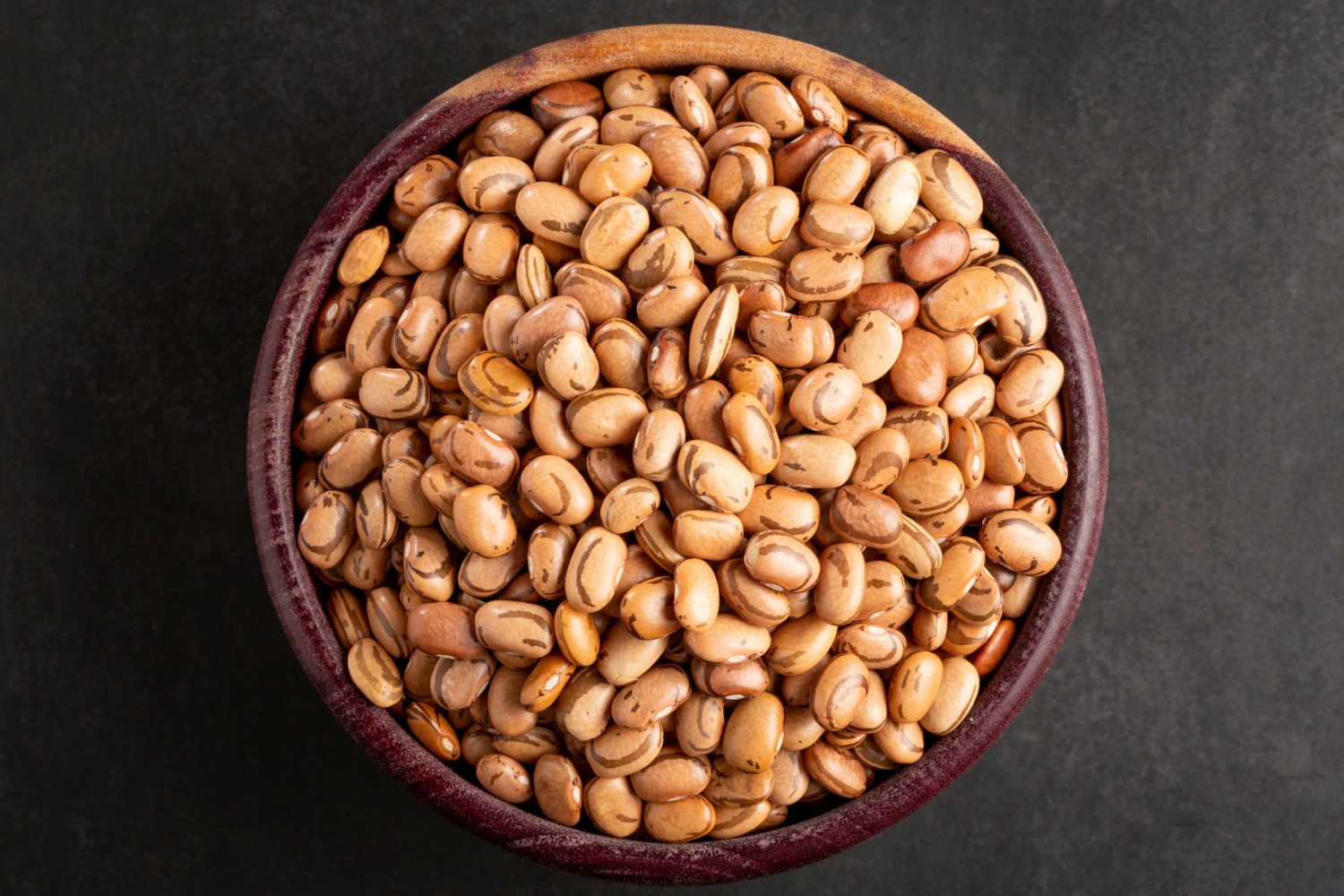
Until the 1960s, there were various regional preferences — such as gold bean, rosinha, jalo, and chumbinho — but starting in the following decade, a specific grain began to dominate: the carioca bean, characterized by its light and streaked color.
Today, data from Embrapa indicates that the carioca bean accounts for approximately 60% of national production, reflecting agronomic gains and consumer acceptance.

The Mutation that Changed Cultivation
The turning point occurred in 1963 in Ibirarema (SP), when agronomist Waldimir Coronado Antunes identified different plants in a chumbinho bean field. The streaked grains exhibited vigor, greater resistance to diseases, and superior productivity.
The mass selection — a simple improvement technique — confirmed it was a natural mutation, not a genetic modification in the lab.
Three years later, samples were sent to the Agronomic Institute, where the material was cataloged as “carioca” (I-38700).
It was up to Luiz D’Artagnan de Almeida to conduct evaluations, multiply seeds, and officially launch the new cultivar.
See more: Açaíbot Revolutionizes Açaí Harvesting and Increases Earnings for Harvesters in the Amazon
Productivity, Flavor, and Consumer Acceptance
Studies showed clear advantages. Trials in the early 1970s indicated an average productivity of 1,670 kg per hectare, above that of traditional varieties.
Moreover, the carioca bean cooked faster, formed a clear and thick broth, and had a distinctive flavor — decisive attributes for consumers.
Still, there was initial concern about its streaked appearance. To overcome this, researchers invested in technical and culinary outreach.
State campaigns distributed packages of the new bean with recipes and promoted tastings in supermarkets, a strategy that accelerated adoption.
Regional Dissemination and National Consolidation
The official launch occurred in 1969. From then on, agronomists traveled throughout the state of São Paulo with lectures and seed distribution.
In Taquarituba, the work of agronomist José Norival Augusti was crucial for diffusion among producers, to the point that the municipality earned the title of “bean capital” in the 1970s.
In the 1980s, the carioca bean spread to other regions of Brazil. Although regional preferences persist — black beans in the South, mulatinho in the Northeast — the cultivar adapted to different soils and climates, becoming the most consumed in the country.
Economic Impact and Comparison with Other Markets
The “carioca revolution” was not just agricultural. It reorganized the domestic bean market, expanded supply, and reduced prices, strengthening food security.
This movement helps to understand how basic food items can play a role as strategic as precious metals like silver and gold in the global economy.
Just as these metals influence markets in the United States and around the world, the carioca bean has come to decisively influence the supply and cost of food in Brazil.
Rising Prices and Incentives for Cultivation
According to Cepea, prices for carioca beans and black beans reached their highest levels in months in January.
The lower availability of the first harvest and the possible reduction of area in the second explain the recovery of prices.
This scenario may incentivize the cultivation of the second crop while applying pressure on wholesale and retail.
Scientific Legacy and Food Security
For Embrapa, the launch of the carioca bean was a turning point, as it reversed the decline in productivity and supported a chain focused on the domestic market.
The Agronomic Institute highlighted, in a statement, that the research by D’Artagnan de Almeida “revolutionized the tables of Brazilians.”
Rich in proteins and fibers, the bean remains essential for nutrition. The diversity of types expands options for different palates and diets, including vegetarian ones.
It is worth remembering that the name “carioca” has no relation to Rio de Janeiro, but with the similarity of the streaked grains to the fur of a local pig from the region where it originated.
Thus, the carioca bean established itself as a symbol of scientific innovation applied to the field, uniting dietary tradition, agricultural productivity, and lasting economic impact in Brazil.