Portuguese
  Spanish


The purchase of the plant in Texas expands Yara’s presence in the USA, strengthens the supply of ammonia for fertilizers, and increases the company’s investments in 2026 to US$ 2.5 billion.
Yara has completed the purchase of the Gulf Coast Ammonia plant in Texas City, United States, for US$ 1.3 billion. This operation places the Norwegian multinational in an even stronger position in the fertilizer market and expands its presence in one of the most strategic regions for the sector.
The plant has the capacity to produce 1.3 million tons per year and is in the testing phase. The company’s expectation is that the venture will reach stable operation by the end of 2026 and, thereafter, run above the projected capacity.
According to cnn, the purchase reinforces the company’s strategy to ensure more competitiveness in the global supply of ammonia, a central input for the production of nitrogen fertilizers.
-
Flower strips in Brazilian farms become pest control strategy, attracting predator insects and reducing the need for chemical pesticides.

-
At 35, Lawyer Leaves Corporate Career to Turn 1-Hectare Farm into Organic Supplier for Schools in Southern Brazil

-
Solar-powered agricultural robots operate 24/7, remove weeds with 8mm precision, and aim to cut herbicide use without fuel consumption in the fields.

-
Brazilian Farmer Invents Low-Cost Tractor Using Motorcycle Parts, Efficiently Working 2 Acres on 1 Liter of Diesel



A major plant in the heart of the American market
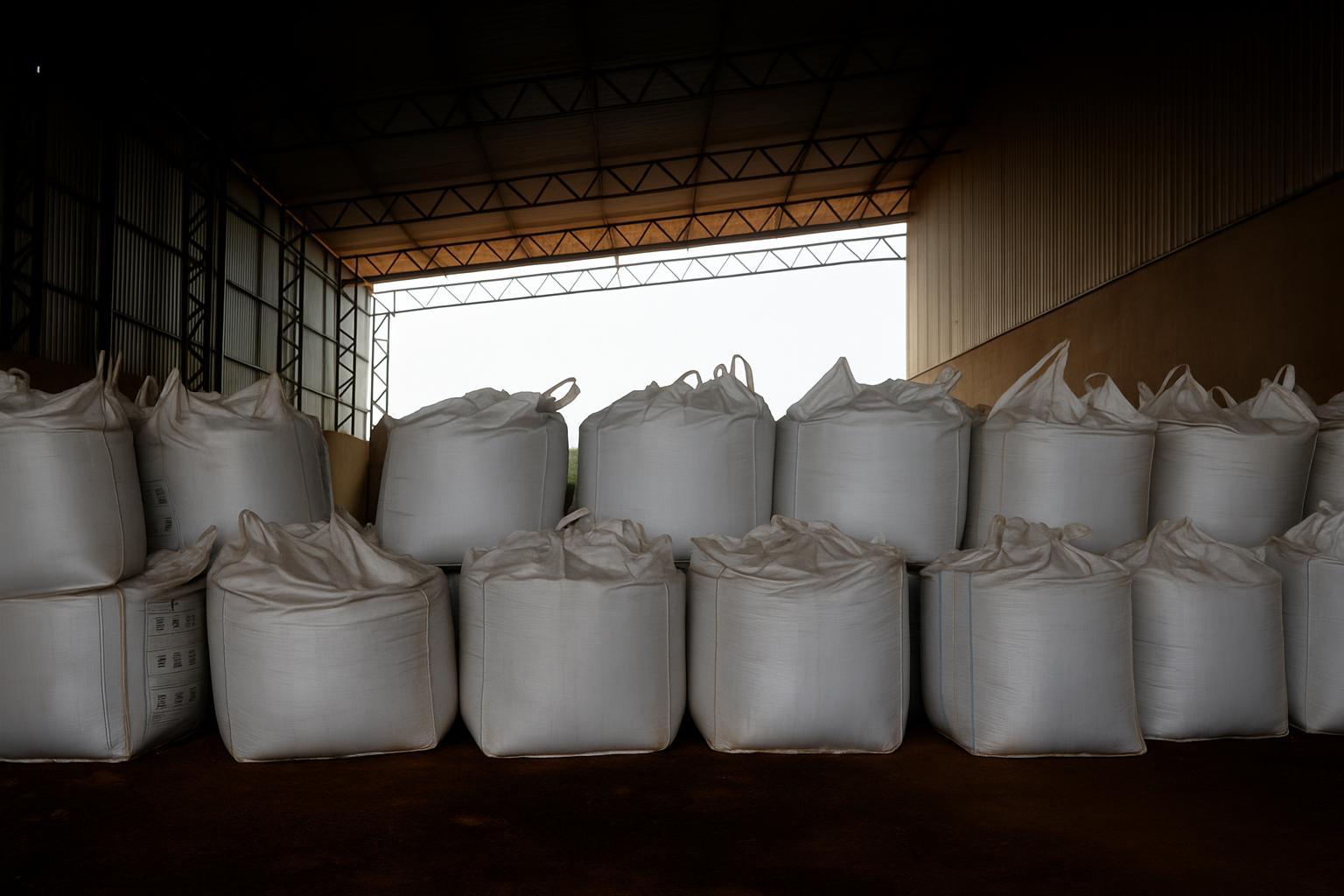
The new unit expands Yara’s operations in the United States, a country seen by the company as key due to its abundant supply of natural gas and proximity to large industrial and agricultural consumers. The company is betting precisely on this combination to reduce risks and gain efficiency in supply.
In addition to serving industrial customers, the plant will also reinforce Yara’s own internal demand for ammonia. In practice, this strengthens the company’s chain at a time when the input remains at the center of the global competition for fertilizers.
US Natural Gas enters the center of the strategy
One of the main effects of the acquisition is the diversification of exposure to energy costs. The plant will use natural gas from the American market, which reduces dependence on other producing regions and provides more flexibility to the operation.
The company’s President and CEO, Svein Tore Holsether, stated in the announcement that the plant helps strengthen Yara’s operational resilience and diversify energy costs at a time when supply flexibility has become even more important.
The purchased structure includes the ammonia synthesis unit, storage tanks, and loading infrastructure. The company also said that the operational model is similar to the one already used in Freeport, also in Texas, where it records high efficiency rates.
2026 Capex rises to US$ 2.5 billion
The acquisition has a direct effect on the company’s cash flow. With the deal, Yara’s investments in 2026 rise to US$ 2.5 billion. Even so, the company stated that the operation remains aligned with the strategic plan presented to the market at the beginning of the year and preserves its financial discipline.
Another point that remained on the radar is the possibility of the unit, in the future, producing low-carbon ammonia. This will depend on the evolution of regulatory rules and the economic viability of decarbonization projects, according to the company itself.
The completion of the purchase still depends on the approval of regulatory bodies and the fulfillment of the usual conditions for this type of transaction. Until then, the deal already signals a new stage in the competition for fertilizers and industrial inputs in the United States and beyond. If this movement changes the balance of the sector, it’s worth keeping a close watch — and let us know what you think of Yara’s strategy.