Portuguese
  Spanish


Researchers in India have created a hydrogel made from discarded mango pits that absorbs up to 400% of water and can help farmers in dry regions.
Every year, millions of tons of mango seeds end up discarded after the fruit is consumed. What is usually treated as agro-industrial waste can, however, gain a new function: storing water in the soil and helping farmers face prolonged drought periods.
Researchers from Bihar Agricultural University (BAU) in India have developed a hydrogel produced from the kernel inside the mango pit. According to the university, the material demonstrated a high capacity for water absorption and can become a sustainable alternative to improve moisture retention in agricultural areas prone to drought.
Scientists discovered that mango waste can store large amounts of water within the soil
The innovation received a patent granted by the Patent Office of the Government of India and was developed under the supervision of BAU’s vice-chancellor, D. R. Singh, with participation from researchers A. K. Singh, V. Shajeeda Banu, Mohd Wasim Siddiqui, Deep Lata, and Rajesh Kumar.
-
Flower strips in Brazilian farms become pest control strategy, attracting predator insects and reducing the need for chemical pesticides.

-
Yara acquires Texas ammonia plant for $1.3 billion, boosting global fertilizer competition with 1.3 million tons annual capacity

-
At 35, Lawyer Leaves Corporate Career to Turn 1-Hectare Farm into Organic Supplier for Schools in Southern Brazil

-
Solar-powered agricultural robots operate 24/7, remove weeds with 8mm precision, and aim to cut herbicide use without fuel consumption in the fields.


According to the university, the technology fits within the concepts of “waste-to-wealth” and “zero wastage”, which aim to transform agricultural waste into high-value-added products.
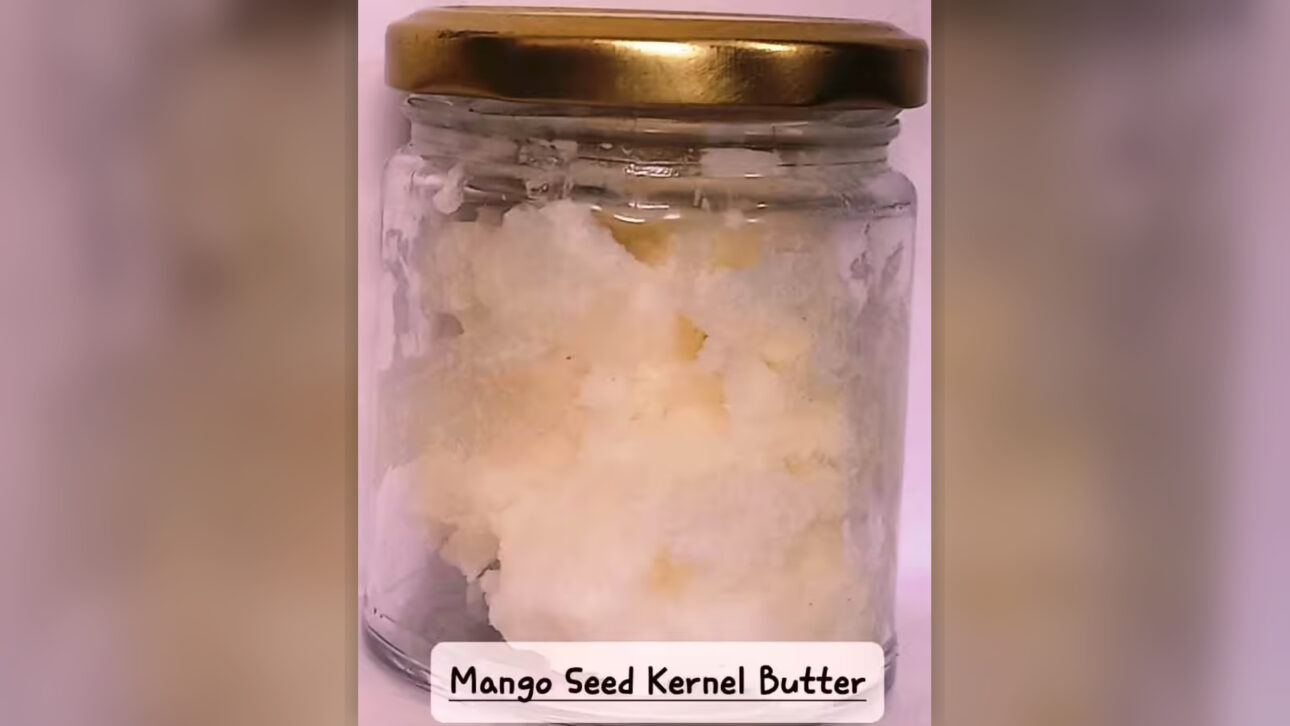
During laboratory tests, the hydrogel showed the ability to absorb approximately 400% of its own weight in water, as reported by Bihar Agricultural University. This means that each unit of the material can store several times its original mass in moisture and gradually release it to plant roots.
According to the researchers, the technology was primarily developed to assist in agricultural water management, especially in regions suffering from a lack of rainfall and relying on frequent irrigation.
India produces more than 26 million tons of mangoes per year and generates a huge amount of waste
The project also arose from a waste problem. According to data cited by Bihar Agricultural University, India produces about 26.3 million tons of mangoes per year, accounting for approximately 45% of the world’s mango production.
The institution highlights that the seeds represent between 20% and 25% of the total weight of the mango, becoming a gigantic source of organic waste discarded annually.
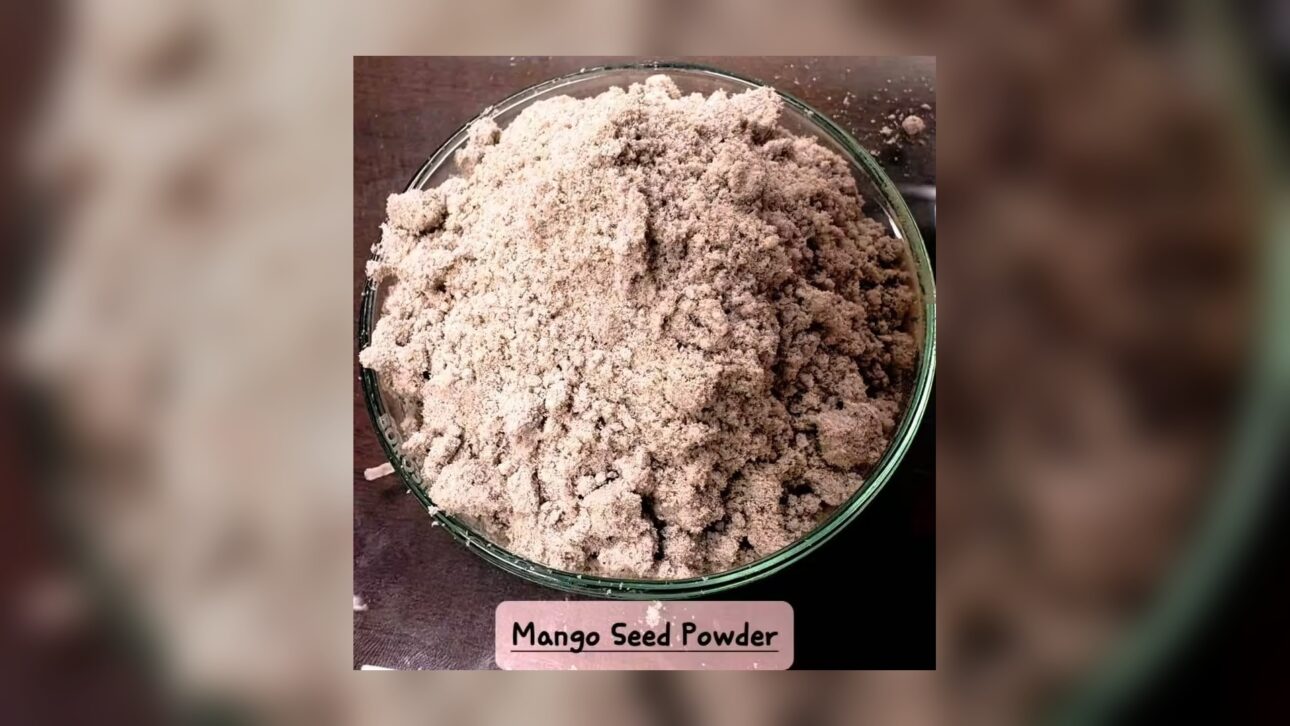
In the state of Bihar, considered one of the largest producers in the country, approximately 1.58 million tons of mangoes are cultivated on 165 thousand hectares, according to the university. The reuse of this material could create a new economic chain linked to sustainable agriculture.
Agricultural hydrogels are already seen as important allies against water scarcity
Hydrogels have been gaining ground in modern agriculture for their ability to store water and release it slowly as the soil dries.
Research compiled on agricultural hydrogels indicates that these materials can increase water retention, reduce losses from deep infiltration, decrease irrigation frequency, and contribute to maintaining moisture in sandy soils.
According to BAU, the new material derived from mango seeds can represent a more sustainable alternative by using discarded raw material on a large scale, simultaneously reducing waste and pressure on water resources.
Researchers also claim that the technology can strengthen the so-called secondary agriculture, a concept that seeks to add economic value to agricultural by-products that are normally discarded.
A waste that normally goes to the trash can become a tool against drought
The Indian innovation reinforces a trend observed in various research centers around the world: transforming agricultural waste into solutions for environmental problems.
In the case of mangoes, a fruit consumed in dozens of countries, millions of seeds discarded annually could gain a new utility within the production cycle itself.
If technology can advance beyond laboratories and reach agricultural fields, something that today ends up in the trash could become a tool to conserve water, reduce irrigation costs, and increase crop resilience in the face of climate change.