Portuguese
  Spanish


The Decision By Yamaha To Discontinue Two Of Its Most Iconic Models Reflects A Strategic Shift For The Brand. The Company Focuses On Innovation And New Market Demands. See The Impact And The New Features Coming Soon.
Yamaha has officially announced the end of production for the Factor 125i UBS and Fazer 150 UBS models. The news marks the end of an era for the brand in Brazil. This strategic decision is directly linked to market transformations and the evolution of consumer profiles.
The Impact Of Yamaha Factor 125 And Fazer 150 Exit
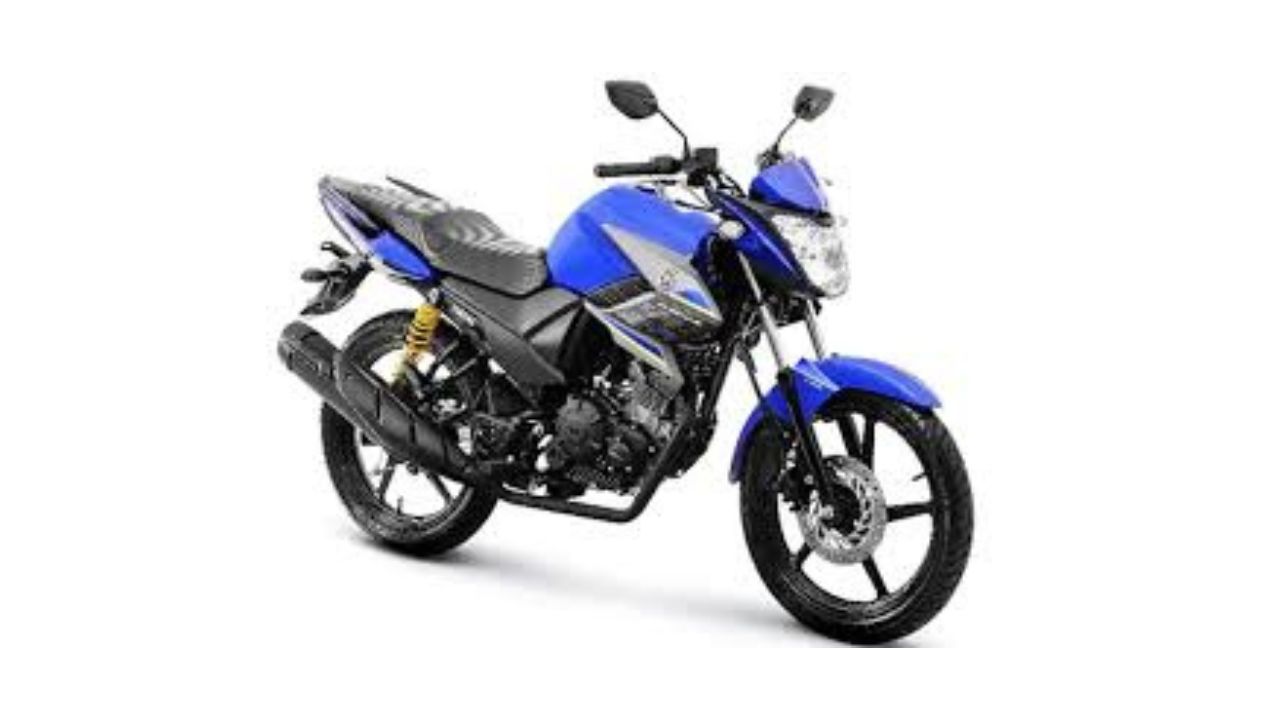
The withdrawal of the Yamaha Factor 125 and Fazer 150 has a significant impact. It directly affects enthusiasts and the motorcycle market in the country. Both models built successful careers based on reliability and strong performance.
As a result, they won over thousands of motorcyclists. They were favorites among many Brazilians due to their excellent cost-benefit. The easy maintenance and remarkable fuel economy were also major attractions.
-
Turbocharged Engines with Direct Injection: Why High-Performance Engines Over 130 HP/Liter and Turbines at 200,000 RPM Challenge Durability

-
Chevrolet’s Parent Company to Invest Billions in Brazil to Modernize Factories, Update Cars, and Accelerate Hybrid Launch by 2028

-
Practical Driving Tests in Brazil Surge by 23.5%, Exceeding 2.2 Million by 2026, as New Rules Make the Process Cheaper and Simpler
-
Brazil’s Lula Government Allocates $463 Million Quota for Electric Car Parts, Waives Import Tax Until December, Sparking Competition Among BYD, Automakers, and Unions as Consumers Question Impact on Prices and Local Industry


Why Did Yamaha Discontinue The Factor 125 And The Fazer 150?
The decision to discontinue the Factor 125 and the Fazer 150 is part of a modernization strategy. Yamaha aims to focus on more disruptive models that align with new trends. The shift in consumer behavior, seeking more technological and efficient motorcycles, was a crucial factor.
Furthermore, the introduction of new environmental regulations requires manufacturers to adapt. This need for adjustment may have influenced Yamaha’s decision to end the lifecycle of these models.
The Future Of Yamaha: Innovation And Sustainability On The Horizon
With the end of an era, Yamaha is already preparing for the future. The brand plans to introduce new models that promote innovation and sustainability. This renewal may include electric or hybrid motorcycles, better suited to new demands.
While the new models are not yet available, Yamaha’s current lineup will remain accessible. It caters to motorcyclists seeking performance and style, defining characteristics of the manufacturer.
A Legacy Of Resilience That Remains In Memory
The discontinuation of the Factor 125 and Fazer 150 does not erase their legacy. They were pioneers in many aspects and left a deep mark on the history of motorcycling in Brazil. The resilience and practicality will always be remembered. Fans will cherish with nostalgia and gratitude the good memories created with these motorcycles.
Market Outlook And The Future Of Yamaha
The motorcycle market is clearly in transition. Changes in consumer preferences and environmental regulations directly impact manufacturers’ offerings. Yamaha, for its part, shows a focus on innovation, aiming to transform its lineup with cutting-edge technologies and more sustainable options for the future.