






 Portuguese
  Spanish
  5 min of reading
  0 comments


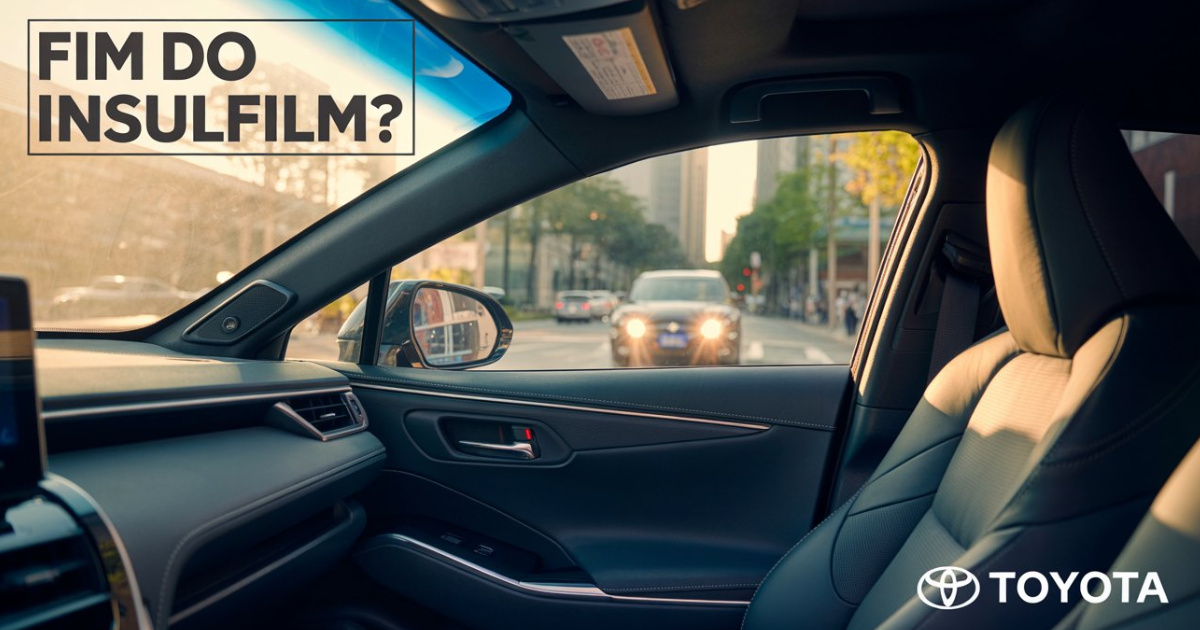
Toyota Presents Innovation In Automotive Glass With Electrochromic Technology That Promises To Revolutionize Comfort, Privacy And Safety In Luxury Vehicles. The New System, Already Present In The Century SUV, Eliminates The Need For Traditional Tint.
The New Electrochromic Technology Is Set To Retire The Use Of Automotive Films And Redefine The Standard Of Comfort And Privacy
Toyota Has Announced A Technological Innovation That Could Forever Change The Way We Interact With Car Windows.
With The Introduction Of Electrochromic Glass That Darkens Automatically, The Japanese Automaker Aims To Completely Retire Traditional Tint.
-
New Honda HooRide 125 scooter debuts in China with ADV styling, 17-inch wheels, TFT panel, Smart Key, and fuel consumption of up to 47.17 km/l, aiming to resemble an urban X-ADV with a 125 engine, CVT transmission, and an economical proposal for cities.

-
Volkswagen focuses on ethanol and tests a Saveiro 100% alcohol-powered with a recalibrated engine; the project may ensure tax reduction, targets corporate fleets, and revives technology that lost ground since the arrival of flex-fuel vehicles in 2003.

-
Keeping your foot lightly on the brake pedal while driving may seem harmless, but mechanics warn: this habit generates constant heat, wears out the pads too quickly, and can warp the discs, making braking expensive and dangerous.

-
The YouTuber Mark McCann bought a Bugatti Veyron for almost $1.2 million, but discovered that the supercar’s gearbox is so damaged that even Bugatti itself won’t accept to repair it, and the repair could cost a fortune.



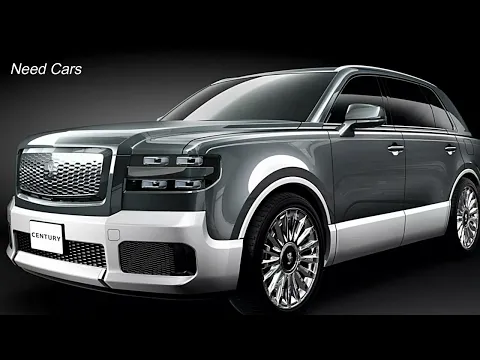
This Smart Technology Officially Debuts In The Century, The Brand’s Luxury SUV, And Brings A Bold Proposition: To Provide More Visual Comfort, Safety, And Privacy, Without Compromising The Vehicle’s Aesthetics.
Inspired By Systems Already Used In Anti-Glare Rearview Mirrors, The Electrochromic Technology Uses Light Sensors To Detect High Beams And Other Sources Of Excessive Brightness.
When These Conditions Are Identified, The Glass Darkens Automatically, Blocking Glare And Offering A More Comfortable And Safe Driving Experience.
As Soon As The Intense Light Disappears, The Glass Returns To Its Original State, Maintaining Ideal Visibility Even In Low-Light Environments.
This Functionality Provides An Efficient Solution To A Growing Demand From Modern Consumers: Smart Comfort With Refined Design.
By Eliminating The Need For Manually Applied Dark Films, The System Also Enhances The Internal And External Finishing Of The Car, Keeping The Look Cleaner And More Elegant, Something Especially Valued In The Premium Segment.

How Does The Electrochromic Glass Work?
The Secret Of The New Intelligent Window Lies In An Electrochromic Gel Applied Between Two Layers Of Glass.
This Material Reacts To Electrical Stimuli Controlled By Sensors, Allowing The Glass To Darken Or Lighten In Real Time.
The Change In Tint Is Smooth And Quick, Ensuring Comfort For Passengers Without Delays Or The Need For Manual Activations.
Similar Technologies Are Already Seen In Some Boeing Planes, Such As The 787 Dreamliner, Which Allows Passengers To Darken The Windows At The Touch Of A Button.
Now, The Automotive Industry Adopts This Same Principle With A Focus On Safety, Sophistication, And Driving Experience.
Additionally, Since The System Is Automated, It Does Not Depend On The Actions Of The Driver Or Passengers, Reducing Distractions During The Journey.

Gentex Leads Innovation In The Automotive Sector
The Developer Of This Technology Is The American Gentex Corporation, A Company Specializing In Intelligent Rearview Mirrors And Advanced Visibility Systems.
Recognized For The Quality Of Its Products In Luxury Vehicles, Gentex Has Expanded Its Portfolio And Is Now Heavily Investing In Electrochromic Solutions For Windows.
The Partnership With Toyota Represents A Strategic Step To Position The Company As A Reference In Cutting-Edge Automotive Innovation.
According To Gentex, The Goal Is To Expand The Use Of Electrochromic Glass In Models With Advanced Driver-Assistance Systems (ADAS), Rearview Cameras, And Head-Up Displays (HUDs), Creating An Integrated Ecosystem That Combines Technology, Safety, And Aesthetics.
This Integration Should Also Benefit Vehicles With Autonomous Functions, As The Windows Will Be Able To Automatically Adapt To The Needs Of The External Environment.
The Century SUV As A Showcase Of Innovation
Initially Launched In 1967 As A Luxury Sedan For Japanese Executives And Authorities, The Toyota Century Gained An SUV Version In 2023, Aimed At Discerning Customers Seeking An Alternative To Traditional European Luxury Models, Such As Mercedes-Benz And BMW.
Focusing On The Japanese Domestic Market, The New Century Features A Series Of Comfort Features, Including Reclining Rear Seats, High-Quality Soundproofing, And Now, Intelligent Windows With Automatic Darkening.
The Choice Of This Model To Receive The Electrochromic Technology Is Not Random.
The Toyota Intends To Use The Century As A Demonstration Platform For Premium Features That Will Eventually Be Incorporated Into The Brand’s More Accessible Vehicles As Part Of Its Electrification And Digitalization Strategy.

Privacy And Safety First
In Addition To Visual Comfort, The Electrochromic Window Meets A Growing Need For Privacy Without Compromising Legality.
Many Drivers Opt For Dark Films To Keep The Interior Of The Vehicle More Private, But They Face Restrictions Imposed By Local Legislation.
With The New Technology, The Glass Automatically Adapts To Ambient Conditions, Avoiding The Need To Apply Films That May Be Prohibited Or Generate Fines.
In Brazil, For Example, The Use Of Tint Is Regulated By The National Traffic Council (Contran), Which Defines Transparency Limits For The Front And Rear Windows.
With The Electrochromic Glass, The Adaptation Occurs In Real Time, Respecting The Levels Of Brightness Permitted By Law And Ensuring Greater Peace Of Mind For The Driver.
The Future Of Smart Cars
Although Still Present Only In Luxury Models Such As The Century, The Expectation Is That Automatic Darkening Window Technology Will Become The Standard In The Coming Years.
With The Advancement Of Artificial Intelligence In Vehicles, The System Could Be Integrated With Climate And Traffic Sensors, Making It Even More Accurate And Personalized.
Gentex Is Already Working On System Improvements, Including The Possibility Of User Customization Of Opacity And Integration With Built-In Virtual Assistants.
This Trend Aligns With The Search For Cars That Are Increasingly Connected, Autonomous, And Comfortable, Where The Passenger Experience Is As Important As Engine Performance.
For Automotive Technology Enthusiasts, The Replacement Of Tint With Intelligent Glass Is Just One Of The Many Advances To Come.
Windows That Adapt To Light, Mirrors That Eliminate Blind Spots, And Instrument Panels With Augmented Reality Are Already A Reality In The Most Sophisticated Models And Are Expected To Become Increasingly Common.
The End Of Tint Is Near?
Although Tint Remains Present In A Large Portion Of The Cars Sold Nowadays, The Arrival Of Electrochromic Glass Marks The Beginning Of A New Era In Automotive Design.
The Promise Of Comfort, Safety, Legality, And Sophistication Could Make This Technology Indispensable In The Coming Years, Especially In An Increasingly Competitive Market.
For Toyota, This Innovation Represents An Important Step In Its Mission To Offer Smarter, More Sustainable Vehicles Tailored To The New Demands Of Consumers.
And For The Public, It Could Be The Beginning Of A Completely New In-Car Experience, Where Every Detail — Including The Windows — Transforms Into Technology Serving Well-Being.




-

2 people reacted to this.