






 Portuguese
  Spanish


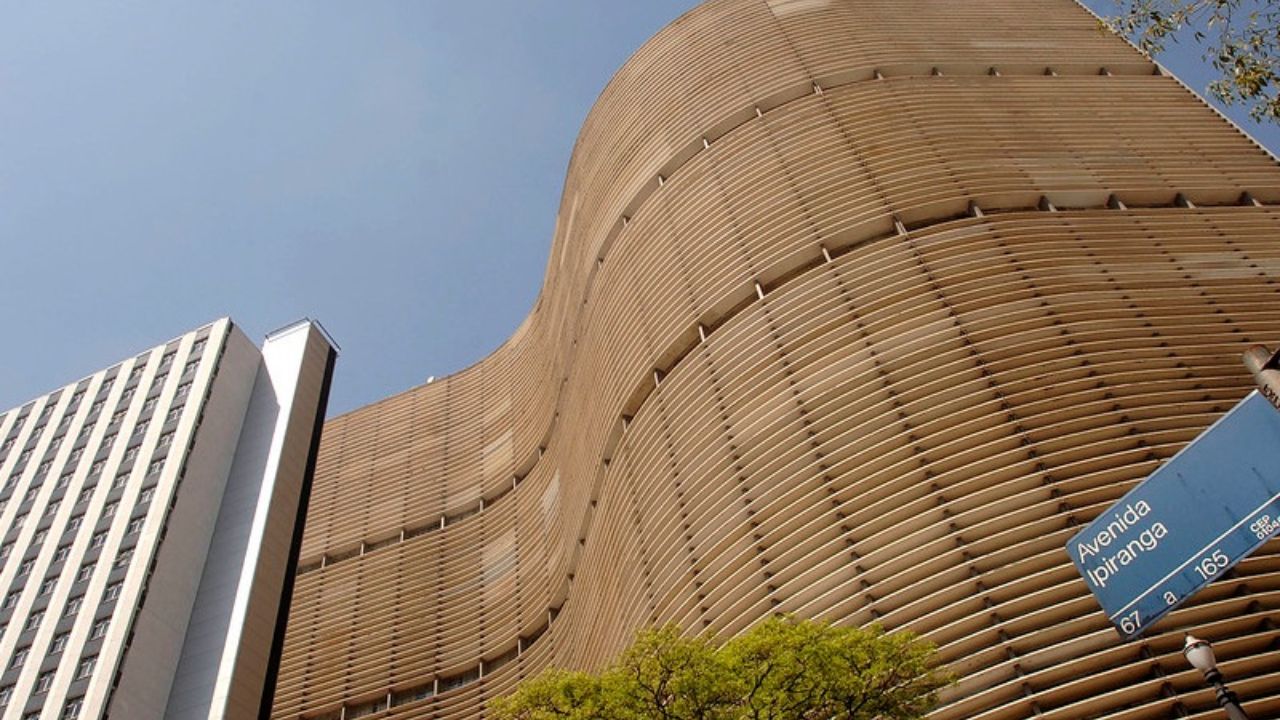


With 1,160 Apartments and Its Own ZIP Code, the Iconic Giant Shaped Like an “S” Designed by Niemeyer Functions as a Self-Sufficient Vertical City in Downtown São Paulo.
An Icon of Modern Architecture that Pierces the Sky of São Paulo, the Copan Building is Much More than a Residential Building: It is a Giant Shaped Like an “S” that Functions as a True Vertical City. Located in the Center of the Capital, the Monumental Complex Houses a Population of 5,000 People, Has 1,160 Apartments, and Even Has a Exclusive ZIP Code, Reflecting Its Colossal Scale.
Originally Conceived by Oscar Niemeyer as Part of the Celebrations for the City’s Fourth Centenary, the Copan has Become a Microcosm of the Metropolis. Its Curvy Structure and Its Famous Gallery on the Ground Floor Are Not Just Visual Landmarks, but the Epicenter of a Vibrant Social and Commercial Ecosystem that Defines the Identity of Downtown São Paulo.
The Original Vision: A Brazilian “Rockefeller Center”
The Initial Project for the Copan, Designed by Oscar Niemeyer in 1951, was Even More Ambitious than the Structure We See Today. According to the Itaú Cultural Encyclopedia, the Inspiration Came from American Mixed-Use Complexes, such as the Rockefeller Center in New York. The Idea Was to Create a Large Urban Center, Uniting Housing, Commerce, and Leisure in One Superstructure.
-
A fossil kept for years in a small museum in Montreal concealed 450-million-year-old soft tissue, a discovery that has only happened once before in history.

-
Engineers spend a decade building a $2.3 million bridge, but the project features a surreal curve, becomes a joke, and ends with seven suspended.

-
7-year-old boy acts without hesitation and saves his 1-year-old brother from drowning in the family pool in Texas: the boy’s courage impressed the sheriff and he may now receive an official police commendation.

-
The forgotten Atari stock that seemed like something out of a movie: millions of sealed cartridges were buried underground and were sold for very low prices.




The Itaú Cultural Encyclopedia Details that the Original Plan Included Two Buildings: the Curvy Residential One that Was Built and a Second Rectangular Block that Would House a Luxury Hotel. Niemeyer’s Vision, Influenced by Concepts from Le Corbusier, Was to Create a “Self-Sufficient ‘Neighborhood Unit'”, with Everything within Reach of the Residents.
However, the Building’s Journey Was Turbulent. After the Bankruptcy of the Main Investor, the National Real Estate Bank (BNI), the Project was Halted and Resumed Years Later by Banco Bradesco. This Change Led to the Abandonment of the Hotel Idea, and the Focus Shifted Exclusively to the Residential Block, which was Altered to Include Many More Small Apartments, Such as Studio Apartments, Ensuring Commercial Viability. Niemeyer Himself Distanced from the Work, Dissatisfied with the Pragmatic Changes to His Original Artistic Vision.
The Colossal Numbers of the Vertical City
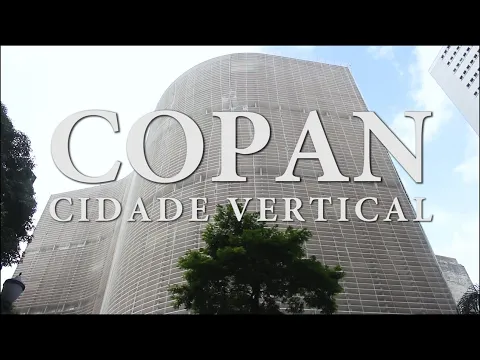

The Magnitude of the Copan is Best Understood Through Its Numbers, which Resemble Those of a Small City. According to the USP Journal, the Building has an Impressive Constructed Area of 120,000 Square Meters and Reaches a Height of 115 Meters. This Colossal Structure Houses Exactly 1,160 Apartments, Divided into Six Independent Blocks.
The Infrastructure Needed to Keep This Giant Shaped Like an “S” Functioning is Equally Vast. The USP Journal Estimates that About 5,000 People Reside in the Complex, a Population Larger than That of Many Brazilian Municipalities. To Meet This Demand, the Building Has More than 20 Elevators, 72 Stores on the Ground Floor, and a Team of Over 100 Employees Dedicated Solely to the Administration and Maintenance of the Condominium.
The Official Recognition of This Scale Came in the Form of an Exclusive Postal Code (ZIP Code): 01046-925. This is Not a Mere Detail, but an Administrative Confirmation that the Copan Operates at the Scale of a Neighborhood, Requiring Its Own Postal Identity to Manage the Flow of Mail and Packages.
Life in the Gallery: The Social Ecosystem of the Copan
If the Apartments are the Body of the Copan, the Gallery on the Ground Floor is Its Pulsating Soul. The Commerce Diary Describes This Space as a Self-Sufficient Ecosystem that Allows Residents to Have Many of Their Daily Needs Met Without Having to Leave the Complex. The Gallery Houses Dozens of Establishments (About 72), Forming a Vibrant and Diverse Commercial Center.
The Mix of Stores Reflects the Diversity of the Building Itself, Including Renowned Restaurants, Traditional Cafés, Bookstores, Beauty Salons, Laundries, and Even a Famous Video Rental Store, a Haven for Movie Lovers. As Reported by the Commerce Diary, the Gallery Promotes a Unique Coexistence Between Merchants of Different Generations and Residents, Functioning as a True Covered Public Street that Also Attracts External Visitors.
This Integration Was a Fundamental Design Decision. The Itaú Cultural Encyclopedia Points Out that Niemeyer’s Choice to Place the Commercial Area at Street Level, Fully Open to the City, Was What Set the Copan Apart. Instead of Isolating Itself, the Gallery Functions as an Urban Artery, Forcing Interaction Between Residents and Passersby and Ensuring that the Building Remains Deeply Connected to the Dynamism of Downtown São Paulo.
A Protected Legacy and Cultural Symbol
More than Half a Century After Its Official Inauguration in 1966, the Copan has Transcended Architecture to Become a Cultural Symbol of São Paulo. In 2012, the Building was Listed by CONPRESP (Municipal Council for the Preservation of Historical Heritage), Guaranteeing Legal Protection for Its Iconic Facade of Brise-Soleils and Its Original Features.
Its Unique Shape and the Complexity of Its Internal Life Have Made It a Character in Films, Documentaries, and Even Album Covers, Such as “Cores e Valores” by Racionais MC’s. The Copan is Not a Relic of the Past; It is a Living Organism that Continues to Define the Identity of the Metropolis, Housing a Social Diversity that Reflects São Paulo Itself, from Students and Artists to Traditional Families and Freelancers.
The Copan is Proof that Architecture Can Create a City Within Another. But What About You, How Do You See Life in This Icon? Would You Live in a Building with 5,000 Neighbors and a Complete Commercial Gallery on the Ground Floor? What is Your Favorite Story About This Giant Shaped Like an “S”? Leave Your Opinion in the Comments, We Want to Know How You Perceive This Landmark in São Paulo.





Adorei essa reportagem 😍
Eu não moraria no copan. Trabalhei na Mesbla na rua 24 de maio por 23 anos, e passei muitas vezes lá. Acho maravilhoso atrás do edifício Itália que é outra obra monumental. Sou paulistano nascido próximo daí na Santa Casa de misericórdia na vila Buarque e adoro essa parte do centro de nossa cidade. Que o copan tenha muitos anos de vida.