Portuguese
  Spanish


SS United States: Legendary Transatlantic Liner to Be Transformed into Artificial Reef and Receives Historic Farewell.
After nearly three decades rusting in anonymity, the majestic SS United States is set to receive a farewell worthy of its grandeur. At 301 meters long and with a glorious past, the ship will be transformed into an artificial reef off the coast of the United States, offering a new ecological and tourist purpose to what was once the largest and fastest ship built in the country.
The initiative is seen as a milestone in the preservation of North American naval history and the sustainable repurposing of abandoned structures. The project also includes the construction of a museum and visitor center, ensuring that future generations will come to know the legacy of this giant of the seas.
SS United States: Built to Be Unmatched
The SS United States was not just any transatlantic liner. Built during the height of the Cold War in 1952 at Newport News Shipbuilding in Virginia, it symbolized the technological and strategic power of the United States.
-
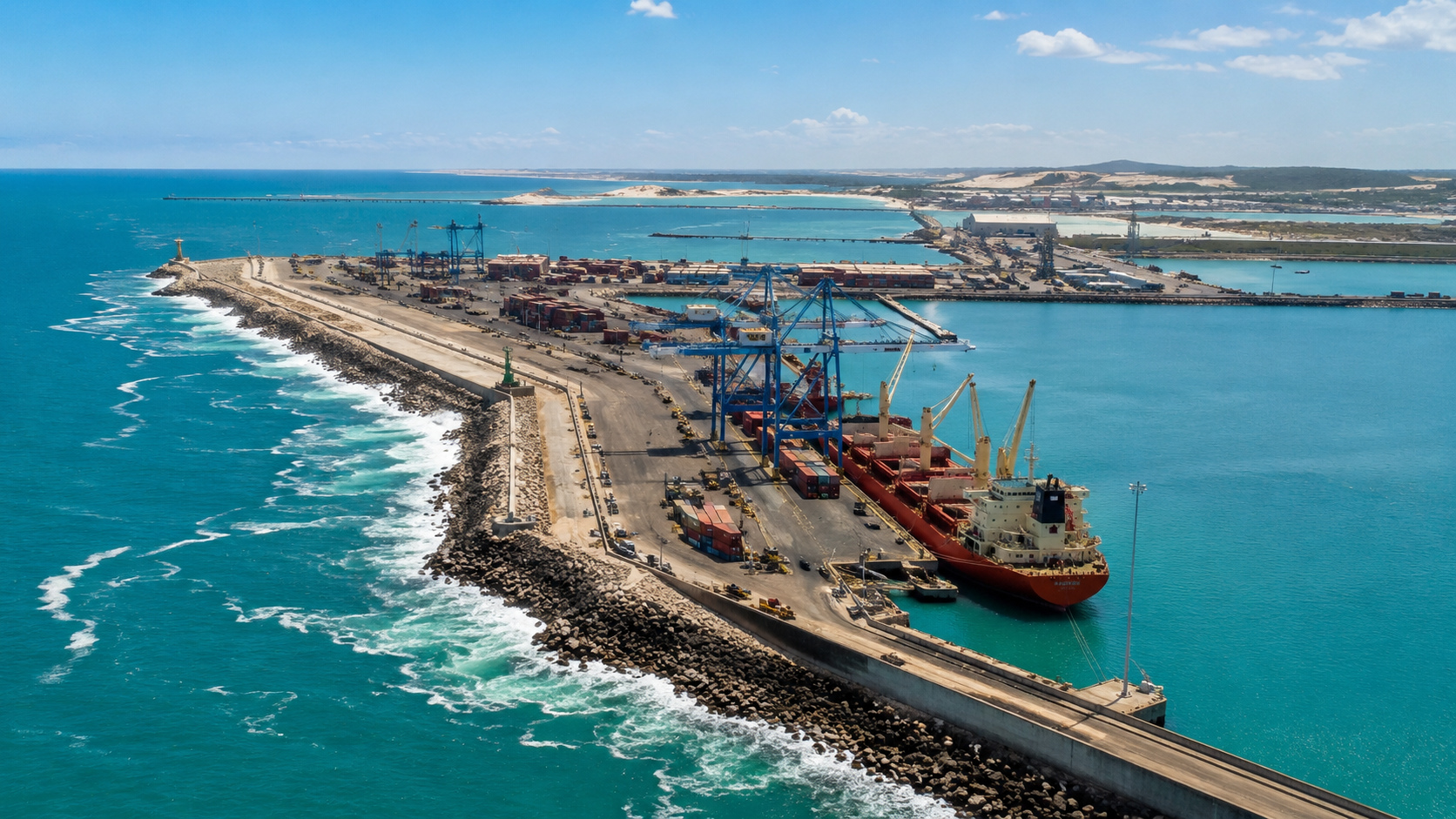
Petrobras Secures $2.2 Billion Contract to Build and Operate Four Support Vessels for Brazil’s Offshore Oil Fields

-
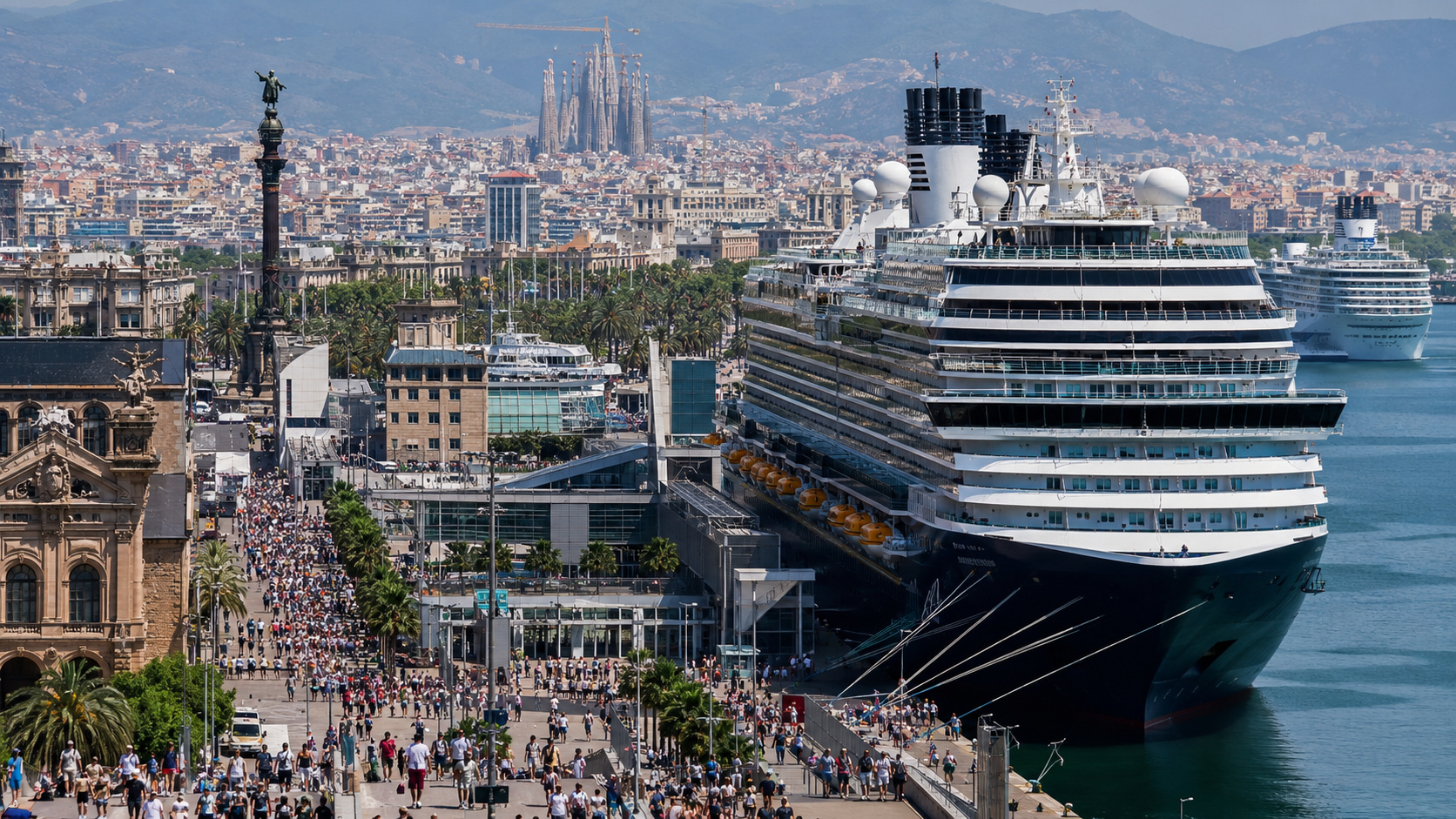
While many ports want to grow, Barcelona has decided to do the opposite and will cut cruise terminals from 7 to 5 after pressure from residents, protests, and crowds.

-
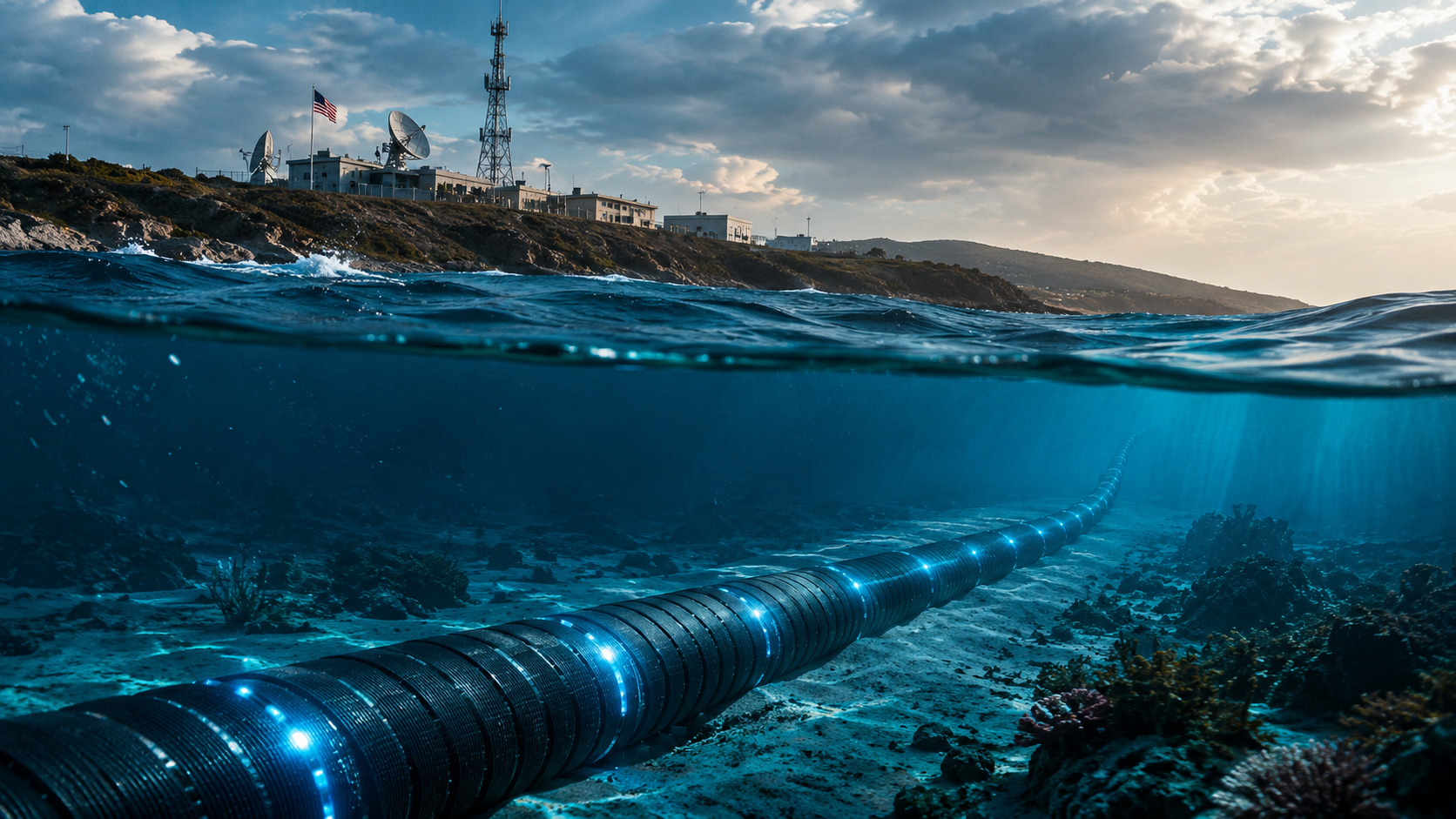
The United States wants to tighten control over submarine cables that carry 99% of international internet, silently cross oceans, total more than 400 routes worldwide, and have become a strategic piece in the competition for data, technology, and suppliers.
-
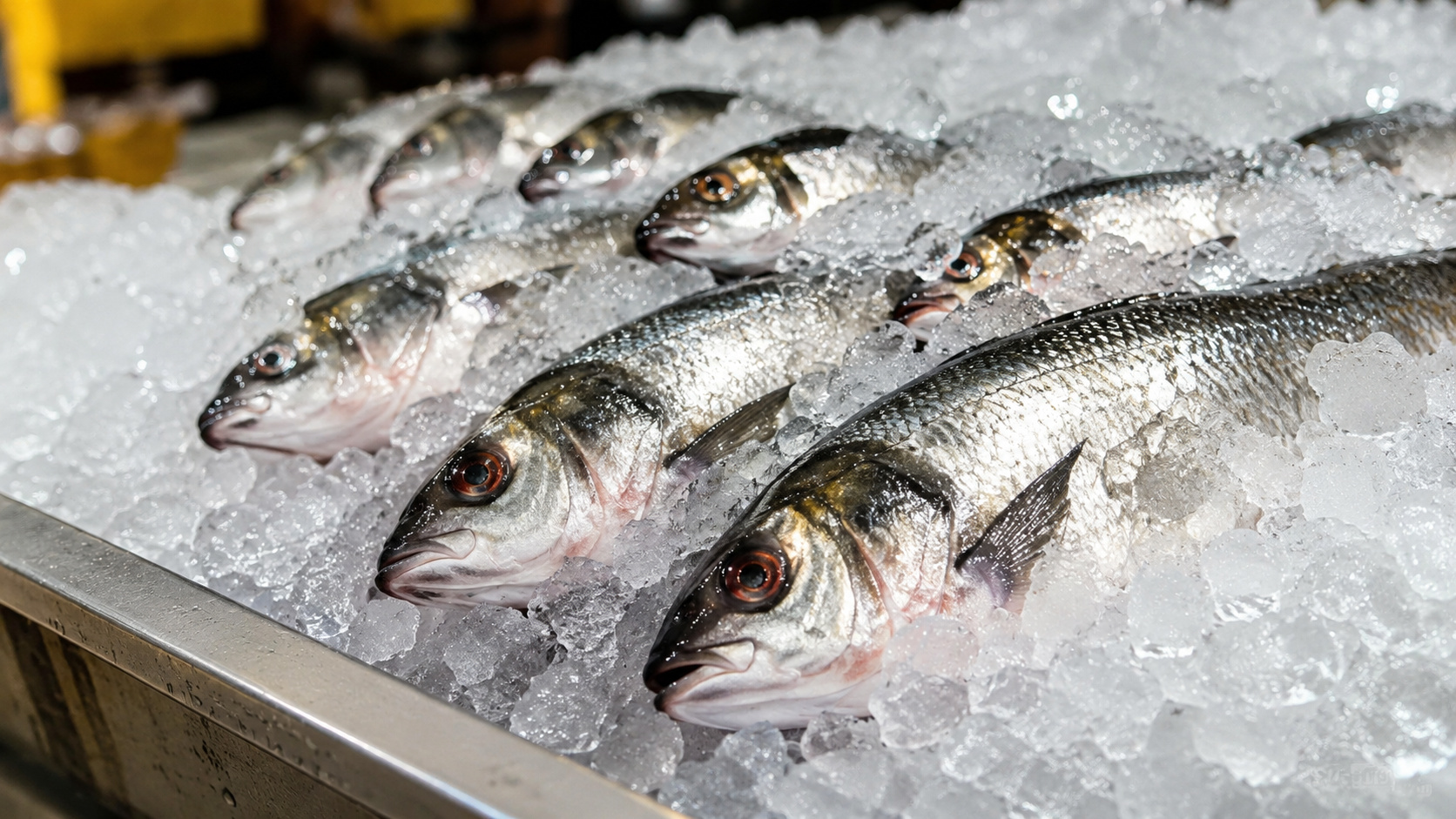
European Union looks again at Brazilian seafood after a nearly 8-year ban and may unlock a coveted market for lobster, tuna, tilapia, and shrimp.

With a total investment of 78 million dollars — 50 million of which were financed by the U.S. government — the ship was designed with military use in mind, capable of transporting up to 15,000 soldiers in case of emergency.
Although it was never used for military purposes, the SS United States was a true marvel of naval engineering. Capable of reaching impressive speeds of up to 70.97 km/h (38.38 knots), it easily surpassed modern cruise ships.
Its range was equally impressive: it could travel over 18,500 kilometers at a constant speed of 64 km/h, making it ideal for long transatlantic crossings.
Records and Glories in the Atlantic
On its maiden voyage in 1952, the SS United States set a historic record by crossing the Atlantic in just three days and ten hours — both outbound and return.
This feat not only solidified its reputation as the fastest of its time but also reinforced national pride among Americans, particularly during times of geopolitical tension.
Between 1952 and 1969, the ship carried thousands of passengers, including celebrities, politicians, and business leaders, becoming a symbol of luxury and innovation.
While the Titanic is more commonly remembered by the general public, many experts believe that the SS United States had a more impressive, though less tragic, journey.
Despite all its glory, the SS United States could not withstand the rise of commercial aviation. By the late 1960s, with the popularity of transatlantic flights, it became economically unfeasible to keep a large transatlantic liner in operation. In 1969, it was officially retired.
In the following years, the ship was moved from port to port, changing owners and facing projects that never came to fruition. Ideas to convert it into a luxury hotel, casino, or floating museum were plentiful, but all failed due to financial and logistical issues.
In 1996, it was permanently docked in Philadelphia, where it remained, practically forgotten, until recently.
Final Destination: An Reef on the Ocean Floor
Now, the SS United States prepares for its final and most symbolic mission: to become an artificial reef, promoting marine life and attracting divers from around the world.
Towed in March of this year, the ship traveled approximately 3,000 kilometers to reach the coast of Mobile, Alabama, where it awaits its definitive immersion, scheduled for 2026.
The operation is being coordinated by the SS United States Conservancy, which has taken possession of the transatlantic liner and is working on creating a permanent memorial on the coast, with a museum and visitor center.
Discover the SS United States