





 Portuguese
  English
  Spanish
  3 min of reading
  0 comments


Iran Plans to Launch Three Indigenous Remote Sensing Satellites into Orbit, Marking a Leap in the Space Sector
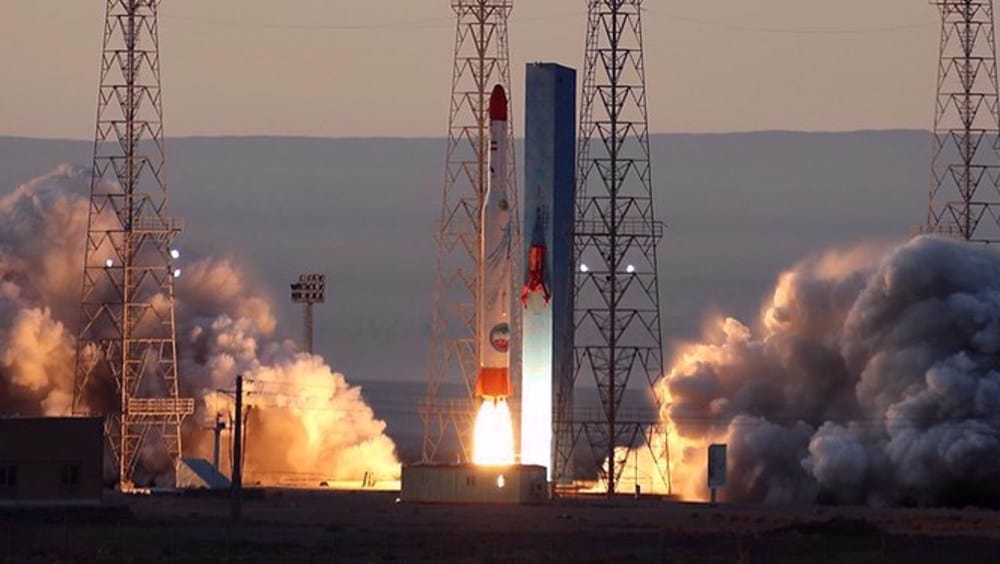
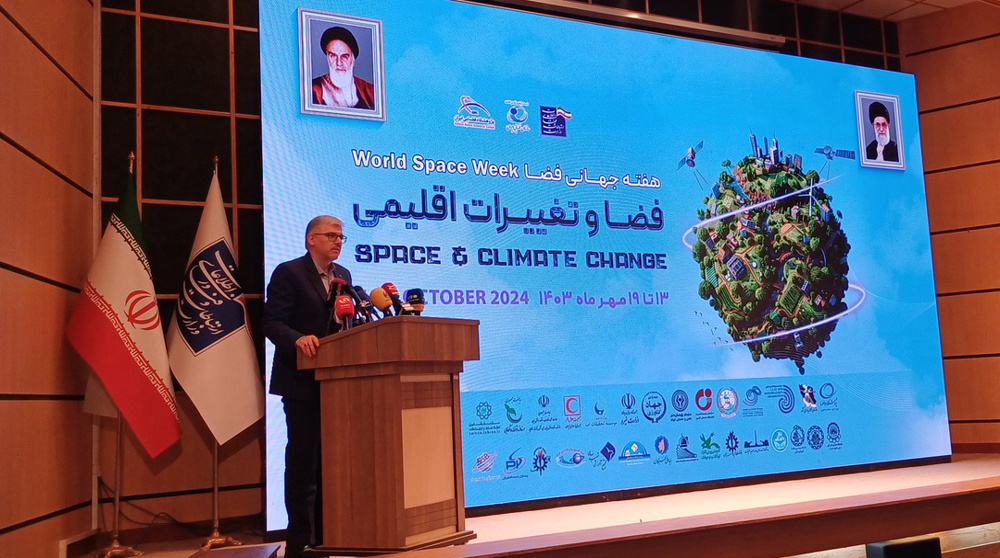
The Iran plans to launch three indigenous remote sensing satellites by the end of the Iranian calendar year, on March 20, 2025. The announcement was made by Hassan Salariyeh, head of the Iranian Space Agency (ISA), during the opening ceremony of World Space Week, held in Tehran last Saturday.
The satellites Kowsar, Tolo-3 (Sunrise-3), and Zafar-2 (Victory-2) will form an orbital constellation and work together for Earth observation.
This project represents an Iranian advancement in Iran’s quest to establish itself as a space power. In addition to the planned launches, Salariyeh highlighted that the country put the research satellite Chamran-1 into orbit earlier this year.
-
Three teenagers surprise the world by creating a powder with tamarind seeds that removes microplastics from water, requires no electricity, and wins an international prize of $12,500 at The Earth Prize 2026.

-
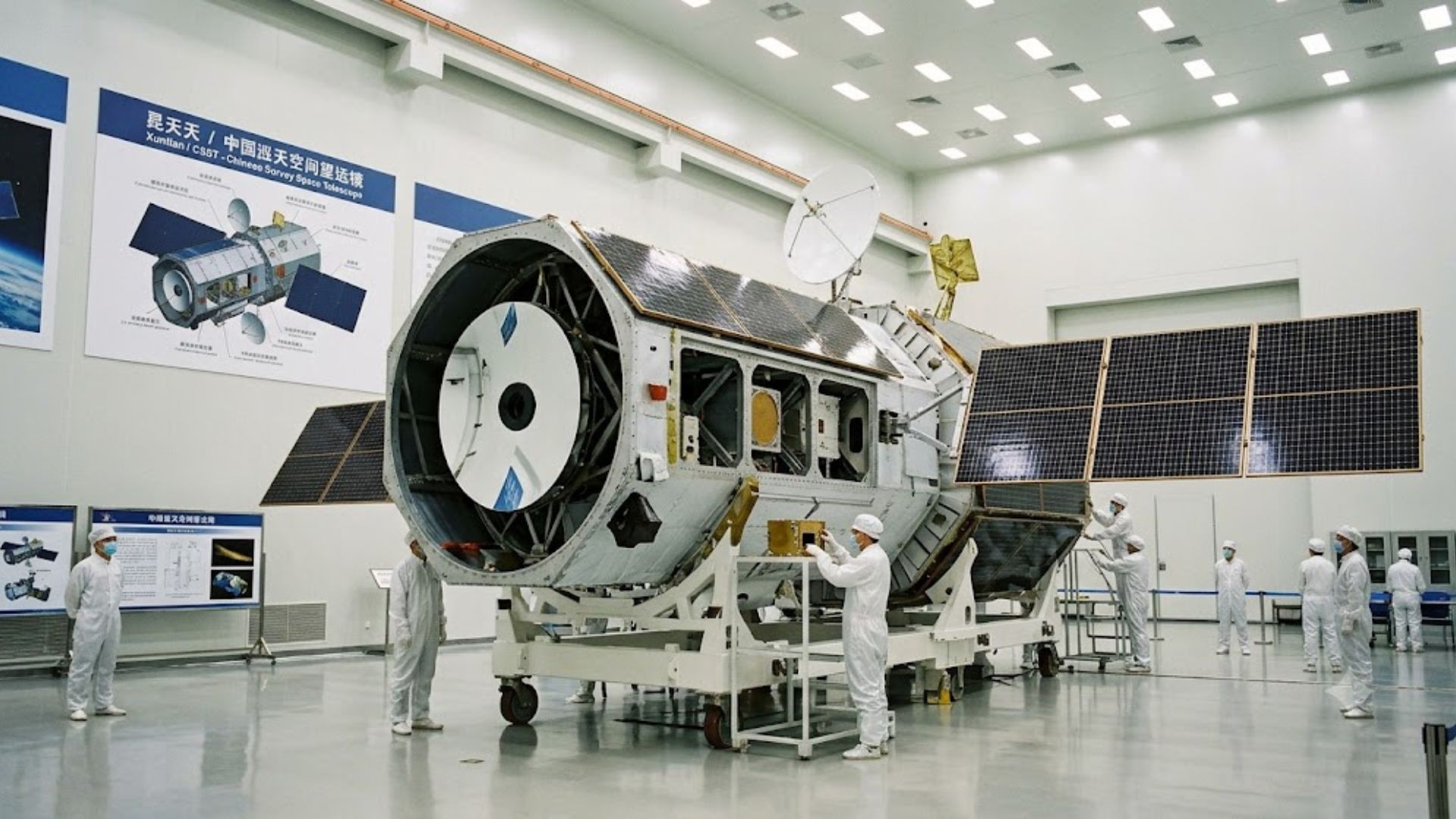
China prepares a “panoramic Hubble” with 2.5 billion pixels and a field of view 300 times larger: Xuntian will have a 2-meter mirror, resolution close to that of the American telescope, can dock at the Tiangong space station for maintenance, and promises to map 40% of the sky in a decade.

-
The deepest underground copper mine in Chile is digging deeper and deeper in search of the metal the world needs to electrify.

-
EMS launches Ozivy pen for R$ 452 and fully enters the weight loss battle that is driving pharmacies and patients in Brazil.




Objectives and Advances in the Space Program with the New Satellites
Among ISA’s future plans is the launch of the orbital transfer module Saman, another significant milestone for the Iranian space program.
Additionally, the agency is working in partnership with the private sector to develop a satellite system aimed at the Internet of Things (IoT).
This system will be able to receive and transmit data effectively, especially in disaster situations when terrestrial infrastructure may be compromised.
The technology promises to revolutionize how data is managed in critical moments, assisting in quick and accurate decision-making.
Salariyeh recalled that Iran officially entered the global space race in 2009 with the launch of its first domestically produced satellite, Omid (Hope).
Since then, the country has launched remote sensing satellites with resolutions ranging from tens to hundreds of meters.
These missions, conducted primarily by local universities, have helped consolidate Iran’s position as one of the leading countries capable of developing and launching satellites independently.
Iran and the Impact of Sanctions
Today, the country is among the ten nations in the world capable of developing and launching satellites. A recent example of this advancement was the successful launch of the research satellite Chamran-1 on September 14.
Placed in orbit at an altitude of 550 kilometers, the satellite was transported by a Qaem-100 space launch vehicle (SLV), both developed domestically. Within hours of the launch, Chamran-1 had already sent its first signals back to Earth, highlighting the mission’s success.
The satellite, which weighs approximately 60 kilograms, was developed by Iranian technicians at Iran Electronics Industries (SAIran), in collaboration with specialists from the Aerospace Research Institute (ARI) and private technology companies.
The primary mission of Chamran-1 is to test essential hardware and software systems to validate orbital maneuvering technology, a critical step for the development of future, more complex space missions.
Promising Future for the Iranian Space Sector
Iran’s trajectory in the space sector is remarkable, and the upcoming launches further reinforce the country’s commitment to excel in this area.
With the continuous development of communication and remote sensing satellites, equipped with increasingly advanced technologies, Iran is moving toward a prominent position in the global space arena.
The future of the Iranian space program promises even greater advances, driven by technological innovations and collaboration between the public and private sectors, solidifying the country as an emerging power in space exploration.






Be the first to react!