






 Portuguese
  Spanish
  3 min of reading
  1 comment


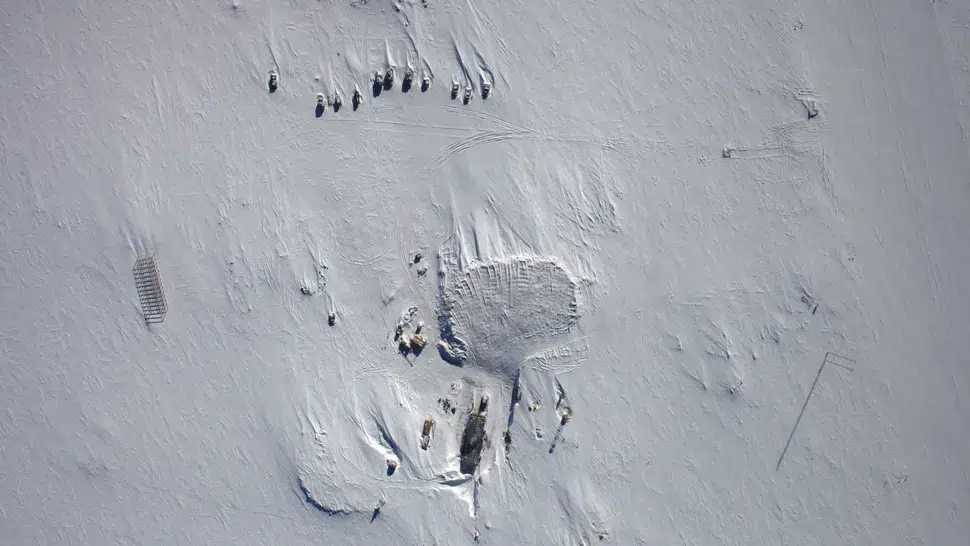


Under The Ice Of Eastern Antarctica, Lake Vostok Is An Isolated Reservoir Of Freshwater That Intrigues Scientists With Its Potential To Support Unique Life Forms.
Lake Vostok, located beneath a thick layer of ice in Antarctica, is one of the most isolated and intriguing environments on the planet.
Hidden more than 3 kilometers below the frozen surface, this subglacial lake has unique characteristics and hosts life forms adapted to extreme conditions.
Discovered in the 1960s, the lake remained unknown until a Russian geographer noticed, from an aircraft, an extensive area of flat ice.
-
Former coal mining area in the central United States receives nearly 17,000 solar panels generating 9.8 megawatts, serving over 650 subscribers and including about 200 low-income families without installing anything on rooftops.

-
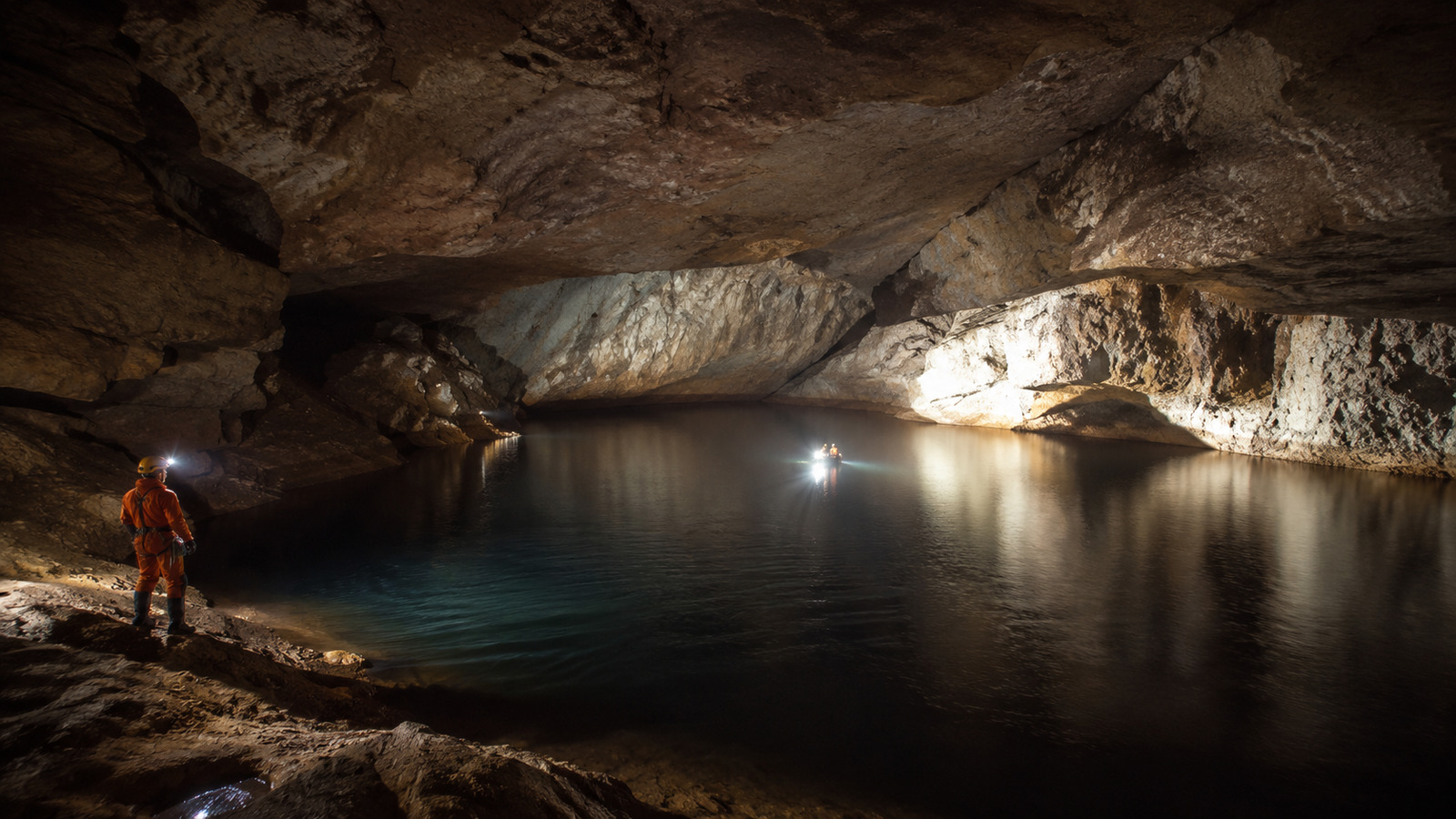
Hidden beneath a small entrance in Namibia’s underground, the largest underground lake in the world is the size of 2 football fields, 264 meters deep, and even has rare animals that survive without sunlight.

-
The industry relies on oil to manufacture plastic, but a 16-year-old girl used banana peels and managed to create a bioplastic after two years of attempts.

-
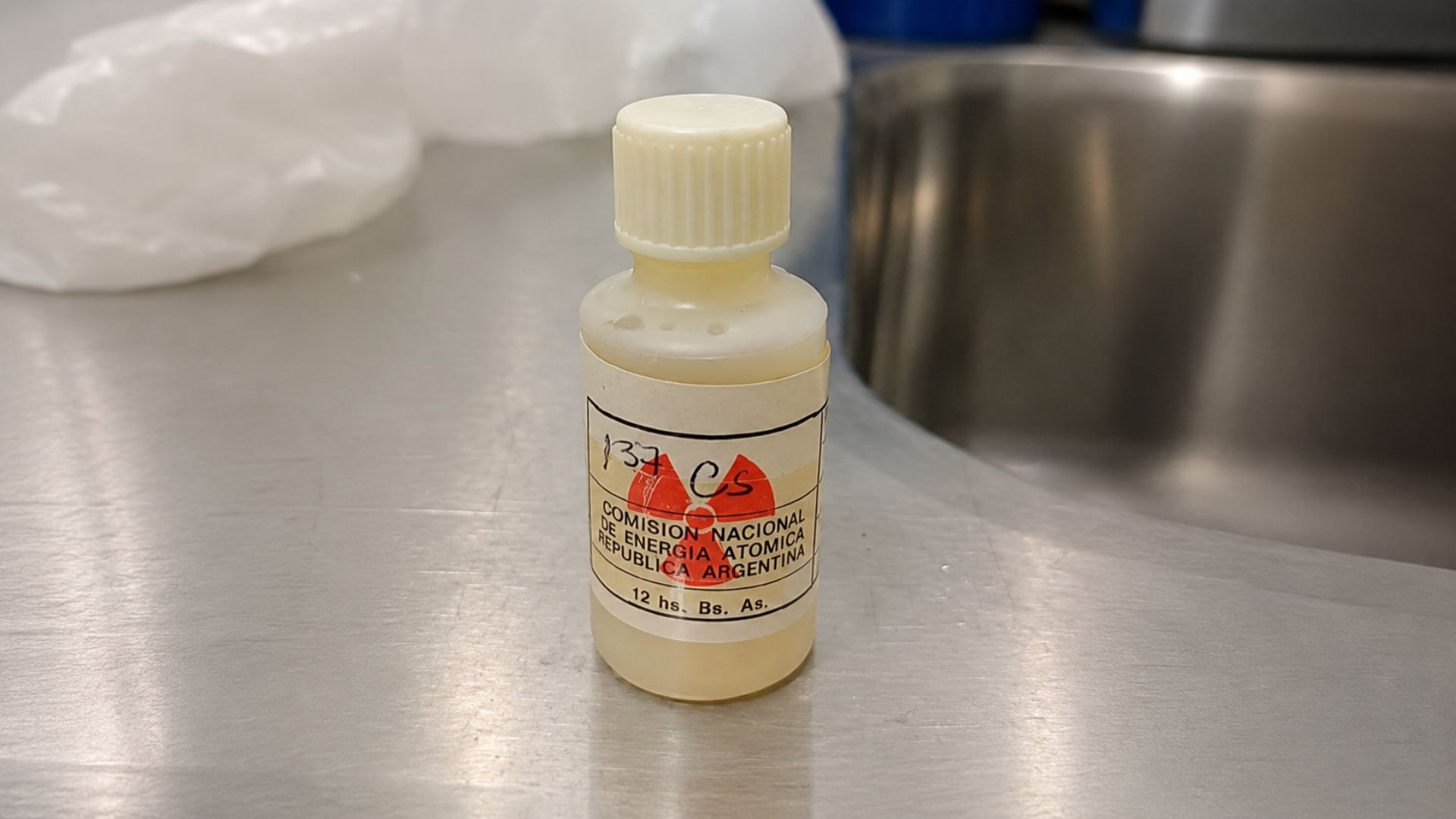
Argentina issues radiological emergency alert after theft of Cesium-137, a substance that can cause severe burns and death, and became famous in Brazil due to the Goiânia accident in 1987.


Confirmation came years later, in 1993, with the use of satellites capable of penetrating the ice. In 2012, Russian scientists managed to drill through the ice and reach the lake after years of attempts.
Dimensions And Characteristics
Lake Vostok has impressive dimensions: about 240 km long, 50 km wide, and up to 1 km deep. Its size is comparable to Lake Ontario in North America.
Unlike common lakes, its water has not received sunlight for at least 15 million years, creating an extreme ecosystem.
This water remains liquid even at temperatures of -3 °C. The secret lies in the pressure from the overlying ice layer, which reduces the freezing point.
Additionally, geothermal heat coming from the Earth’s depths helps keep the water in a liquid state.
Life In The Subglacial Lake
The prolonged isolation has turned Lake Vostok into a natural laboratory. Research indicates the presence of over 3,500 organisms, including bacteria, fungi, and even signs of marine life.
Many of these microorganisms are extremophiles, organisms that survive in conditions that would be fatal to other life forms. Some feed on minerals and chemical compounds, as the lack of light prevents photosynthesis.
Scientists believe that, in the past, Lake Vostok was connected to the ocean. The discovery of organisms with characteristics similar to marine species supports this hypothesis.
Moreover, the lake has a submerged ridge that may contain hydrothermal vents, similar to those found in the depths of the Pacific Ocean.
If confirmed, these vents could provide chemical energy to sustain life. The phenomenon is similar to what is observed in oceanic trenches, where bacteria feed on sulfur-rich compounds released by hydrothermal vents.
The study of Lake Vostok has relevance beyond Earth. The existence of life in such extreme conditions fuels hopes of finding similar organisms on icy moons in the Solar System, such as Europa, of Jupiter, and Enceladus, of Saturn.
Both have subglacial oceans with characteristics comparable to those of the Antarctic lake.
Challenges In Exploration
However, exploring Lake Vostok presents challenges. Drilling through the ice requires care to avoid contamination.
The environment is extremely sensitive, and the introduction of external microorganisms could alter its natural dynamics. Therefore, researchers use advanced techniques and sterilized equipment during expeditions.
The Vostok research station, located about 1,300 km from the South Pole, serves as a base for these investigations. The site is known for extreme temperatures, reaching −89 °C, one of the lowest ever recorded on Earth.
The future of research at Lake Vostok promises new discoveries about life in extreme environments and the geological history of Antarctica.
Understanding this subglacial ecosystem may provide clues about the conditions of other icy worlds and the resilience of life in the face of extreme adversity.
With information from livescience.





Eu tenho muitas imagens dessas civilização e da várias coisas da Antártida