Portuguese
  Spanish





Petrobras, Exxon, Chevron, and CNPC Secure 19 Blocks in Record Auction, but Judicial and Environmental Battle Puts the Largest Investment in the Region at Risk
In a historic auction held on June 17, 2025, the National Agency of Petroleum (ANP) raised R$ 844 million with the sale of 19 exploration blocks in the mouth of the Amazon basin. The intense competition among giants like Petrobras, ExxonMobil, Chevron, and the Chinese CNPC marked the largest joint investment ever made in the region, signaling the immense interest of the oil industry in this new and controversial frontier.
However, the financial success hides a high-risk reality. Exploration in the mouth of the Amazon faces strong opposition from environmentalists and a robust legal battle led by the Federal Public Ministry, threatening to halt the entire billion-dollar investment. The bet of the oil companies will determine not only their future but also the fate of one of the planet’s most sensitive areas.
The Numbers from the June 17, 2025 Auction
The 5th Cycle of the Permanent Grant Offer was a success for the government’s coffers, with a total revenue of R$ 989 million in signing bonuses, more than double the expected amount. The mouth of the Amazon was the main star, accounting for R$ 844 million, or 85% of the total value, with premiums reaching almost 3,000% over the minimum bid in some blocks.
-
OPEC+ Boosts Oil Supply by 188,000 Barrels per Day in July 2026, Leading to Price Drop from $112 to $89 per Barrel in Under Two Months

-
TotalEnergies Signs 20-Year Deal to Purchase 2 Million Tons of LNG from Alaska, Boosting Project Viability
-
Turkey Deploys Çağrı Bey Drilling Ship to Explore New Oil Frontier Off Somalia’s Coast
-
Golden Pass LNG Ships First Liquefied Gas Cargo from the U.S., Completing $10 Billion QatarEnergy and ExxonMobil Investment



In addition to the bonus, the winning companies committed to a minimum exploratory investment of R$ 1.45 billion just for the initial phase. The result shows the industry’s appetite for the region, even aware of the enormous regulatory and environmental challenges surrounding it.
The Oil Giants: Who Secured the Blocks in the Mouth of the Amazon?
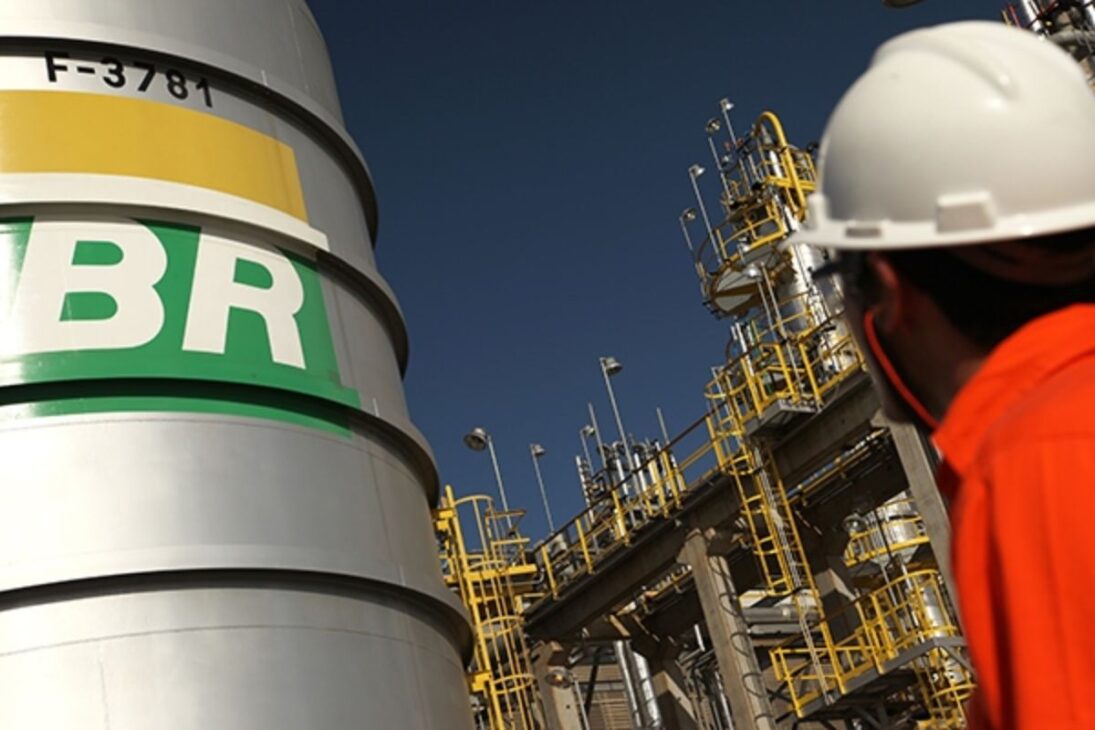
The competition for the 19 blocks was dominated by two heavyweight consortiums, formed by some of the largest energy companies in the world.
The first was a strategic alliance between Petrobras and the American ExxonMobil, which together secured 10 blocks. In a balanced partnership, each will operate five blocks, sharing risks and responsibilities.
The second consortium, formed by the also American Chevron and the Chinese state-owned CNPC, showed an even more aggressive appetite, securing 9 blocks and outpacing the Petrobras/Exxon competition in seven direct contests. The formation of these alliances is a common tactic to share the high costs and complexity of operating in ultra-deep waters.
A Disputed Frontier: The Judicial and Environmental Battle
The future of exploration in the mouth of the Amazon will be decided in the courts. Five days before the auction, the Federal Public Ministry (MPF) of Pará filed a lawsuit to annul the granting of the blocks. The main allegation is that the auction was illegal for failing to meet two essential prerequisites: conducting an Environmental Assessment of Sedimentary Area (AAAS) and the Prior, Free, and Informed Consultation (CPLI) with indigenous and quilombola communities in the region.
Environmentalists are concerned about the risk of an oil spill in a unique ecosystem, which houses the Great Amazon Reef System. The opposition is reinforced by the region’s history: Ibama has already denied drilling permits for Petrobras in a neighboring block, citing technical inconsistencies and unacceptable environmental risks.
And Now? The Uncertain Future of Exploration in the Mouth of the Amazon
With the auction completed, the ANP has a timeline to homologate the results and sign contracts with the winning companies by November 28, 2025. However, this process is under direct threat from the MPF’s lawsuit, which requested the immediate suspension of any act to formalize the granting of the blocks.
The companies find themselves in a limbo: they have invested hundreds of millions of reais in bonuses for assets they may never manage to exploit. The situation mirrors what happened in 2013, when other blocks in the same region were auctioned and, more than a decade later, remain stalled due to identical legal and environmental impasses. The outcome of this new battle will determine whether the history of paralysis in the mouth of the Amazon will repeat itself.