






 Portuguese
  Spanish
  2 min of reading
  0 comments


Discover the World’s Largest Solar Concentrator, ‘SG4 Big Dish’, Powering Hospitals in India with Clean Solar Energy. Learn More!
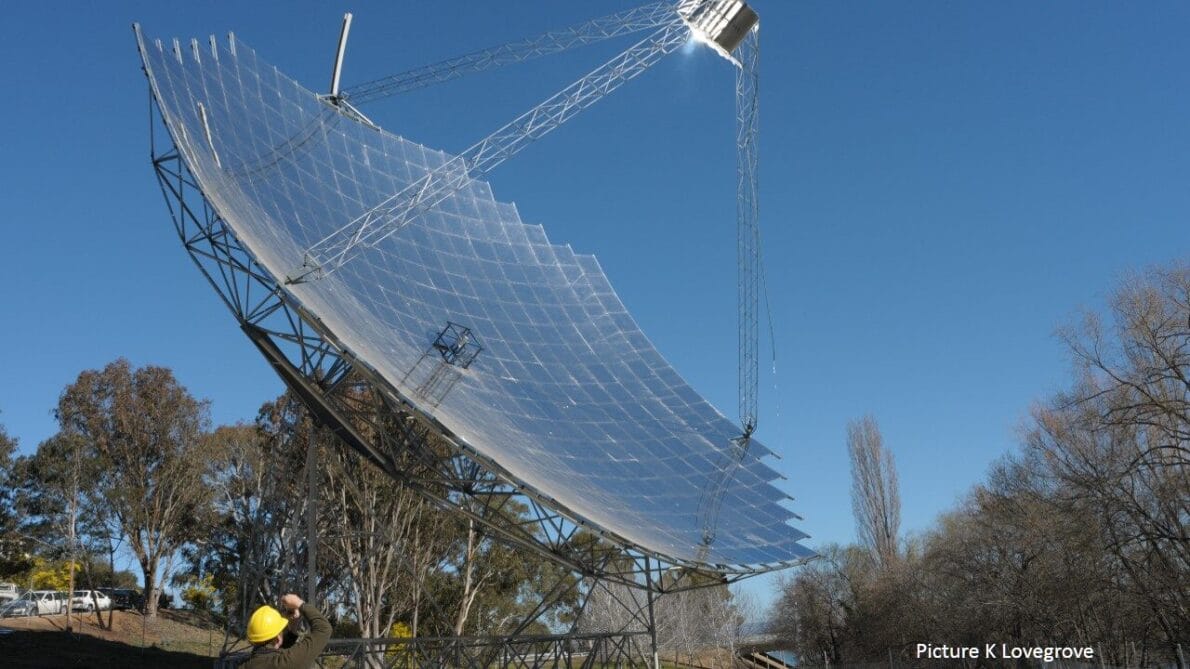
The world’s largest and most efficient solar concentrator has been installed in western India to power a hospital and a research center with generated solar energy. The impressive installation will produce steam for multiple applications, as well as electricity for air conditioning units.
To maximize the performance of irradiance, engineers are aligning the 26-ton concentrator with the sun’s trajectory, using data from Kipp & Zonen’s RaZON+ solar tracker.


The Technology Behind the Solar Giant
The concentrator, known as “SG4 Big Dish”, has an impressive reflective area of about 500 m², composed of 380 parabolic mirrors. These mirrors concentrate sunlight onto a thermal collector located at its focal point, which basically functions like a pot to boil water or other fluids.
-
Advancement in renewable energy: A R$ 150 million project launched by Petrobras and Finep aims to create state-of-the-art electrolyzers for green hydrogen, strengthening national research and preparing Brazil to compete in a billion-dollar energy market.

-
Illiterate or semi-literate grandmothers were trained to repair solar systems, open rural workshops, and light up homes that still depended on kerosene.
-
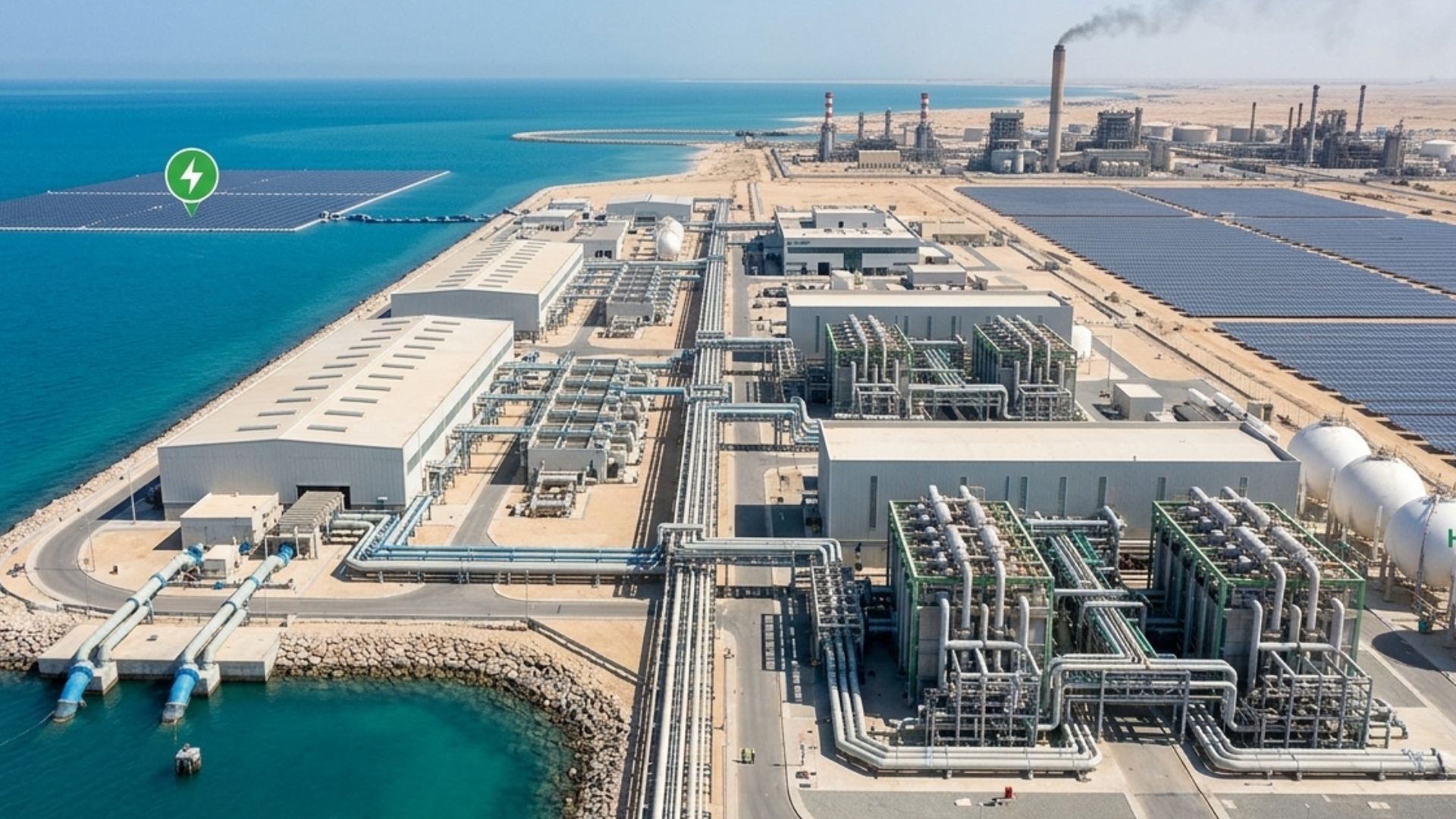
The world has bet on green hydrogen as the fuel of the future, but now faces the side effect: producing 1 kilogram requires about 9 liters of ultrapure water, and the largest projects on the planet are precisely in the driest regions of the Earth, where water is already scarce for people.

-
Africa has about 500,000 cell towers and most still burn diesel to operate, while companies rush to cover antennas with solar energy and avoid signal blackouts.



Maximizing Efficiency with Solar Tracking Technology
One of the keys to the success of this project is the precise tracking of the sun to harness the most solar energy, using Kipp & Zonen’s RaZON+ system from OTT HydroMet. This device allows the ‘Big Dish’ to align with the sun’s trajectory, ensuring maximum capture of direct solar irradiation.
The “SG4 Big Dish” is not only a technological marvel for its size and efficiency, but also for its tangible impact. It can generate 400 kg of steam per hour, sufficient to cook 2,000 meals a day, as well as meet the laundry and sterilization needs of the hospital. Furthermore, this steam is also used to generate electricity through a turbine.
Challenges and Solutions on the Path to Solar Energy
Despite the advances, there are challenges such as cloud movement, which can significantly affect the amount of solar radiation received, and consequently, the amount of solar energy generated. Therefore, it is crucial to have systems that monitor this phenomenon and adjust the operation of the concentrator according to these variations.
Choosing the Right Solar Tracking System
OTT HydroMet offers a variety of solar tracking systems, with the RaZON+ from Kipp & Zonen being a standout option for its reliability and accuracy. This system not only measures direct, global, and diffuse solar irradiation, but can also be expanded into a complete weather station.
This project represents not only a technological advancement but also a model to follow in the search for sustainable and efficient solutions to energy needs, harnessing solar energy. With initiatives like this, the path to a greener and more sustainable future becomes increasingly clear.
Source: sunrisecsp.com





Be the first to react!