Portuguese
  Spanish


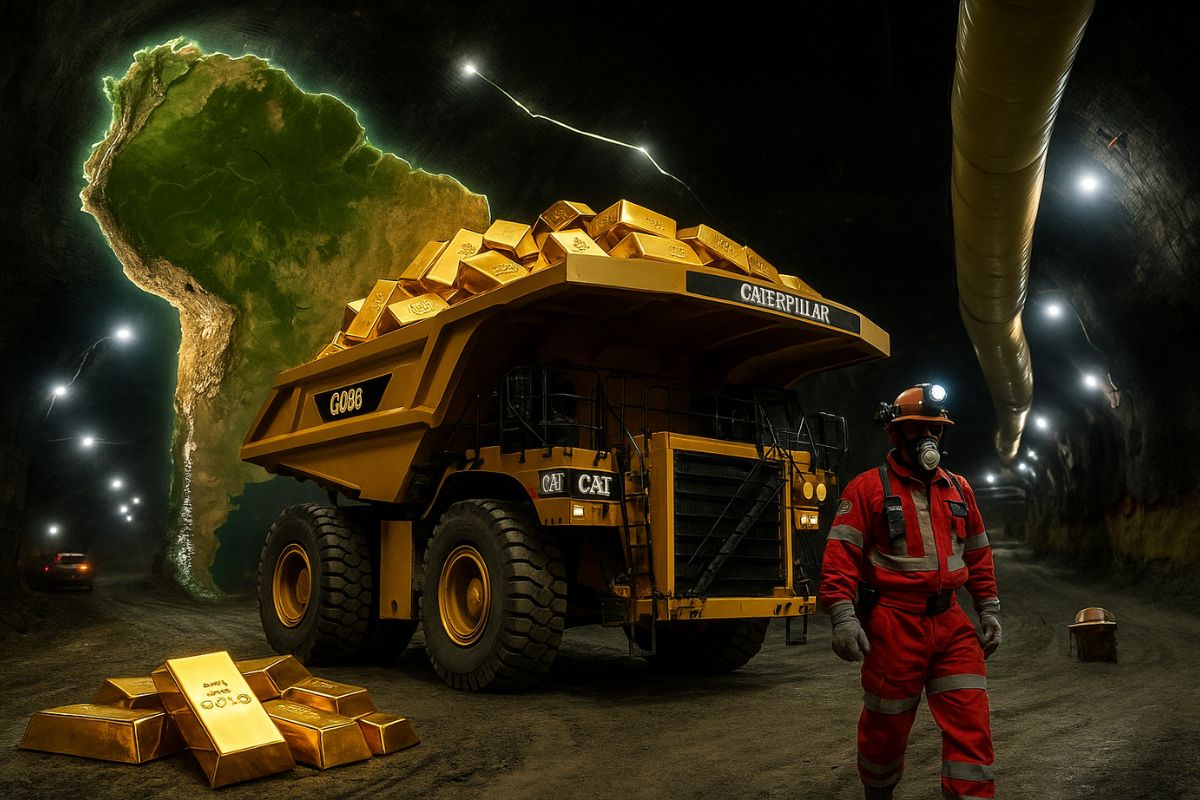


Honoring Its History, Minas Gerais Consolidates as the Largest Gold Producer in Brazil by Value, but Faces the Rise of Pará, a New and Thriving Mining Frontier in the Amazon.
The state of Minas Gerais, whose name and history are linked to mining, continues to be the largest gold producer in Brazil. The leadership, sustained by a mature industrial sector and some of the largest mines in the world, is confirmed by revenue and tax data, which place the state at the top of the national ranking.
However, this hegemony is challenged by the rise of Pará. The new mining frontier in the Amazon, driven by new projects and the strength of informal mining, is engaged in fierce competition for the title of largest producer by volume. The rivalry between the two states defines the present and future of gold production in the country.
Leadership in Numbers: Why is Minas Gerais Number 1?
The financial and fiscal data leave no doubt about the leadership of Minas Gerais. The state is the largest generator of wealth from mining in the country, accounting for 41.7% of all sector revenue in 2023.
-
China could reduce iron ore imports from 80% to 50% of consumption by 2030, while its share in global steel production falls from 52% to 46%, in a shift that could reshape the global market, says CMRG.

-
Brazil is sitting on one of the largest lithium reserves in the world, in the Jequitinhonha Valley, but national mining has almost become an appendage of China: 97% of the metal’s export goes to a single country, which also dominates refining.
-
Iron ore falls to 762 yuan in China as real estate sales decline and steel production hits lowest level since 2018
-
Brazil has minerals, clean energy, and a waiting market, but it could miss a billion-dollar opportunity if it doesn’t speed up the race for green minerals, while the steel industry seeks to reduce emissions.


When it comes to gold, the dominance is even clearer. In 2023, Minas Gerais was responsible for 44.3% of all royalty revenues (CFEM) on gold in Brazil, consolidating its position as the epicenter of formal and taxed production of the metal in the country.
The Giants of Minas: The Mega Mines that Support Production
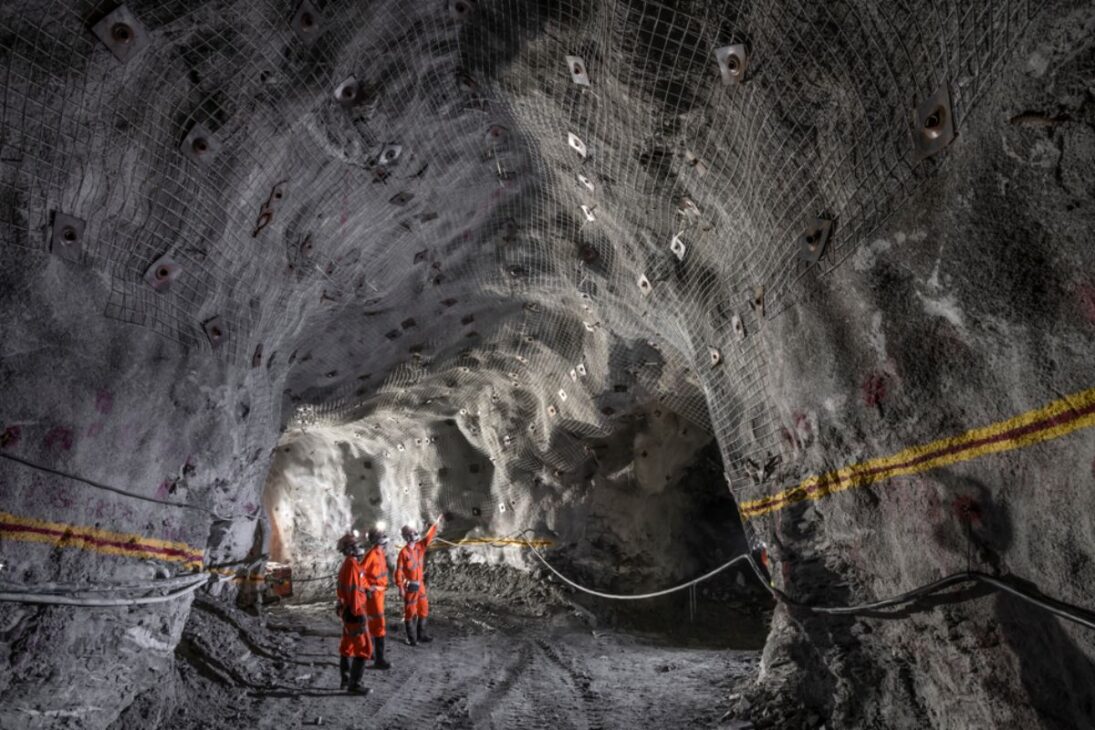
The mining leadership is not based on small operations, but rather on the concentrated production of global mining giants. Two companies, in particular, anchor the state’s production:
AngloGold Ashanti: Of South African origin, the company operates the Cuiabá Complex in the municipalities of Sabará and Caeté. In 2024, the operation was responsible for the production of around 7.7 tons of gold.
Kinross Gold: The Canadian company operates the Morro do Ouro mine in Paracatu. The operation is so massive that it alone accounts for approximately 22% of all gold production in Brazil, with a production that has already reached 17.6 tons in a single year.
The combined production of these two complexes alone exceeds 25 tons annually, more than one-third of Brazil’s industrial gold production.
Pará, the Challenger: The New Gold Frontier and the Strength of Informal Mining
Pará has established itself as the second-largest mineral power in Brazil, engaging in direct competition with Minas Gerais. The state is now one of the main destinations for investments in new gold mining projects.
An example is the Tocantinzinho project by G Mining Ventures, which produced its first gold in mid-2024 and is expected to become the third-largest mine in Brazil. Pará, however, has a characteristic that complicates volume comparisons: the strong presence of informal mining, both legal and illegal. The production from this activity, which is quite significant, is not always recorded in official statistics, which can mask the total volume of gold extracted in the state.
Two Mining Models: The Industry of MG Against the Frontier of PA
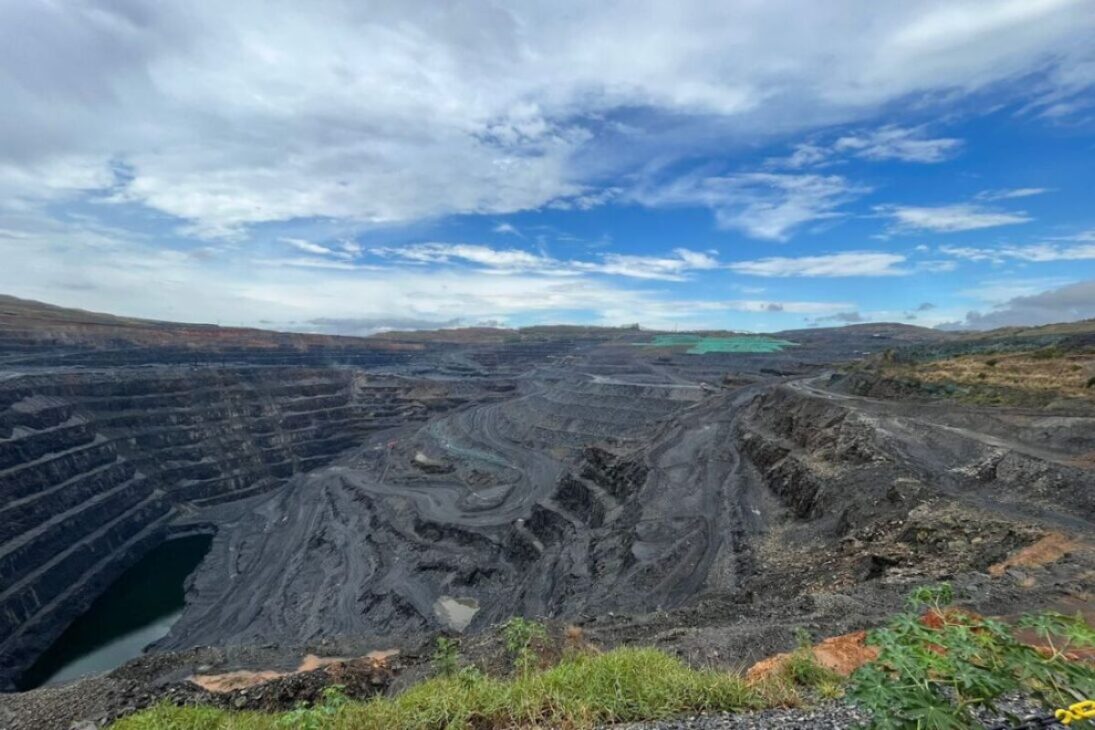
The race for leadership reflects two distinct mining models. Minas Gerais represents a mature industrial sector. Investments in the state focus on optimizing and extending the life of mines that have existed for decades. The main challenge is the management of historical environmental liabilities, such as tailings dams.
Pará, on the other hand, is the frontier of expansion. Investments are targeting “greenfield” projects, meaning the construction of entirely new mines. The challenge here is different: the complex socio-environmental risks of operating in the Amazon, such as deforestation and conflicts with indigenous peoples.
Who is, After All, the Largest Gold Producer in Brazil?
The answer to who is the largest gold producer in Brazil depends on the metric.
In economic value and registered industrial production, leadership belongs, without a doubt, to Minas Gerais.
In total physical volume (tons), the competition is closer and Minas Gerais’ leadership is less conclusive, since informal production from mining in Pará is underreported.
What is certain is that the competition between the industrial tradition of Minas and the new Amazon frontier of Pará will define the future of gold production in Brazil in the coming years.