Portuguese
  Spanish




Turkey Is Building a New Canal in Istanbul to Relieve the Congested Bosporus Strait and Capitalize on Its Strategic Position
Istanbul, Turkey’s Largest City, stands out not only for its rich history, but also for its strategic location connecting Europe and Asia. With a population that represents about 20% of the entire country, the city is home to the vital Bosporus Strait, a crucial corridor for global maritime trade. However, Turkey is now aiming to build a new canal that promises to change the dynamics of international trade, according to Construction Time.
Geopolitical Importance of the Bosporus Strait in Turkey
The Bosporus Strait is one of the most important maritime passages in the world, linking the Black Sea to the Mediterranean Sea. It allows ships from countries like Russia, Bulgaria, Romania, Georgia, and Ukraine to access the Mediterranean and, consequently, the Atlantic Ocean. This strait is the only maritime exit for these countries during winter, making it essential for their economies.
Additionally, the Bosporus is a key route for transporting natural gas from Russia to Europe, crucial for heating and energy generation on the continent. The connection between the ports of Shanghai and Rotterdam also depends on this strait, underscoring its importance for trade between Asia and Europe.
-
European Parliament Approves Digital Euro, Aiming to Challenge Visa and Mastercard’s Dominance and Transform Payments Across Europe by 2029

-
Israel finds Hezbollah militarized tunnel over 200 meters long under village, with 4 missile launch shafts, 12 chambers, anti-tank missiles, drones, and weapons depots at a depth of 25 meters.

-
Ukraine launches largest drone attack on Moscow since 2022, Russia claims to have intercepted nearly 200 aircraft near the capital, Kapotnya refinery targeted again, and offensive reignites alert about war reaching the Russian energy heart just a few kilometers from the Kremlin.

-
Truck drivers, freight, and fines from 2022 take center stage in politics: Chamber approves MP with amnesty, mandatory tracking by CIOT, million-dollar penalties, and new minimum wage for those who spend more than 24 hours on the road.



Discover the Billion-Dollar Mega Project of the New Istanbul Canal

The New Istanbul Canal
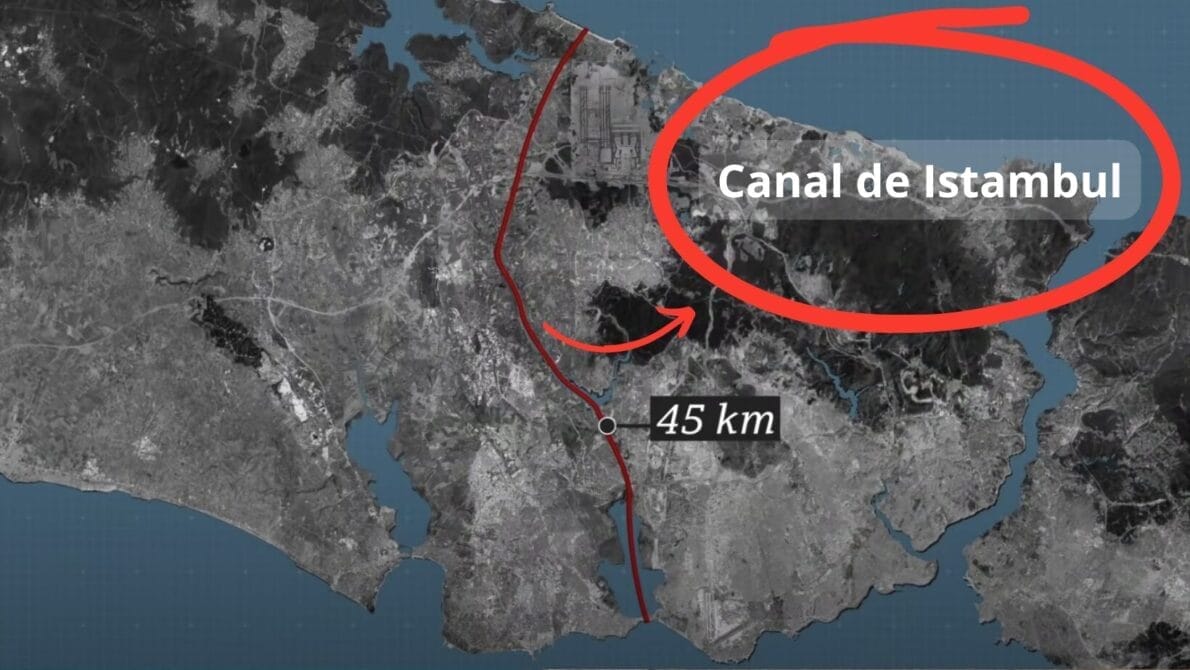
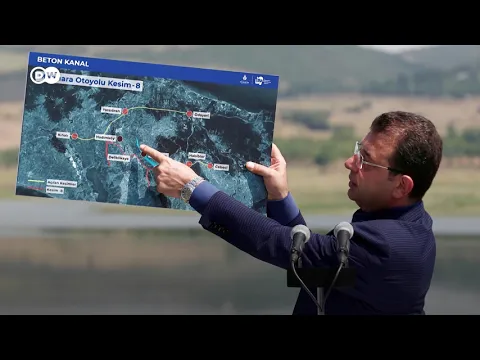
The Turkish government, led by President Recep Tayyip Erdogan, has announced the construction of the Istanbul Canal, a project estimated at approximately 15 billion dollars. This new canal, approximately 40 km long, will be located 30 km west of the Bosporus. The construction aims to relieve the congested strait, through which about 40,000 ships transit annually, causing long waits and delays in deliveries.
The new Istanbul canal will allow the passage of up to 160 ships per day, significantly reducing congestion and the risks associated with transporting hazardous cargo like oil. Currently, the Bosporus cuts through the commercial center of Istanbul, exposing the city to accident risks.
Economic and Strategic Benefits of Turkey’s Project
One of the main objectives of the new canal is to allow Turkey to charge tolls, which is not possible in the Bosporus due to the Montreux Convention, signed in 1936. This convention exempts ships from Black Sea countries from tolls for passing through the Bosporus, depriving Turkey of a significant source of revenue. The new canal, not being covered by this convention, will enable the country to monetize its strategic location.
The expectation is that the new Istanbul canal will generate about 8 billion dollars per year in revenue, recovering the initial investment in less than two years. In addition to the direct economic benefit, the canal also promises to relieve pressure on the Bosporus, improving safety and efficiency in maritime trade.
Controversies and Challenges
Despite the promised benefits, the project faces strong internal and external opposition. Surveys indicate that 80% of the Turkish population is against the construction of the new canal, concerned about the destruction of residential areas and significant environmental impacts. Additionally, the opposition points to a potential conflict of interest, as land along the canal’s route belongs to the president Erdogan’s son-in-law, who is also the minister of the economy.
Externally, Russia has expressed concerns about the project, as it could reduce its influence over maritime traffic control in the region. However, the Turkish government remains firm, stating that the benefits outweigh the challenges and that the project will bring more security and prosperity to the country.