






 Portuguese
  Spanish


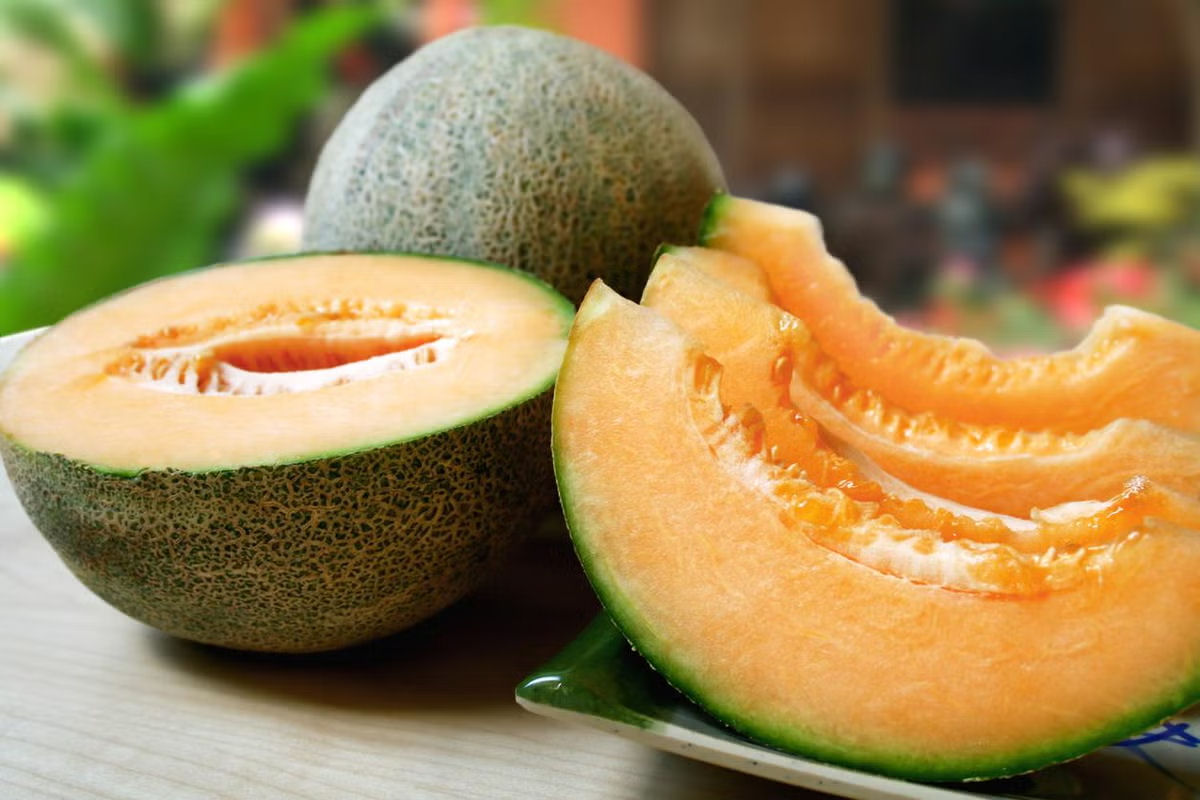


The Yubari King Melon Can Exceed R$ 150,000 Per Pair Thanks to Precision Cultivation, Extreme Sweetness, and Rarity That Make It the Most Expensive Fruit in the World.
When a pair of melons starts to be sold for prices that exceed popular cars, the world turns its attention to understanding how a simple fruit transforms into the ultimate symbol of gastronomic prestige. This is exactly what happens with the Yubari King, a Japanese variety of cantaloupe whose highly specialized production and limited availability make it the most expensive on the planet. In 2022 and 2023, official auctions in Hokkaido recorded pairs sold for over ¥ 5 million, equivalent to R$ 150,000, consolidating an agricultural phenomenon that has intrigued consumers and chefs for decades.
The tradition of luxury fruit auctions in Japan is ancient, but few products have achieved the combination of economic value, agricultural techniques, and rarity that define the Yubari King. Much more than its flawless appearance, this melon carries a level of production control that has become a global reference in precision agriculture, elevating the fruit to a level that reinforces the Japanese obsession with quality, symmetry, and absolute flavor.
The Origin of the Most Expensive Fruit in the World
The Yubari King was born from a specific crossbreed between two varieties of cantaloupe: Earl’s Favourite and Burpee’s Spicy. The result was a melon with intense orange flesh, a striking aroma, and an extremely smooth texture.
-
Innovative Farm in Northeastern Brazil Combats Drought with Advanced Techniques, Aiming for 10,000 Liters of Milk Daily Production

-
Australian Desert Farm Uses Solar Power and Seawater to Produce 15,000 Tons of Tomatoes Annually, Resembling a Sci-Fi Agricultural Innovation

-
Brazilian Child Becomes National Role Model by Turning Financial Education Lesson into Thriving Poultry Business with 25 Hens and 150 Eggs Weekly
-
California’s Almond Industry Consumes Over 4 Trillion Liters of Water Annually Amid Drought, Relies on Trucked-In Bees for Pollination

The city of Yubari, where it is cultivated, is known for its cold climate and large temperature variations, natural factors that increase the concentration of sugars in the fruit.
Since the 1960s, local producers have adopted strict management techniques, transforming the melon into a controlled geographical indication product.
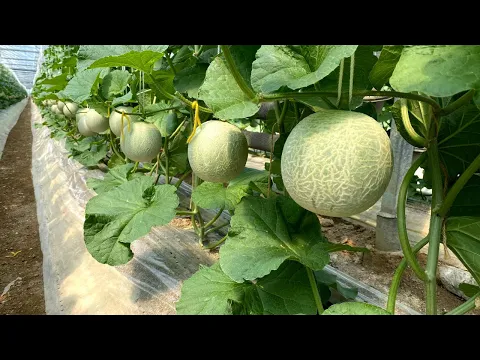

Only fruits grown in authorized greenhouses can receive the official seal, and the annual volume is small, which increases the commercial value. Each producer must follow strict procedures that include climate monitoring, purified irrigation, and constant inspections, ensuring that only visually perfect melons reach the market.
The Millimeter-Precise Cultivation That Transforms the Fruit into an Agricultural Gem
The production of the Yubari King is a demonstration of agricultural engineering. Each plant is monitored daily and receives controlled lighting, adjusted ventilation, and precisely calibrated drip irrigation. A common practice is selective pruning, where the farmer eliminates all the fruits from the plant, leaving only one to concentrate nutrients, which explains the ideal size and saturation of sweetness.
Additionally, each melon is wrapped in individual nets to ensure a perfectly spherical shape. The surface must display a uniform network of white veins, known as “nettings,” considered one of the main quality indicators. Any imperfection, an irregular line, a slightly lighter spot, a minimal crack — causes the fruit to be immediately disqualified.
In many cases, producers literally polish the melon daily, using a soft cloth to uniform the shine. This process, documented by NHK, is essential to ensure that the skin has a flawless aesthetic finish, valued by Japanese consumers who purchase the fruit as a prestigious gift.
Why Does the Yubari King Fetch Such High Prices?
The exorbitant price results from a combination of economic, cultural, and agricultural factors. In Japan, fruits are traditionally used as gifts on important occasions, such as visits to bosses, corporate leaders, and family members.
Giving a high-value gift demonstrates respect and social status, and luxury products with geographical indication, such as the Yubari King, have become ideal items for this type of ritual.
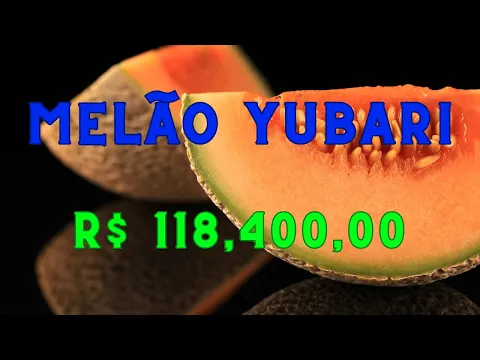
The value also reflects the logic of auctions. At the start of each harvest, producers and buyers participate in a traditional event where the first units are offered in a highly competitive environment. In these inaugural auctions, companies often pay enormous amounts to gain national visibility. It is in this context that some pairs have reached over ¥ 5 million, creating global headlines.
Even so, even outside of these events, the price remains high. In specialty shops, it is common for a single melon to be sold for ¥ 15,000 to ¥ 25,000 (between R$ 700 and R$ 1,300), depending on individual evaluation. The best melons of the harvest, classified as “Super-Grade,” can exceed ¥ 100,000.
The Gastronomic Experience That Justifies the Fame
The flavor is one of the main reasons for the fascination surrounding the Yubari King. The melon presents a sweetness that exceeds 14 degrees Brix, a high measure for fruits in this category, and a rare balance between low acidity and creamy texture. Japanese chefs claim that the fruit practically melts in the mouth without losing its firmness, a characteristic considered classic in premium melons.
The aroma is also a differentiator. Even before being cut, the Yubari King releases a strong, sweet fragrance, something valued in fine dessert gastronomy. Prestigious restaurants use the fruit in dishes ranging from artisanal ice creams to pairings with champagne.
A Symbol of Japanese Precision Agriculture
The cultivation of the Yubari King represents the pinnacle of high-control agriculture in Japan. Researchers from the Hokkaido Agricultural Research Station point out that the city of Yubari has become an open-air laboratory, where small family farms master techniques that inspire international studies on productive efficiency.
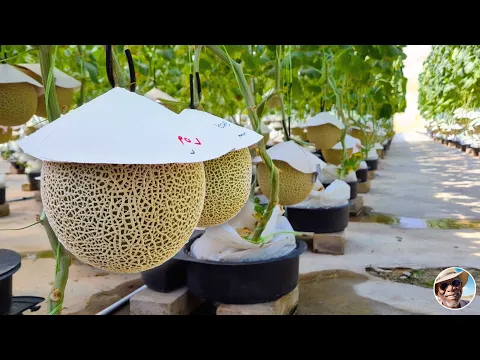
The fruit is seen as a cultural and economic heritage of the region. In recent years, Yubari’s low population and local fiscal crisis have further driven the need to enhance high-value agricultural products. The melon has become one of the main sources of identity and income for the city.
A Global Rarity That Continues to Attract Attention
Although produced only in a small region of Japan, the Yubari King has gained worldwide notoriety. CNN, BBC, and Japan Times often cite the fruit as a symbol of gastronomic extravagance and extreme quality.
At international fairs, it is common for the public to line up just to photograph the boxes of the award-winning melons.
As demand increases, supply remains limited, solidifying the melon as a product that combines technology, tradition, and scarcity. With each harvest, curiosity renews, and prices continue to attract the attention of consumers and enthusiasts of rare food markets.


