Portuguese
  Spanish


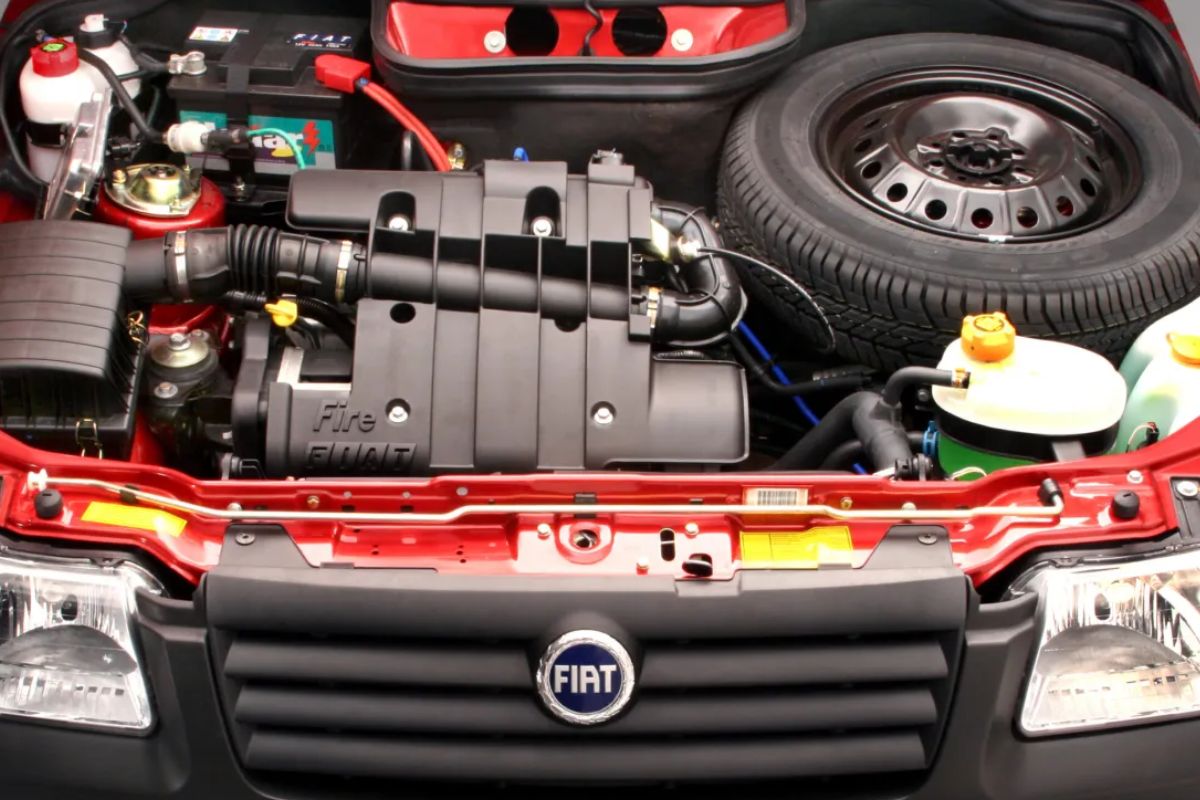


The Trajectory Of The Iconic Engine That Was Born To Be Cheap From Fiat, From Its Robotized Creation In Italy To Its Legacy Of Reliability, Economy, And A Honorable Retirement In The Brazilian Market.
The engine that was born to be cheap Fiat FIRE is a milestone in automotive history, especially in Brazil. It transcended its mechanical function to become a symbol of reliability and a true facilitator of popular mobility. Its trajectory, from an innovative manufacturing concept to becoming the heart of iconic cars, deserves to be told.
Understand this engine that was born to be cheap, its technological evolution, the successful partnership with the Fiat Uno, and the reasons that led it to a honorable retirement after more than two decades of service.
Fire Engine: Engineering For Efficiency And Low Cost
The FIRE engine (Fully Integrated Robotized Engine) was conceived in the early 80s and its production began in 1985, in Italy. The acronym means “Fully Integrated And Robotized Engine” and reflects one of its most innovative features: a highly automated manufacturing process, pioneering for its time.
-
Three-Year-Old Fulfills Dream of Joining Garbage Collectors in Brazil, Captivates Thousands Online with Heartwarming Video

-
Nikon Project Uses Dog’s Heartbeat to Capture Photos, Revealing What Truly Makes Dogs Happy

-
In Los Angeles, Young Adult Opts for Garage Living with Bed, Kitchen, and Bathroom to Avoid Rent, Highlighting Comfort and Organization Challenges in Compact Housing
-
Brazil Faces Crisis as New Data Reveals Alarming Rates of Youth Unemployment and School Dropouts, with Joblessness More Than Double the National Average and High Informality Among Teens



Fiat’s philosophy was to create a light, efficient engine, and, crucially, one with low production costs. The robotization ensured high quality, reduced errors, and lowered labor costs. The simple design, with fewer moving parts, was optimized for this automated assembly. The first FIRE engine was a 0.8L unit producing 34 hp that equipped the Fiat Panda.
The Iconic Partnership With The Fiat Uno And Popular Mobilization
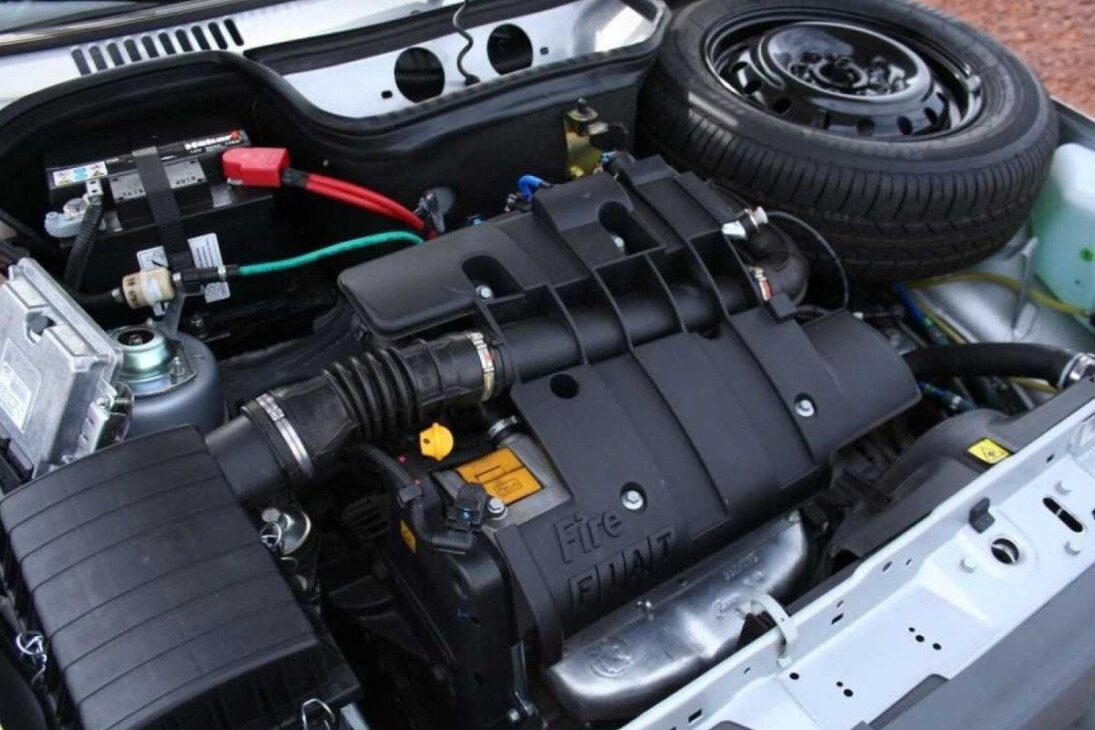
The engine that was born to be cheap FIRE arrived in Brazil in 2000, marking a modernization in Fiat’s entry-level cars. Its arrival was a long-awaited novelty, replacing the old Fiasa engines. Having been launched 15 years earlier in Europe, Brazil received a technology that was already mature and proven.
The most emblematic partnership was with the Fiat Uno, especially in the Mille version. The synergy between the utilitarian design of the Uno and the reliability and economy of the FIRE engine created a perfect product for the Brazilian market. Besides the Uno, the FIRE engine equipped a wide range of successful Fiat vehicles, such as the Palio, Siena, Strada, Fiorino, and the first Mobi.
From Carburetor To FIRE Evo Flex Engine
The longevity of the FIRE engine is due to its great adaptability. The initial European versions used a carburetor, but the engine evolved to multipoint electronic injection (MPI), improving efficiency and drivability.
A crucial adaptation for Brazil was the introduction of Flex-fuel technology, which allows the use of ethanol and gasoline. Later, around 2010, the FIRE Evo generation emerged. It brought improvements such as new electronic calibration and, in the 1.4 version, a phase variator in the valve timing, keeping the engine competitive in performance, fuel consumption, and emissions.
The End Of An Era: Why Did The FIRE Engine Retire With Honor?
The engine that was born to be cheap and lasted nearly 25 years in the Brazilian market was discontinued mainly due to its inability to meet new and stricter pollutant emission standards, such as Proconve L7 and the upcoming L8.
Its retirement was not due to failure, but rather a necessity for technological and environmental evolution. It was replaced by the modern Firefly engine family, which are more efficient and less polluting. The legacy of the Fiat FIRE, however, is indelible. It democratized reliable and affordable motoring, boosted the lives of millions of Brazilians, and etched itself in history as a true automotive icon.