






 Portuguese
  Spanish
  4 min of reading
  1 comment


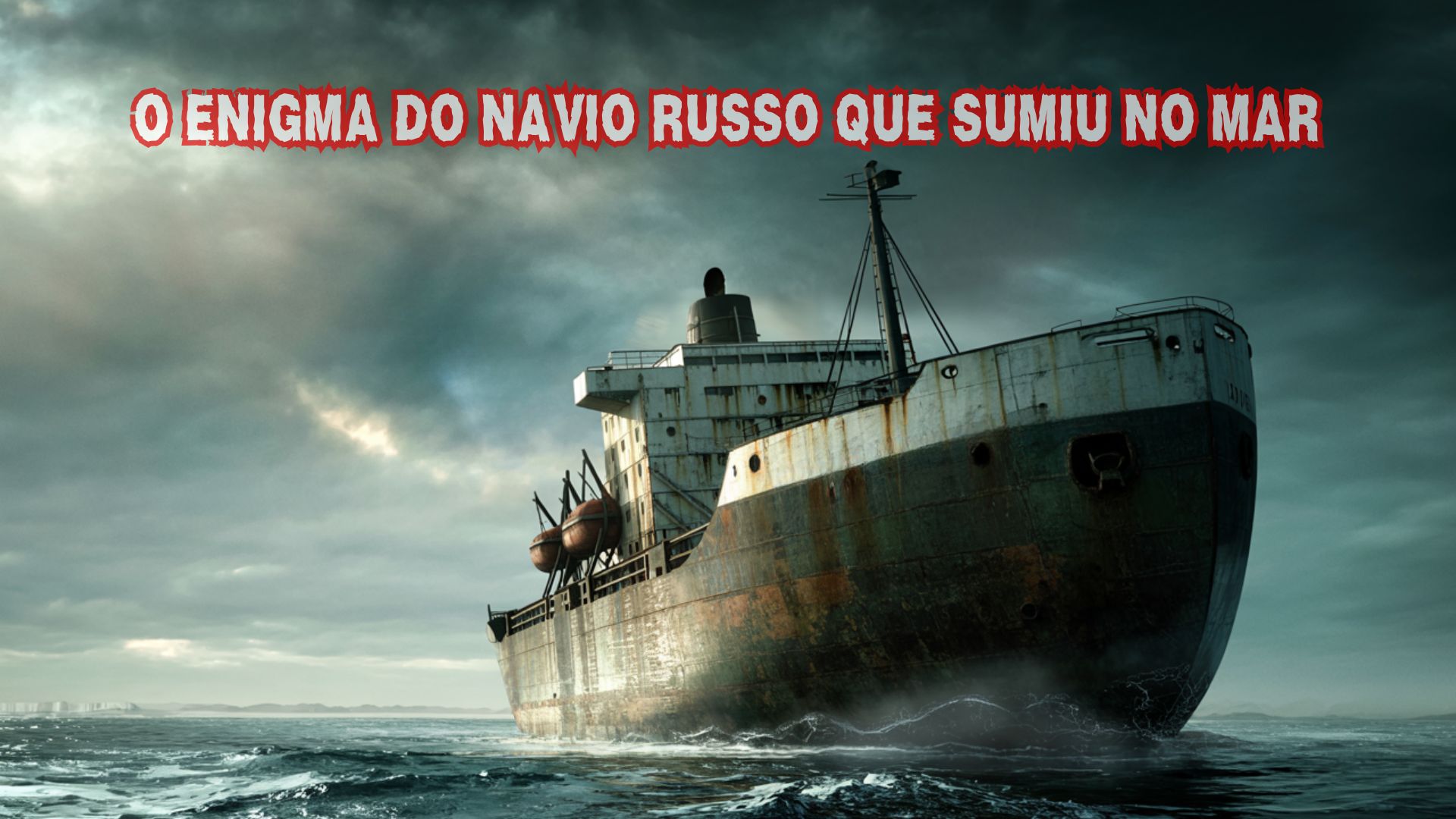

Built To Cross Icy Seas, The Lyubov Orlova Became A Ghost Ship After Breaking Loose In The Atlantic. Located By Satellite, It Disappeared Again — And Was Never Seen Again.
In January 2013, the Lyubov Orlova, an old Russian polar cruise ship, broke free during a towing attempt in Canada and ended up adrift in the Atlantic Ocean with no crew on board. The case gained worldwide attention as it became a rare documented example of a ghost ship in modern waters. After days of being missing, the ship was located by satellites. Then, it disappeared again — and was never found.
The episode generated a wave of speculation, fueled by rumors that cannibal rats could be aboard or that the ship had been seen years later in other regions. However, official records indicate that the last real signal from the ship that vanished in the middle of the ocean was detected back in 2013, shortly after its accidental release.
From Polar Cruise To Debt-Ridden Vessel
The Lyubov Orlova was built in 1976 in the former Yugoslavia to operate in polar regions. Designed to carry tourists on cruises in the Arctic and Antarctica, the ship was once considered safe and reliable, with a reinforced hull to navigate icy seas. Named after the Soviet actress Lyubov Orlova, it was part of the Russian maritime tourism fleet for decades.
-
North Korean Fiasco: Launch of the Largest Warship Ends in Sinking

-
While giant ships still burn heavy fuel and the maritime sector races against climate targets, Maersk and Vale are starting to bet on ethanol as a new route to reduce emissions at sea.

-
China begins construction of the world’s largest LNG ship, a 344-meter giant capable of supplying 4.7 million homes for a month, carrying 271,000 m³ of gas, and placing QatarEnergy in the largest naval order ever recorded in world history.
-
China is designing a container ship with a thorium nuclear reactor that will operate for 40 years without refueling, and the 25,000-container giant from Jiangnan Shipyard will cross oceans without emitting carbon in an industry that burns 300 million tons of fuel per year.





After years of service, the ship was seized in 2010 at the port of St. John’s, Canada, due to debts accumulated by the operator. With no takers for its recovery, it remained docked for almost two years until, in January 2013, it was decided to tow it to the Dominican Republic, where it would be dismantled for scrap.
Loose At Sea With No One On Board
During the towing journey, a cable broke, and the Lyubov Orlova became adrift in the North Atlantic, completely empty. The vessel began to be carried by ocean currents, with no propulsion or control system, becoming a risk to international navigation.
In the following days, the ship was monitored for brief periods but eventually went out of radar range. The Canadian government, claiming the ship was outside its exclusive economic zone, chose not to conduct further searches. By that time, the ghost ship was only being tracked by satellite images.
Last Signal And Theories About The Destination Of The Russian Ship
In February 2013, an emergency signal from the EPIRB (Emergency Position-Indicating Radio Beacon) system was detected over 1,300 kilometers off the coast of Ireland. This indicated that the vessel could be sinking or taking on water, automatically activating the transmitters.
After that, there was no further contact or confirmed detection. No wreckage was recovered, and no vessel found the Lyubov Orlova. It is most likely that the ship sank in the North Atlantic, but without any traces, its fate remains officially unknown.
Emergence Of Rumors And Fake News
The absence of concrete evidence fueled a series of unverified stories. Some publications claimed that the ship reappeared years later near Norway, which was never confirmed. Other more sensational versions spoke of cannibal rats that may have taken over the ship, living and reproducing aboard — a theory considered absurd by experts, given the lack of food and suitable environment for animal survival for so long.
The case became the subject of articles in European tabloids and inspiration for fiction works and viral videos on the internet. However, all official records indicate that the last contact with the Russian ship was still in 2013.
Russian Ship Lyubov Orlova: A Rare Case In The Era Of Monitored Navigation
The disappearance of the Lyubov Orlova contrasts with the reality of current navigation, where vessels are constantly monitored by GPS, radar, and satellites. A large ship vanishing without a trace is something unusual and unsettling for maritime authorities.
Moreover, the episode served as a warning about the increasing number of abandoned ships waiting to be dismantled in various ports around the world. The lack of oversight, the crisis of shipping companies, and the high cost of legal dismantling result in some vessels simply being “released” into the sea, posing environmental and collision risks.
Legacy Of The Russian Ship Lyubov Orlova
Despite its disappearance, the Lyubov Orlova remains remembered as one of the most notorious cases of ghost ships of the 21st century. Its story encompasses elements of neglect for obsolete vessels, failures in international maritime responsibility, and the human fascination with unresolved mysteries.
Until concrete evidence of its sinking or location surfaces, the case of the ship that disappeared in the middle of the ocean remains officially open — and continues to fuel popular imagination.










Sou muito emterressado em navios principalmente no Titanic