Portuguese
  Spanish


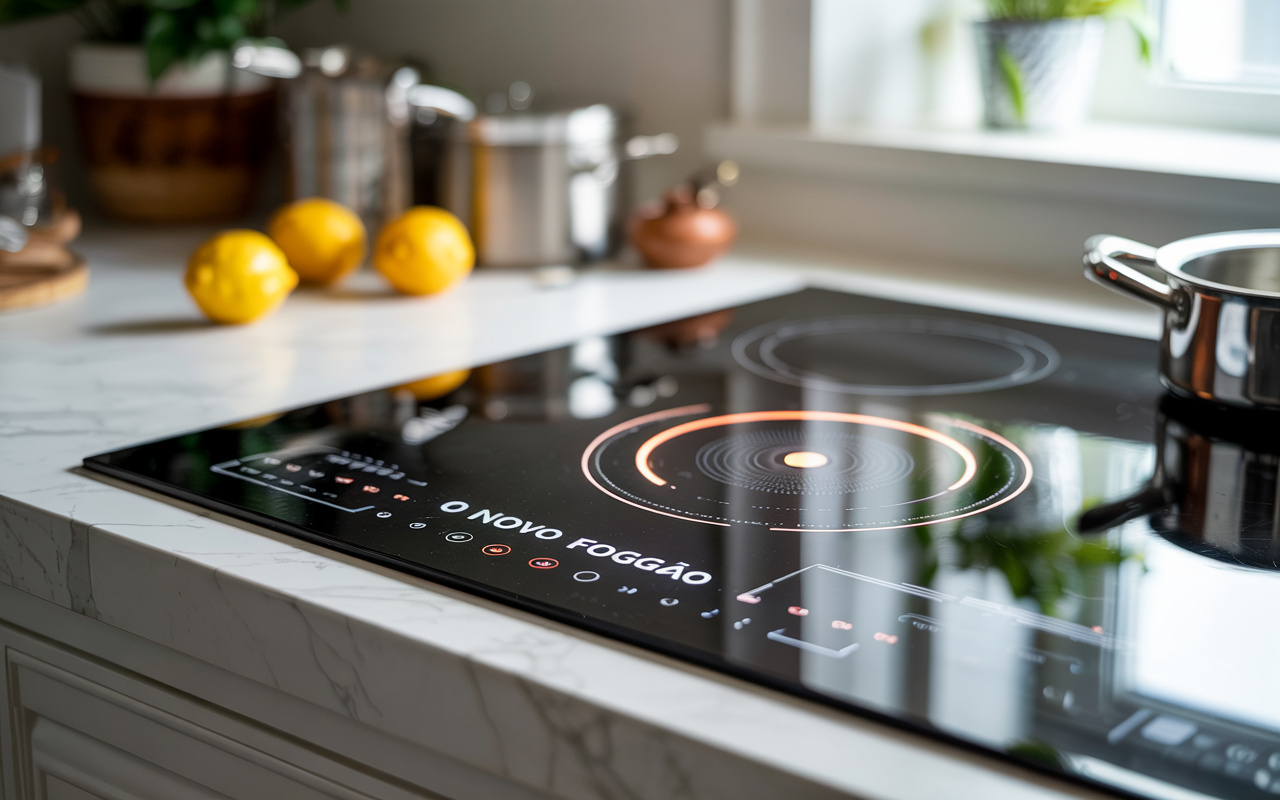


The Induction Stove Is Gaining Popularity in 2025 and May Retire Gas Models. Learn How the Magnetic Technology Works, Its Advantages, and What to Consider Before Buying.
The induction stove is no longer a luxury item and is becoming the market’s big bet in 2025. With magnetic technology that heats directly from the bottom of the pots, it promises to retire gas models in the coming years, offering more safety, savings, and practicality in daily life.
The operation is simple but innovative: instead of generating flames or heating an electric resistance, the induction stove creates an electromagnetic field that transfers heat directly to pots with a ferromagnetic base, such as stainless steel or cast iron. This means less energy loss, less heat dispersed in the kitchen, and precise temperature control — something that changes the way of cooking and is already starting to win families all over Brazil.
Induction Stove: The Substitute for Gas Stoves?
The shift towards induction is a result of changes in consumer behavior. More and more, people are seeking safe, sustainable, and technological solutions for the home. And the induction stove meets all these requirements.
-
Cambridge Scientists Achieve Solar-Powered Plastic Recycling, Converting Waste into Valuable Chemicals Without Fossil Fuels, Paving the Way for a Low-Carbon Circular Economy

-
In Ghana, Makafui Awuku Turns 250-300 Water Sachets Into Each 30-Year-Lasting School Desk, Lifting Children Off Classroom Floors

-
In September 2035, Mars to Shine Brightest Since 2003, Aligning with NASA and China’s Planned Human Mission to the Red Planet
-
Robots Descend Four Kilometers to Operate in the World’s Deepest Mine, Unbearable for Humans






Among the most notable benefits is safety. The stove’s surface does not heat like a conventional model, drastically reducing the risk of burns. Moreover, the system only heats when a suitable pot is positioned over the burner, making it safer to use in homes with children or seniors.
Another point is agility. The heating is almost instant, speeding up food preparation and making cooking more practical. This efficiency also reflects in energy savings: since the heat is directed straight to the pot, there is less waste and optimized consumption.
Magnetic Technology Kitchen: How Does the System Work?
The basis of the induction stove is magnetic technology. Under the ceramic glass surface, there are coils that, when energized, create an electromagnetic field. This field induces electric current in the metal bottom of the pot, heating it quickly.
Unlike gas stoves, which heat the surrounding air and transfer heat indirectly, the induction system is extremely efficient. This also simplifies cleaning: since the surface does not get as hot, splashes and residues do not stick, making maintenance much easier.
Modern Stove 2025: Advantages That Win Over Brazilians
In 2025, the induction stove has established itself as one of the biggest trends in the appliance sector. Consumers highlight some benefits that have driven sales:
- More safety: the surface does not generate flames or heat up completely.
- Rapid heating: reduces food preparation time.
- Easy cleaning: residues do not easily adhere to the cold surface.
- Energy efficiency: generates heat only in the pot, with no waste.
- Sophisticated design: the modern look transforms the kitchen into a more elegant space.
What to Consider Before Investing in an Induction Stove
Despite all the advantages, consumers should evaluate some points before switching from a traditional stove to induction. The main one is pot compatibility: only utensils with a magnetic bottom work, which may require purchasing a new set.
Additionally, it is important to:
- Measure the installation space, as the design and number of burners vary greatly.
- Define energy consumption: models are efficient but require a stable electrical network.
- Check extra features, such as timer, smart functions, and safety lock.
Efficient and Sustainable Stove: An Irreversible Trend?
The growing interest in more sustainable solutions also boosts the popularity of the induction stove.
The model eliminates gas combustion, reducing emissions and leak risks. In cities, where the electrical supply tends to be more reliable, replacing gas stoves is a natural trend.
Experts point out that, despite the higher initial cost, the investment pays off in the long run. Energy consumption is optimized, food preparation time is reduced, and the equipment’s durability compensates for the price paid.
Will the Induction Stove Dominate Kitchens in the Coming Years?
Everything indicates that it will. Adoption is increasingly common in urban and modern areas, especially among consumers seeking efficiency and practicality. However, in regions with unstable electrical supply or in more traditional kitchens, gas stoves are likely to remain present for some time.
The transition will be gradual but inevitable. As prices decrease and electrical infrastructure evolves, induction technology is expected to become the standard, slowly retiring conventional gas and electric models.
The induction stove represents more than just a trend: it is a paradigm shift in the way of cooking. With superior safety, energy efficiency, and a modern design, it promises to dominate kitchens in the coming years, making cooking faster, cleaner, and more sustainable.
For those considering updating their kitchen in 2025, the question is no longer “if” there will be an induction stove, but “when.”