






 Portuguese
  Spanish


Despite The Enormous Solar Potential, Brazil Faces Regulatory And Bureaucratic Challenges. Strong Public Policies Are Crucial To Accelerate The Use Of Solar Energy And Democratize Its Access.
World Energy Day, May 29, highlights the urgency of a clean energy matrix. In Brazil, solar energy emerges as a protagonist in the energy transition. However, experts point out that political and regulatory obstacles continue to hinder its progress, especially for low-income populations.
The Shine Of Solar Energy In The Brazilian Energy Scenario
Brazil has an abundance of renewable resources. Solar energy stands out as a fundamental piece in this scenario. According to the Brazilian Solar Photovoltaic Energy Association (Absolar), the country has already surpassed the impressive mark of 37 gigawatts of installed capacity. This volume places Brazil in a prominent position in the global landscape. Despite this, the country is still far from fully exploring its vast potential.
Political And Regulatory Hurdles: Barriers To Solar Expansion
Experts warn of significant challenges. Political, regulatory, and bureaucratic hurdles continue to limit the expansion of the sector. Maurício Crivelin, CEO of Kinsol, a company focused on solar solutions with social impact, emphasizes: “Brazil has a gigantic potential to be a global leader in the energy transition, but it still faces political and regulatory challenges”. He adds that solar energy “has already proven its value – it is clean, accessible, and creates jobs. But we need a stable regulatory environment, incentive policies, and less bureaucracy”. The need for a clear regulatory environment and consistent incentives is often discussed in debates about the sector, as highlighted by outlets like Pequenas Empresas & Grandes Negócios.
-
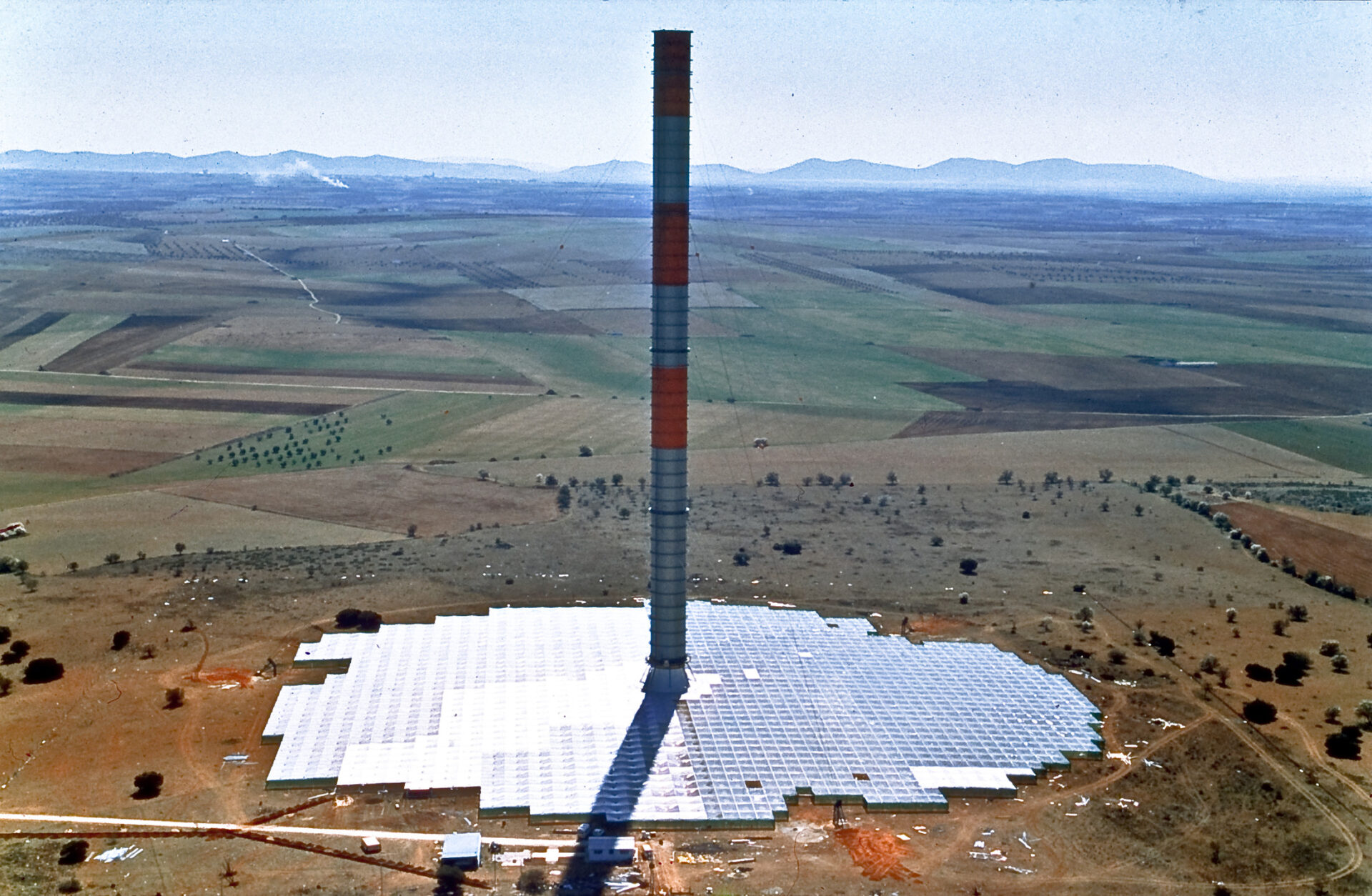
Solar Chimney in Spain Harnessed Sun to Generate Electricity for 7 Years Without Burning Fuel

-
Solar energy reaches 55 GW, becoming the second largest power source in Brazil’s energy mix

-
Solar energy can increase property value by up to 10% and become a selling point.
-
Solar and wind energy surpass natural gas for the first time in the world and accelerate energy revolution



Challenges To Universalization
One of the major challenges is the democratization of access to solar energy. A large portion of current installations is concentrated in sectors with greater purchasing power. Meanwhile, families in energy poverty face difficulties accessing this technology. Solar energy could significantly reduce their electricity costs.
Boosting Solar Energy In Brazil
To overcome these obstacles, it is essential to advance effective public policies. Crivelin advocates that the country needs to integrate solar energy into strategies for combating energy poverty and sustainable development. This includes creating accessible financing models. Targeted subsidies and programs that encourage distributed generation in vulnerable regions are also crucial. “Kinsol believes that the solution lies in the union between the private sector and the public authorities, focusing on innovation and social impact”, the executive adds.
The Sustainable Future And The Role Of Solar Energy
The energy transition needs to be inclusive, not just technological. As global decarbonization targets gain traction, Brazil is pressured to meet its environmental commitments. In this context, progress in the country becomes not just desirable but urgent. The celebration of World Energy Day serves as an opportunity to strengthen the debate. We need to promote concrete actions towards a more just, sustainable, and accessible energy future for all Brazilians, with solar energy as one of its pillars.




