





 Portuguese
  English
  Spanish
  4 min of reading
  0 comments


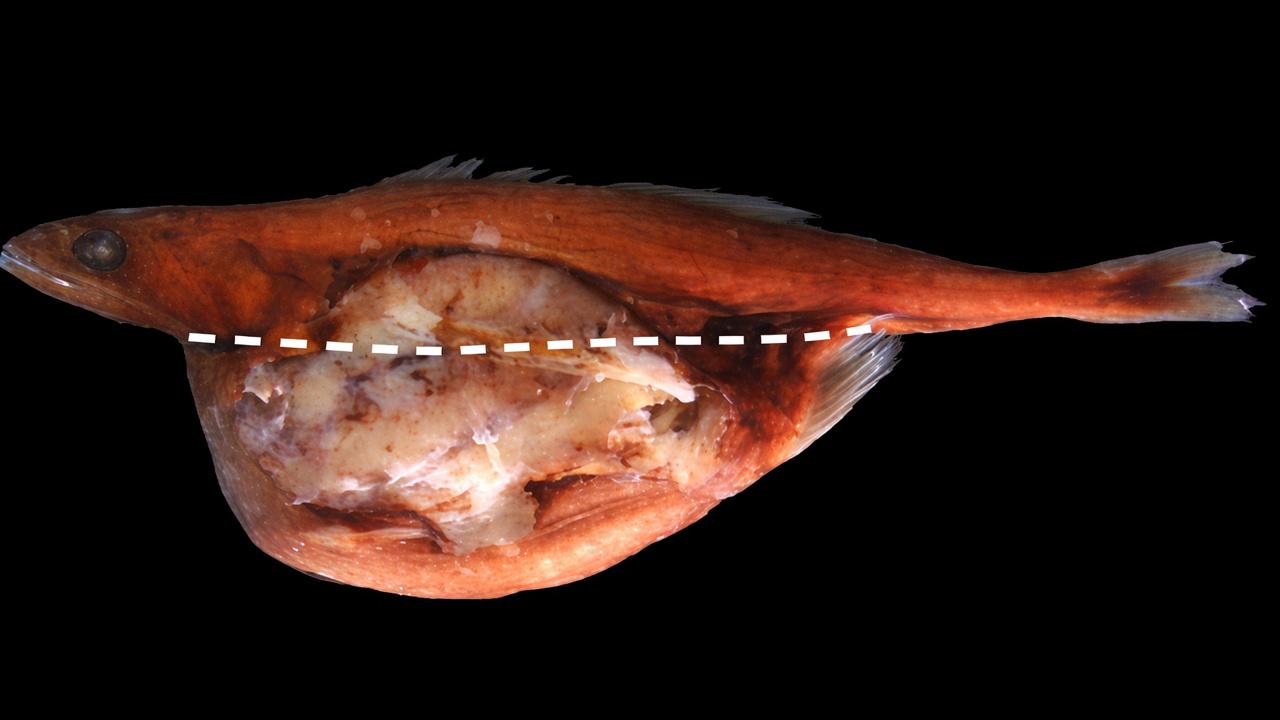
The Black Swallower Has A Hyper-flexible Jaw And A Stomach Capable Of Swallowing Prey Larger Than Its Own Body, Making It One Of The Most Extreme Predators Of The Deep Ocean.
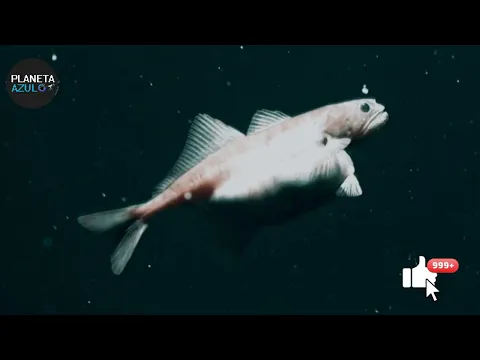
In the darkest regions of the ocean, where sunlight disappears completely and every encounter with food may be the only chance of survival for weeks, there is a fish that seems to ignore any notion of body proportion. The black swallower (Chiasmodon niger) has become one of the most extreme examples of predatory adaptation ever documented in the deep sea. Its relatively small body houses a feeding system capable of swallowing prey larger than itself, something that challenges not only visual logic but also the biomechanical limits of a vertebrate.
This creature does not pursue prey over long distances nor relies on brute strength. Its survival is based on a simple and brutal strategy: when the opportunity arises, it swallows everything.
A Predator Shaped By Scarcity
The black swallower primarily inhabits the mesopelagic and bathypelagic zones, at depths generally ranging from 700 to over 2,000 meters. In these layers of the ocean, the temperature is low, the pressure is extreme, and food availability is unpredictable.
-
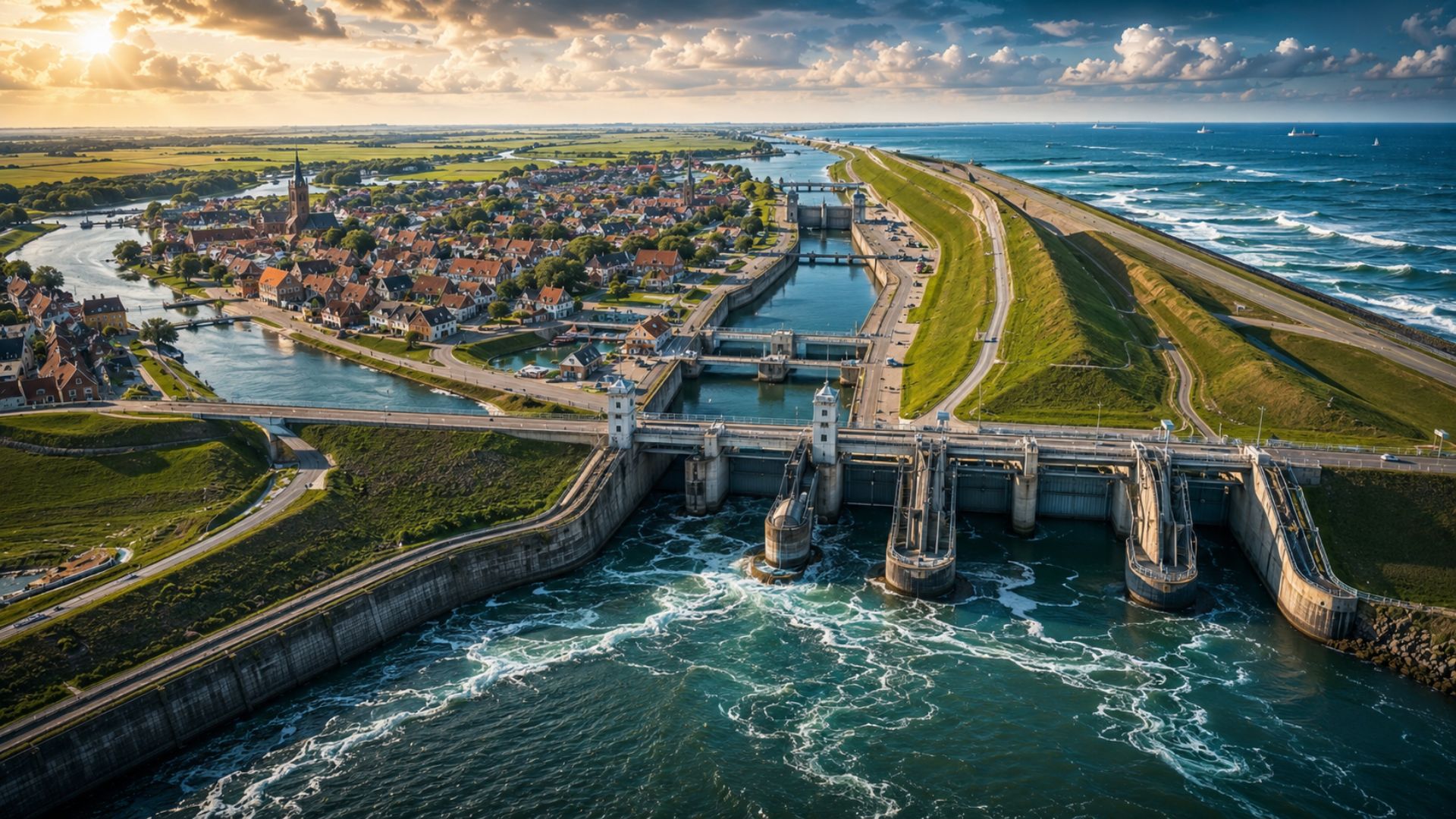
A large part of the Netherlands lies below sea level and remains dry only because an invisible machine of dikes, pumps, and giant gates works nonstop, a system born from the tragedy of 1953, when the North Sea invaded the country and killed 1,836 people.

-
The largest bridge in Finland has just been inaugurated and cars simply cannot pass on it; only trams, bicycles, and pedestrians are allowed to cross the 1.2 km giant with a 135-meter pillar over the Baltic Sea.
-
Larger than Belgium and nestled at the mouth of the Amazon, Marajó Island is a giant that Brazil has forgotten, surrounded by water and energy on all sides, yet still isolated, poor, and dependent on diesel brought by barge.
-
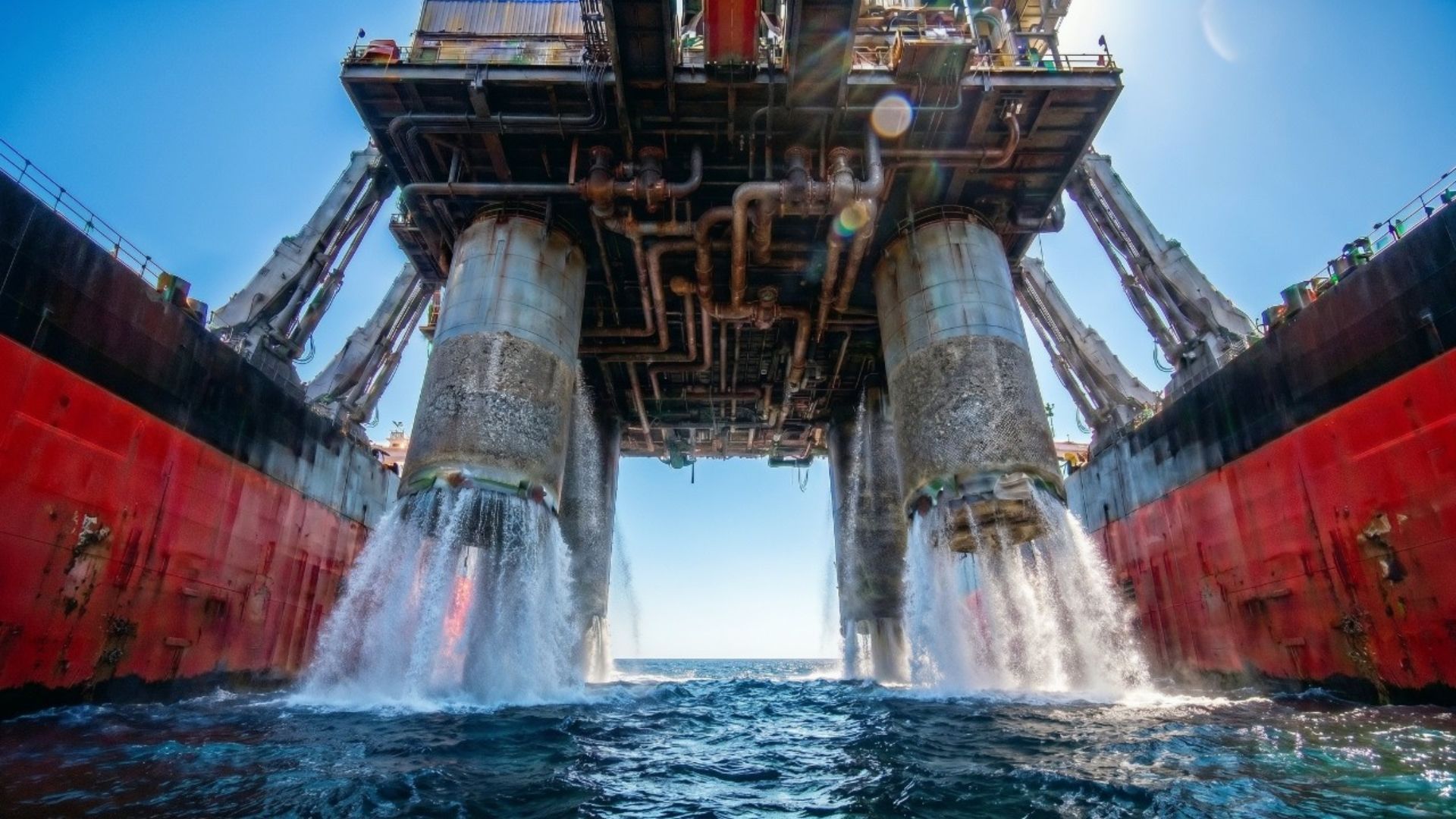
Weighing as much as nine nuclear aircraft carriers, the Pioneering Spirit is the largest ship ever built and was made for a single task that no other machine in the world can accomplish: removing entire oil platforms from the seabed of the North Sea in one go.



In this environment, natural selection has favored species capable of maximizing each feeding event. Instead of hunting frequently, the black swallower evolved to take advantage of rare opportunities, even if it means consuming a gigantic prey all at once.
Hyper-flexible Jaw And Non-standard Anatomy
The first element that makes this possible is the jaw. The black swallower has extremely mobile joints, allowing for a much wider opening than observed in coastal or shallow-water fish. This flexibility is not only lateral but also vertical, creating a mouth capable of encompassing bulky prey.
Furthermore, its teeth are thin, inward-curved, and slightly angled, forming a structure that prevents the escape of prey after capture. These are not teeth for chewing, but living hooks, designed to hold while the swallowing process occurs slowly.
A Stomach That Redefines The Concept Of Body Limit
The true secret of the black swallower lies in its stomach. Unlike most fish, the stomach of this species is extremely elastic, with thin walls capable of stretching several times beyond the normal volume of the body.
There are documented cases of black swallowers found with prey exceeding their own length. In some cases, the fish ended up dying after ingestion, not due to an inability to swallow, but because the internal decomposition of the prey consumed oxygen and produced gases before complete digestion.
These extreme episodes illustrate how risky and calculated this feeding strategy is.
Opportunistic Attacks In Absolute Darkness
Unlike active predators, the black swallower adopts an opportunistic behavior. It drifts or slowly moves in the water column, waiting for a chance encounter with a vulnerable prey, usually other deep-sea fish.

When contact occurs, the attack is quick. The mouth opens in a sudden movement, the prey is captured and immediately pulled inside, without prolonged struggle. In an environment where energy is a precious resource, avoiding long chases is essential for survival.
Body Adapted To Extreme Pressure
The anatomy of the black swallower reflects life under crushing pressures. Its bones are lighter and less calcified, reducing the risk of fractures under high pressures. The body is elongated and relatively soft, helping to withstand the compression of water at great depths.
Additionally, its metabolism is slow, a common characteristic among abyssal species. This allows the fish to survive long periods without eating after a large meal, making the most of the energy obtained.
A Fatal Mistake That Reveals The Limits Of The Evolution Of The Black Swallower (Chiasmodon niger)
Despite its efficiency, the black swallower does not always win. In various scientific records, specimens have been found dead after swallowing prey too large to be digested in time. The stomach can accommodate the expansion, but the respiratory and circulatory systems do not keep up with the excess.
These extreme cases show that evolution has pushed the species to the brink of possibility, but not beyond it. Still, the fact that this behavior occurs repeatedly indicates that, on average, the strategy works better than it fails.
Ecological Role In The Deep Ocean
The black swallower acts as an opportunistic regulator in the deep food webs. It removes larger, weakened, or inattentive individuals, contributing to the balance of mesopelagic fish populations.

At the same time, it itself serves as food for even larger predators, maintaining the flow of energy in one of the most extensive and least understood ecosystems on the planet.
Few creatures represent the brutal logic of the depths as well as the black swallower. In an environment where food is scarce, light does not exist, and mistakes can be fatal, surviving does not mean being fast or strong, but being prepared for the impossible.
With its hyper-flexible jaw and elastic stomach, this fish not only defies common sense — it exposes how far life can go when pressed to the extreme limits of the planet.




-

-

2 people reacted to this.