






 Portuguese
  Spanish


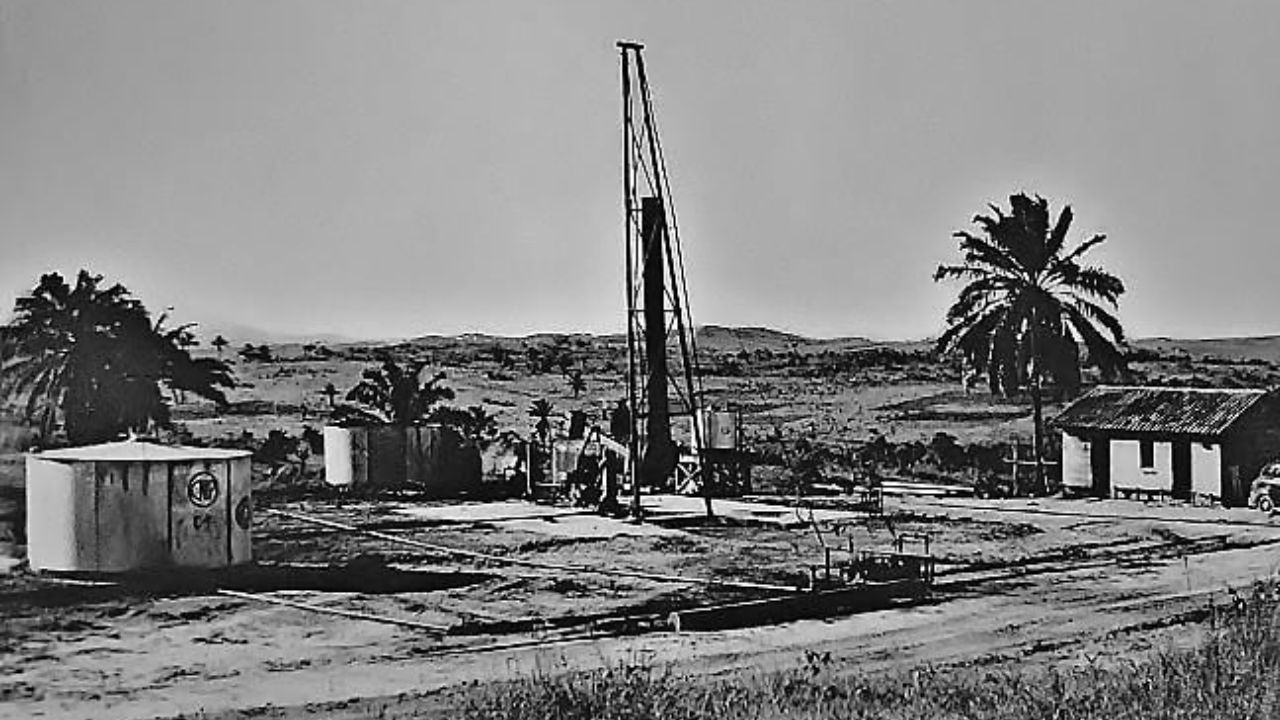


Discover How the Lobato Well, the First Oil Well in Brazil, Marked the Beginning of the National Petroleum Industry and Transformed the Country into an Energy Powerhouse.
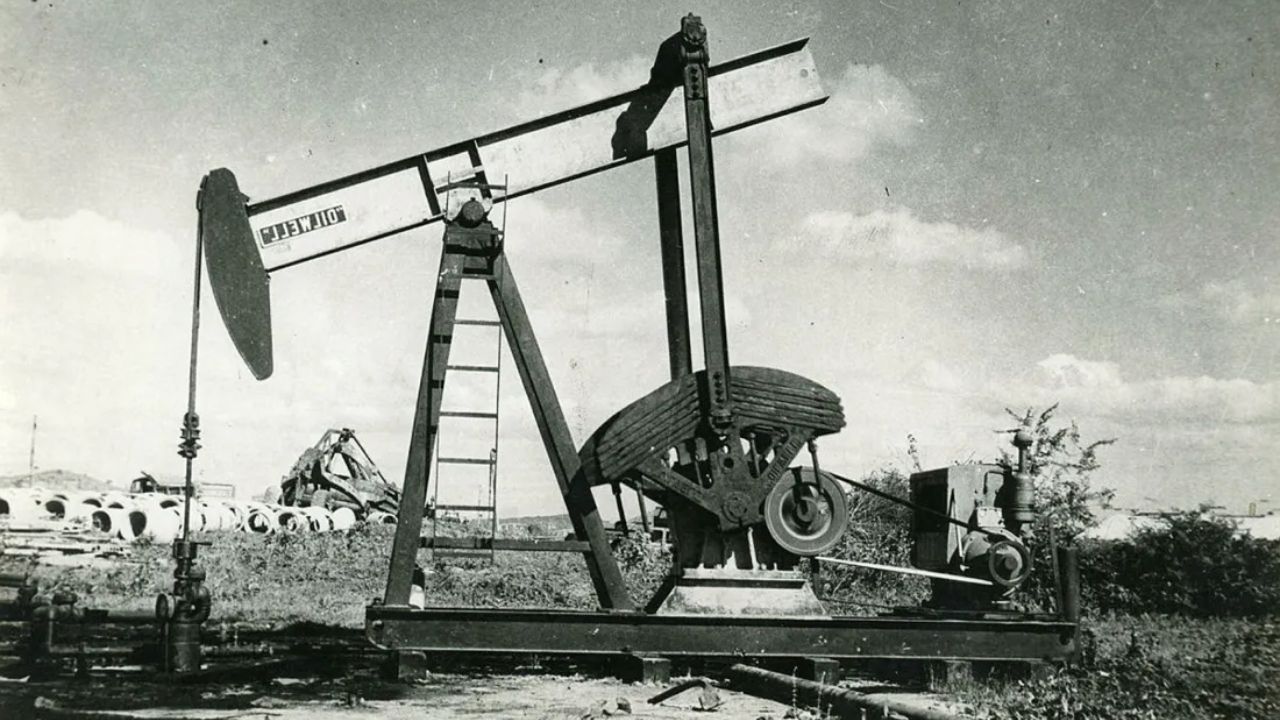
In 1939, an event in the Lobato neighborhood of Salvador forever changed the course of the national industry: the emergence of the first oil well in Brazil. The discovery, although not commercially viable at the time, marked the beginning of a journey that transformed the country into a global energy powerhouse.
The Beginning of a New Era: The Discovery of the First Oil Well in Brazil, the Lobato Well
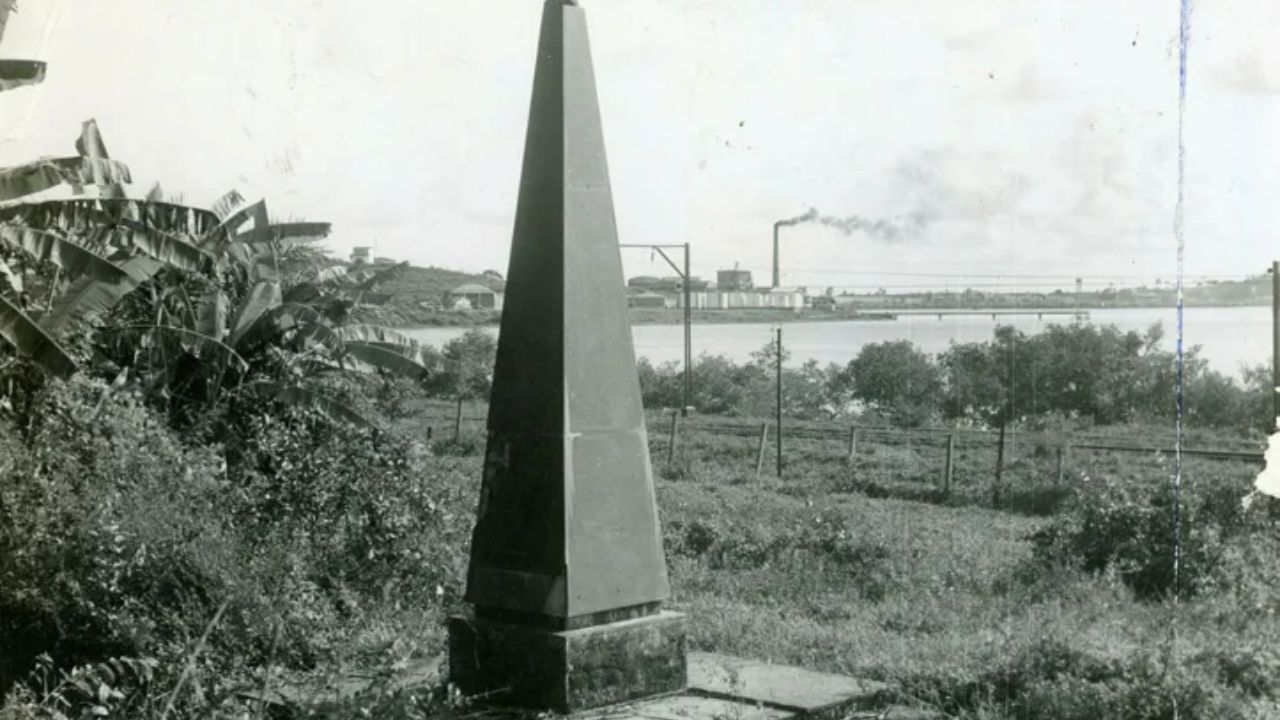
It was on January 21, 1939, that oil gushed for the first time on Brazilian soil. The location? The humble Lobato neighborhood, on the shores of All Saints Bay, in Salvador.
With this, the Lobato well entered history as the first oil well in Brazil, laying the foundations for the national petroleum industry and challenging the skeptics of the time.
-
Brazil’s ANP Opens 86 New Oil Blocks in the Equatorial Margin, Expanding the Amazon River Mouth Frontier

-
OPEC+ Boosts Oil Supply by 188,000 Barrels per Day in July 2026, Leading to Price Drop from $112 to $89 per Barrel in Under Two Months

-
TotalEnergies Signs 20-Year Deal to Purchase 2 Million Tons of LNG from Alaska, Boosting Project Viability
-
Turkey Deploys Çağrı Bey Drilling Ship to Explore New Oil Frontier Off Somalia’s Coast

This discovery was not a stroke of luck.
It was born from the curiosity of geographer engineer Manoel Ignácio Bastos, who observed local residents using a strange gas to fuel their lamps.
Intrigued, Bastos discovered a dark, oily sludge in the crab holes of the Lobato mangroves.
The clue led to deeper investigation, with the fundamental support of Oscar Cordeiro, a broker and then president of the Bahia Commodities Exchange.
The journey to confirm the oil was filled with obstacles.
One of the most memorable moments was the resistance from Lithuanian geologist Victor Oppenheim, hired to dispute the possibility of oil existing in the region.
However, the facts spoke louder.
When oil finally emerged from the ground in 1939, the news headlines were splashed across the front pages of the country’s major newspapers on the same day.
Although the well itself did not prove commercially viable, it served as a catalyst for new discoveries.
Shortly thereafter, more promising wells emerged, such as Candeias 1, drilled in 1941, considered the first commercial well in the country.
Legacy of the Lobato Well and the Formation of Petrobrás
The symbolic and practical importance of the Lobato well transcended the Recôncavo Baiano.
It was the seed of a strategic industry, giving rise to other fields such as Dom João Terra, Água Grande, and later the Campos and Santos basins.
The impact was so significant that, years later, in 1946, a proposal to open the market to foreign companies generated the nationalistic response of the “Oil is Ours” movement.
The social pressure led to the creation of Petrobrás in 1953, a company that maintained the monopoly on exploration until 1997.
Thanks to the pioneering nature of the Lobato well, Brazil advanced in exploring new fields, including the pre-salt layer, discovered in 2006.
As a result, the country became, in 2017, the largest oil producer in Latin America.
Today, it stands out not only for the volume of barrels extracted but also for efficiency in production and lower CO₂ emissions per barrel compared to the global average.
More than a geological discovery, the first oil well in Brazil symbolizes persistence in the face of disbelief.
Its existence propelled an industrial chain, consolidated a strategic state-owned enterprise, and projected Brazil onto the international energy stage.


The Lobato Well remains, even today, a symbol of the struggle for energy sovereignty, technological innovation, and national industrialization.







Pena esse marco da empresa esteja hoje abandonado sem uma reserva de segurança para ser visitado por turistas.
Também o pré sal que muitos pseudos jornalistas diziam lá em 2007 que esse mesmo pré sal orgulho da Petrobras, somente existia na cabeça do então presidente Lula da Silva.
Vergonha
Infelizmente a incompetência e corrupção de Lula e seus companheiros quase levou a Petrobrás a falência no escândalo do petrolao !!! Pesquisem e comprovem!!!!