Portuguese
  Spanish



Born From The Oil Crisis, Proálcool Transformed The Brazilian Industry. Discover Its Rise, Near Death In The 90s, And Redemption With Flex-Fuel Technology
The National Alcohol Program, or Proálcool, occupies a unique place in Brazil’s energy history. Created as a bold response to the oil crisis of the 1970s, it boosted the use of ethanol as a fuel, but also faced periods of instability that nearly led to its collapse.
However, the program was reborn, driven by technological innovation from the flex-fuel car. Understand the trajectory of Proálcool, from its peak and near death to its consolidation as a pillar of the energy matrix and the national automotive industry.
The Birth Of Proálcool, Brazil’s Bet On Sugarcane To Escape The Oil Crisis
Proálcool was formally established on November 14, 1975. The initiative emerged in response to the 1973 oil crisis, which quadrupled barrel prices and had a strong impact on the Brazilian economy, which was then heavily dependent on imported oil.
-
Bruno Guimarães, 28, Misses Crucial Penalty Against Norway in World Cup After Replacing Vinicius Jr.

-
Inspired by a school lesson on Africa’s water crisis, a young boy raised money through chores to fund a well that transformed a Ugandan community.

-
Brazilian Construction Worker Moves to France, Earns Up to €2,500 Monthly with Home Renovations, Gains Social Media Attention

-
US Navy Sinks USS Oriskany with 230 kg of C-4, Creating World’s Largest Artificial Reef in 37 Minutes





The program’s goals were to reduce this dependency, save foreign currency, and take advantage of the vast agricultural potential of sugarcane. The government implemented tax incentives, subsidized loans, and ensured ethanol purchases by Petrobras, stimulating the industry to develop alcohol engines.
The Peak Of Alcohol Cars And The Perfect Storm That Almost Killed Proálcool
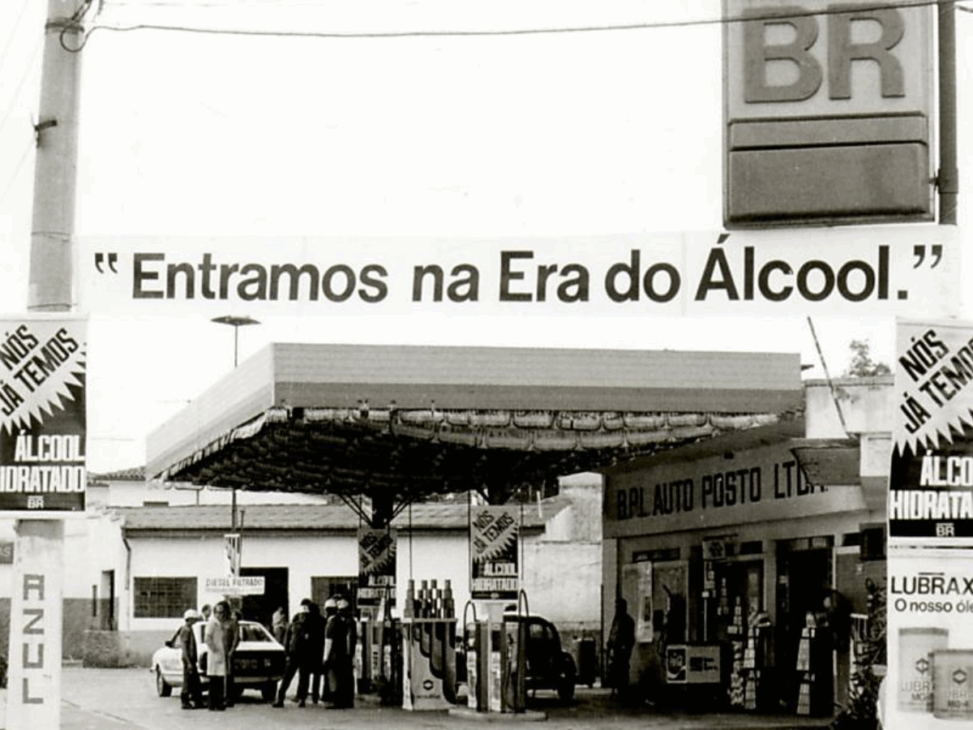
The first alcohol car produced in series in the world was the Fiat 147, in 1979. With strong government incentives, the ethanol car market grew exponentially, reaching over 90% of new vehicle sales in the mid-1980s.
However, a “perfect storm” formed at the end of the decade. The drop in oil prices and the rise in sugar prices in the international market led mill owners to prioritize sugar production. The withdrawal of government subsidies and price freezes worsened the situation. The result was a severe shortage of ethanol at gas stations between 1989 and 1990, which destroyed consumer confidence.
How Flex Fuel Technology Saved Ethanol And Proálcool
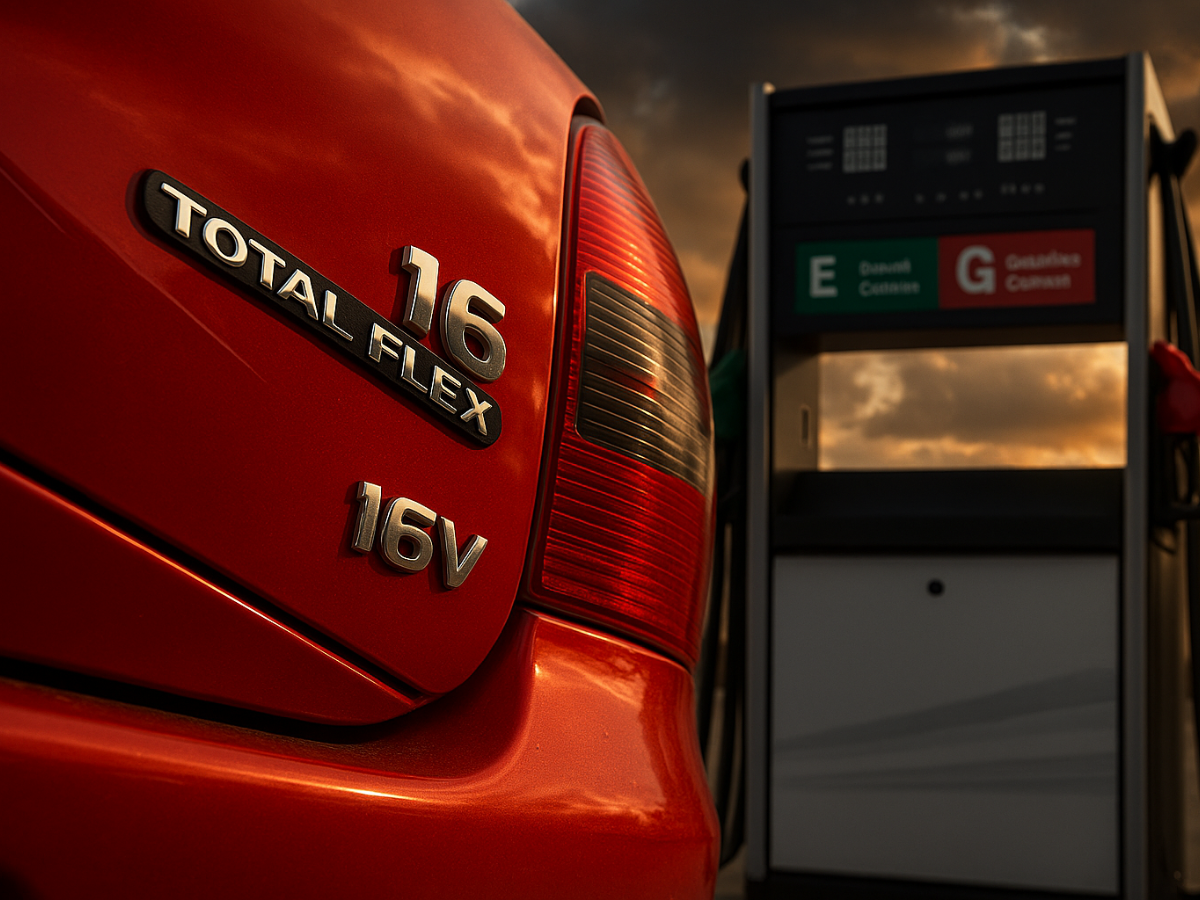
The redemption of ethanol came with flex-fuel technology. Developed in Brazil by companies like Bosch and Magneti Marelli, the innovation allowed engines to operate on gasoline, ethanol, or any mixture of the two. The system uses the existing lambda sensor in the engine to identify the fuel and adjust injection and ignition parameters.
The launch of the Volkswagen Gol “Total Flex” in March 2003 was a milestone. The technology was quickly adopted by all automakers. By giving consumers the freedom to choose the most advantageous fuel, the flex car eliminated the fear of shortages and restored confidence in ethanol, revitalizing the legacy of Proálcool.
The Fuel Of Proálcool In Modern Turbo Engines
The recent wave of turbo engines with direct injection (GDI) opened a new chapter for ethanol. Its properties, such as high octane, provide greater resistance to knocking, allowing engineers to design turbo engines with higher compression ratios, resulting in more power and torque.
Ethanol also has a higher latent heat of vaporization, which cools the combustion chamber, a benefit for turbo engines that operate under greater stress. On the other hand, the use of ethanol in GDI requires solutions to challenges such as corrosion and lubrication, which is addressed with more resistant materials and specific lubricating oils.
The Legacy Of Proálcool And The Future Of Ethanol In Brazil
Despite its troubled trajectory, Proálcool left a lasting legacy. It consolidated a massive agribusiness, fostered the R&D capacity of national automotive engineering, and positioned Brazil as a leader in biofuels.
To ensure supply stability, the sector advanced with corn ethanol, which complements production in the off-season for sugarcane, and second-generation ethanol (E2G), which uses bagasse and straw. The future of ethanol is promising, whether in flex hybrid vehicles – considered the ideal solution for Brazil – in ethanol fuel cells to generate hydrogen on board, or as a precursor for Sustainable Aviation Fuels (SAF). The saga of Proálcool is a lesson in resilience and innovation that continues to shape Brazil’s energy future.