





 Portuguese
  English
  Spanish
  3 min of reading
  0 comments


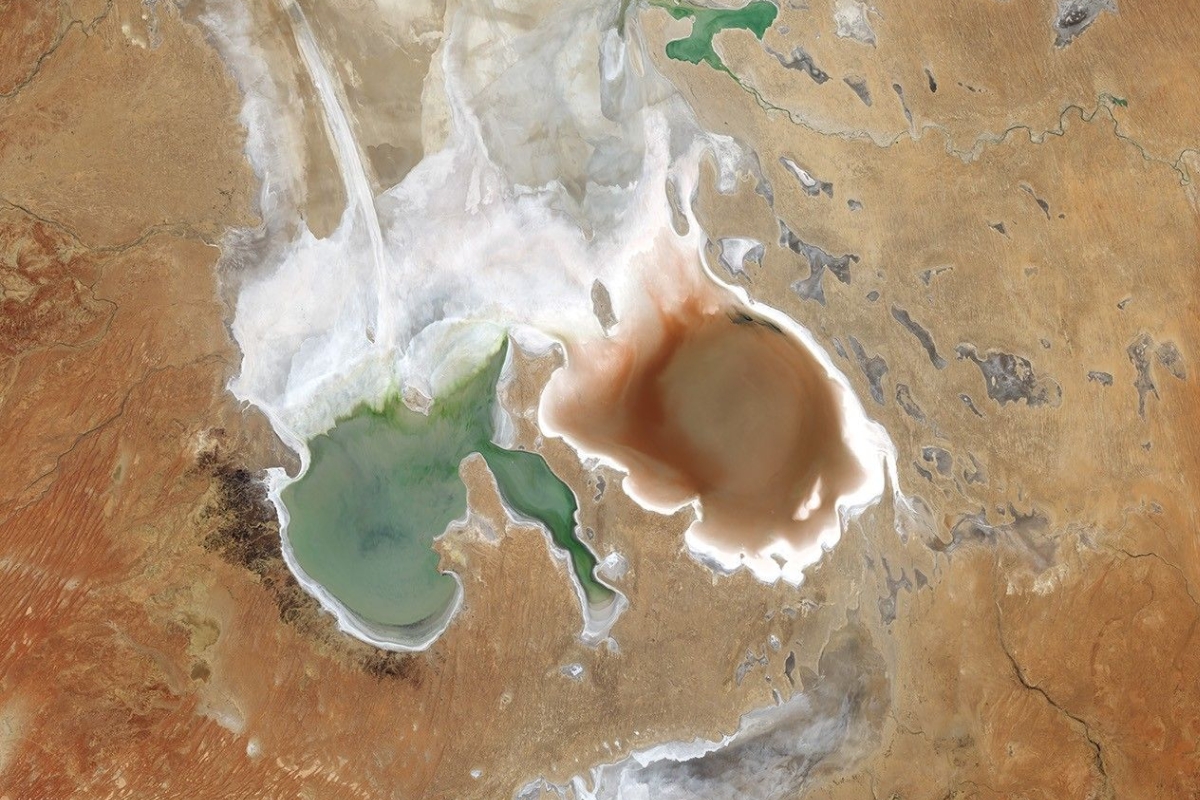
NASA Noticed Unusual Behavior In A Large Area Of Australia: After An Uncommon Period, The Scene Started To Invert, And The Effect In The Images Is As Striking As It Is Mysterious
Satellite images revealed a curious phenomenon in the arid heart of Australia: Kati Thanda–Lake Eyre, one of the largest salt flats in the country, began to exhibit reddish tones visible from space. The color change appears as the water recedes after an unusual hydrological year, driven by intense rains recorded in 2025.
A Lake That “Reborns” With The Rains
Lake Eyre is located at the lowest point of the Australian continent and, for most of the time, remains dry or with little water. But in 2025, heavy rainfall in Queensland fed rivers that flow into this depression. The volume started arriving around May and transformed a normally arid region into a large brackish water mirror — reaching infrequent levels in the following months.
With the arrival of spring in Australia, the scene began to change. The tributaries gradually lost strength and evaporation began to exceed the inflow of water. Local observers and the Lake Eyre Yacht Club reported that by early December, the rivers had already dried up and the lake level was dropping rapidly.
-
The canned sardine ranking revealed an unexpected champion, with a delicate flavor, preserved texture, and appearance that caught the judges’ attention.

-
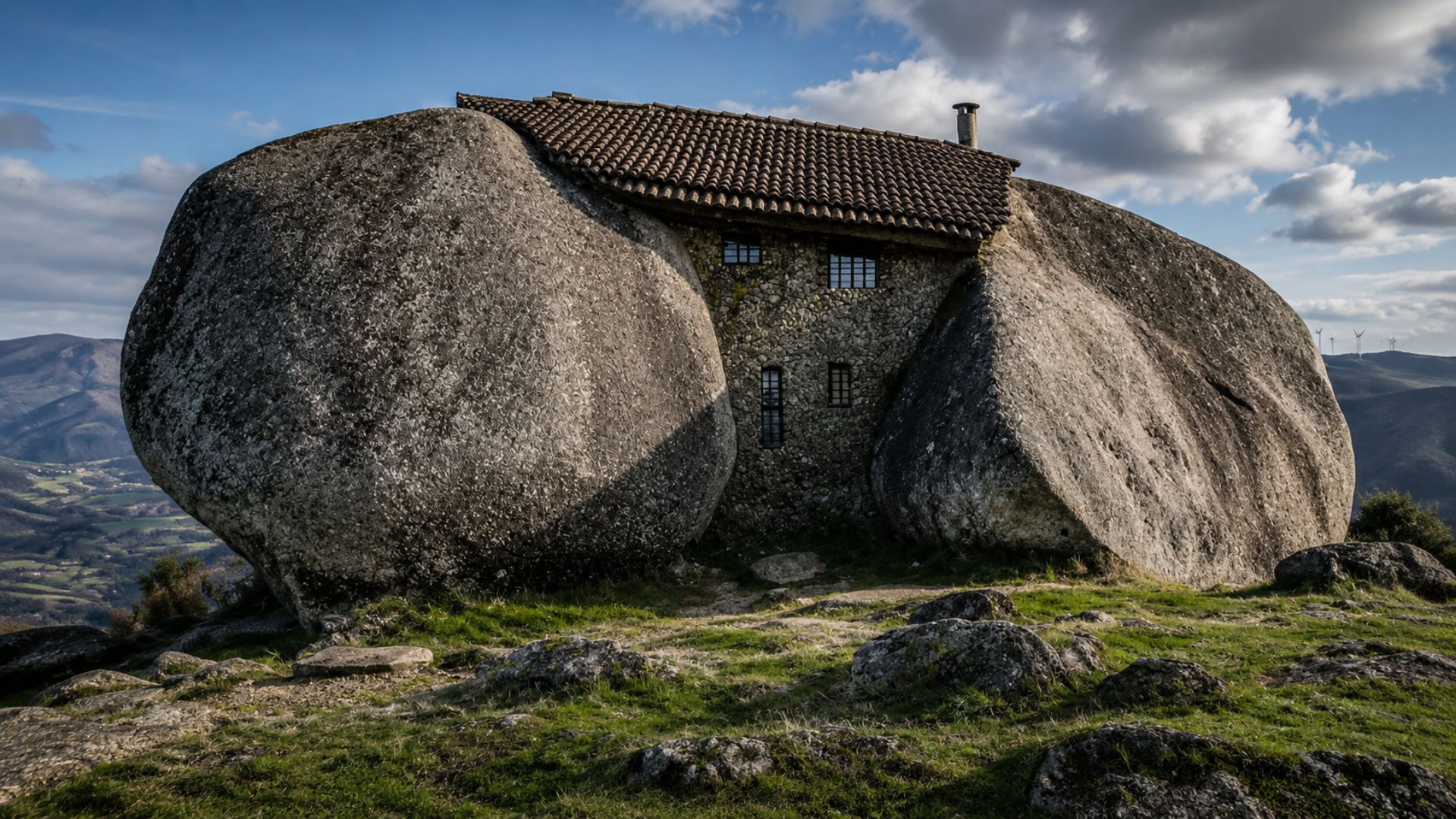
A house built between four granite blocks in Portugal over 50 years ago draws attention for its prehistoric appearance and the intelligent use of stone, which naturally regulates the temperature. However, the fame brought vandalism and too many tourists, and the owner ended up turning the property into a museum.

-
Sadia replaced the plastic that takes 100 years to decompose with a eucalyptus tray that disappears from the soil in just 75 days, and best of all, without charging the consumer anything extra for the frozen lasagna dish.
-
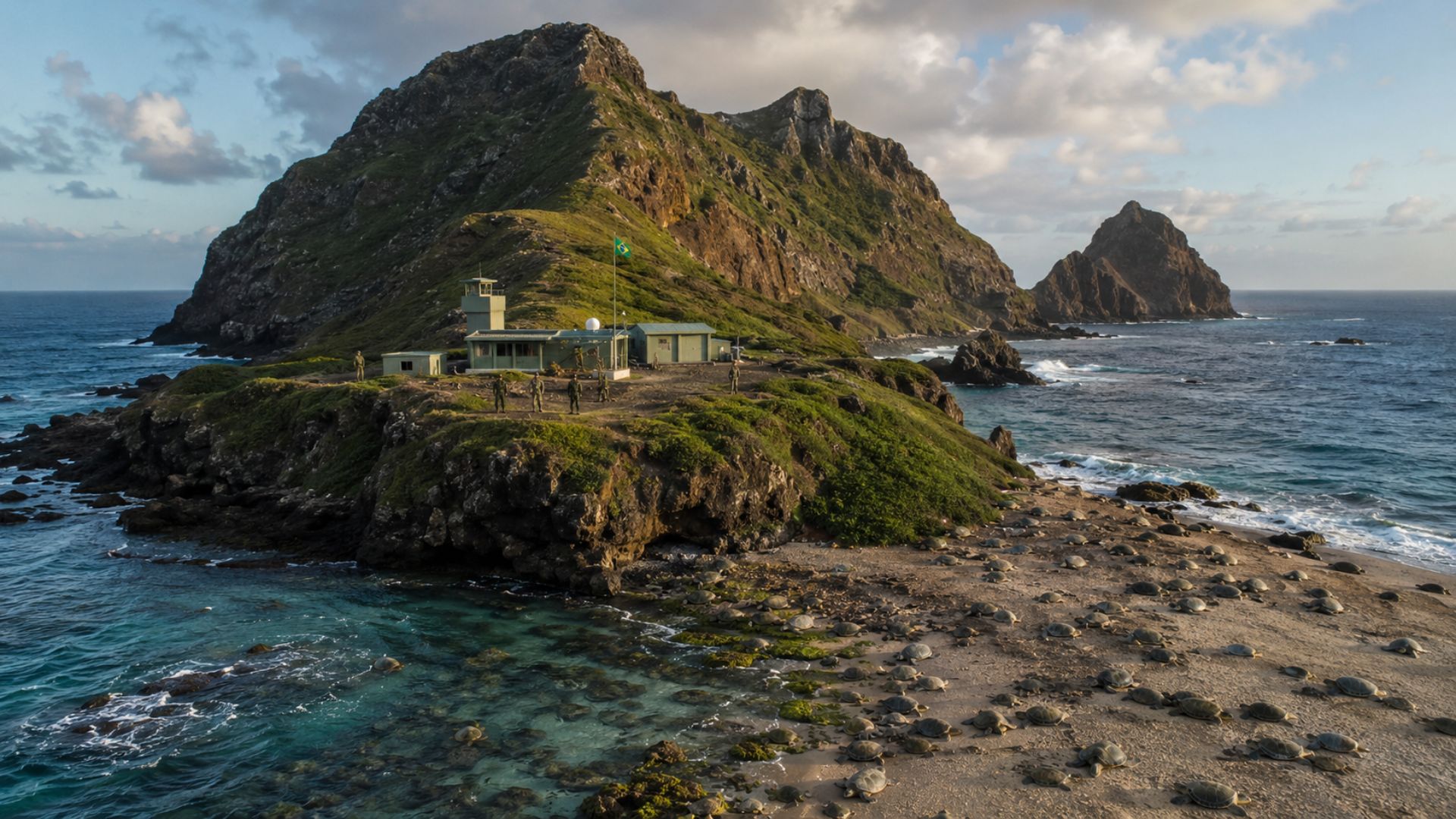
More than 1,100 km off the coast of Espírito Santo, there is a Brazilian volcanic island with no civilian residents, inhabited only by around 32 rotating Navy personnel, who ensure the country’s sovereignty and host the largest green turtle nursery in Brazil.



The Contrast That Caught The Satellite’s Attention
On December 15, 2025, the OLI (Operational Land Imager) sensor aboard the Landsat 8 satellite captured a natural-color image highlighting a striking contrast within the lake:
- Belt Bay appeared with greenish tones
- Madigan Gulf displayed reddish hues, which from the ground may appear pink or orange
Why Does The Water Turn Red?
The main explanation is linked to the increase in salinity as the water evaporates. In extreme environments like this, halophilic microorganisms (that “like” salt) thrive and can alter the water’s coloration.
Previous studies indicate the presence of Dunaliella salina, a microalga that produces carotenoids — pigments associated with pink, orange, and red colors. In other words: the more the lake concentrates salt and conditions change, the more likely these shades are to appear.
The differences between Belt Bay and Madigan Gulf — such as depth, temperature, and salt concentration — can favor distinct microbial communities. This helps explain why the lake can display such different colors in relatively close areas.
How Long Can The Water Remain?
As Lake Eyre is an endoreic basin (with no outlet to the sea) and is in a region with little rainfall, the time the water remains depends on summer heat and the rate of evaporation. In similar historical episodes, the drying process has taken up to two years.




-

-

-

-

6 people reacted to this.