Portuguese
  Spanish


UN Warns of Increased Deaths from Malnutrition in Gaza; Food Boxes Distributed Have Calories But Not Enough Nutrition
More than two million Palestinians in Gaza are facing a severe hunger crisis. The United Nations (UN) warned that the number of deaths from malnutrition is increasing every day. The situation has worsened with the shortage of drinking water and fuel. Moreover, the difficulty in cooking food has become an additional obstacle to survival.
Food Box Distribution by FHG
Since the end of May, the Gaza Humanitarian Foundation (FHG) claims to have distributed 91 million meals.
The deliveries are made through boxes with food. The FHG is supported by Israel and the United States.
-
European Parliament Approves Digital Euro, Aiming to Challenge Visa and Mastercard’s Dominance and Transform Payments Across Europe by 2029

-
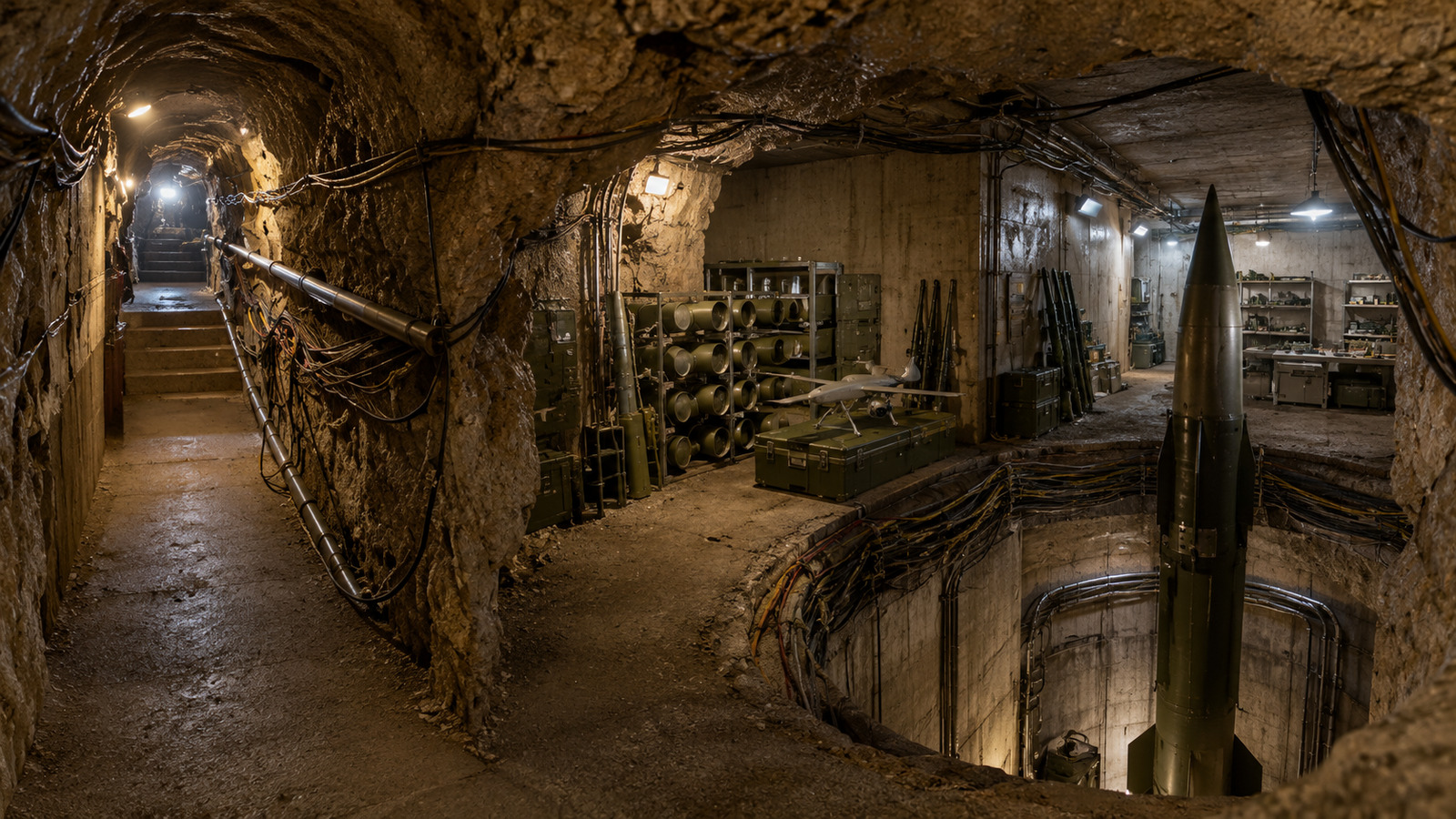
Israel finds Hezbollah militarized tunnel over 200 meters long under village, with 4 missile launch shafts, 12 chambers, anti-tank missiles, drones, and weapons depots at a depth of 25 meters.

-
Ukraine launches largest drone attack on Moscow since 2022, Russia claims to have intercepted nearly 200 aircraft near the capital, Kapotnya refinery targeted again, and offensive reignites alert about war reaching the Russian energy heart just a few kilometers from the Kremlin.

-
Truck drivers, freight, and fines from 2022 take center stage in politics: Chamber approves MP with amnesty, mandatory tracking by CIOT, million-dollar penalties, and new minimum wage for those who spend more than 24 hours on the road.



However, the BBC has been unable to verify the contents of these boxes directly, as foreign journalists are barred from entering the territory.
Despite this, images published on social media have begun to circulate. This week, the FHG itself released photos of the contents of the boxes.
The images show dry foods such as pasta, chickpeas, lentils, and wheat flour. There are also cooking oil, salt, and tahini, as well as halva bars — a sweet made with sesame paste and sugar.
High Caloric Content, Low Nutrition
The FHG provided a chart with the caloric data for an “average box.” According to the group, each unit contains 42,500 calories and can feed 5.5 people for 3.5 days.
In some cases, the boxes include tea, biscuits, potatoes, onions, and chocolate. However, these items are not included in the official data of the chart.
Experts analyzed the list provided. Professor Stuart Gordon from the London School of Economics stated that the diet might contain enough calories, but it is far from complete. “It fills the stomach, but offers an empty diet,” he summarized.
According to Gordon, this type of food is typical in emergencies to prevent immediate deaths. However, he warned that if consumed for weeks, this diet causes “hidden hunger” and diseases such as anemia and scurvy.
Severe Deficiencies and Health Risks
Professor Andrew Seal from University College London also assessed the contents. He identified deficiencies in calcium, iron, zinc, and vitamins C, D, B12, and K. Furthermore, he pointed out the absence of appropriate foods for young children.
Seal highlighted that prolonged consumption of these foods leads to severe nutritional deficiencies. This particularly affects the most vulnerable groups, such as pregnant women and children.
For him, UN programs often provide bulk foods and targeted supplements, which is not the case with the FHG boxes.
The BBC Verify tried to question the FHG about the nutritional value of the boxes. It also asked if the organization received technical advice or plans to adjust the contents. So far, there has been no response.
Cooking Has Become a Challenge Amid the Crisis
Even those who receive the boxes face difficulties in preparing the food. Many items require cooking, but there is a lack of water and fuel.
The UN Office for the Coordination of Humanitarian Affairs (OCHA) warned that the water crisis is rapidly worsening.
Without gas to cook, families resort to discarded materials and unsafe methods. In May, the World Food Programme (WFP) reported that the supply of gas had been interrupted.
Since then, the product is being sold on the black market at prices up to 4,000% higher than before the conflict.
Situation Considered Extreme by the UN
UN Secretary-General António Guterres declared that the inhabitants of Gaza are facing a severe shortage of supplies.
According to the WFP, nearly a third of the population goes days without eating. Malnutrition primarily affects women and children. It is estimated that 90,000 people need urgent treatment.
With information from BBC.