Portuguese
  Spanish


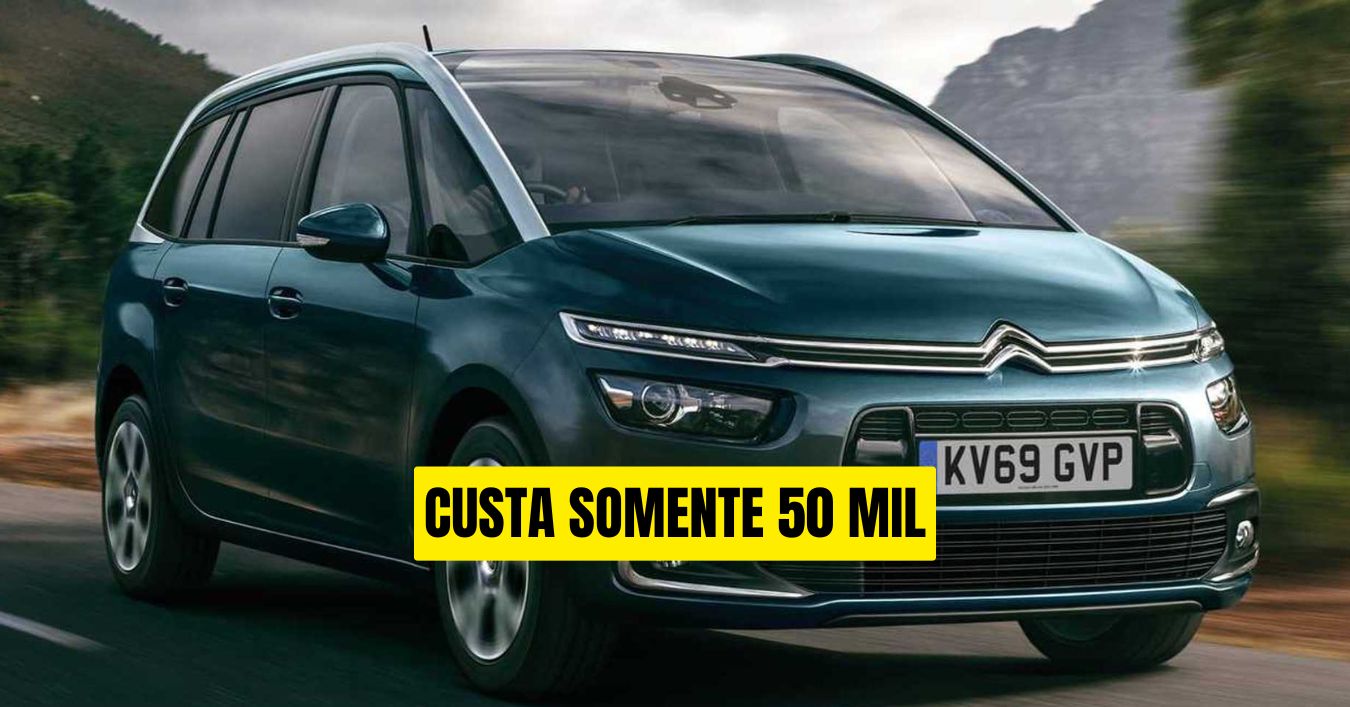

The Rare Citroën Grand C4 Picasso That Few Brazilians Knew That Exudes 1.6 THP Engine, 7 Seats, Pickup Wheelbase, and 684 km Range
The Citroën Grand C4 Picasso is one of those automotive gems that few people got to know in Brazil, but it made its mark among European minivans. The model brought together an almost unbeatable set: a modern turbo engine, space for seven occupants, highway autonomy exceeding many SUVs, and an innovative design that still attracts attention today.
Despite being unpopular on Brazilian streets, the car became a symbol of a differentiated proposal, designed for families looking for comfort and versatility without sacrificing performance.
1.6 THP Engine: Power and Efficiency in Sync
The heart of the Grand C4 Picasso was the 1.6 THP engine (turbo with direct injection), one of the most awarded by Citroën and PSA at the time. It delivered between 140 and 165 hp, with high torque and immediate response at any RPM.
-
Discover the 2021 Fiat Cronos 1.3: Affordable Maintenance, Reliable Mechanics, and Fuel Efficiency of Up to 15.6 km/l

-
Cummins Unveils Hydrogen-Powered X15H Engine with Over 800 km Range and 15-Minute Refueling, Challenging Electric Truck Dominance

-
Chevrolet Onix 2026 Priced at R$ 86,790 with Discounts, Underpricing Citroën C3; Features 1.0 Engine, 6 Airbags, 8″ MyLink, Wi-Fi, and OnStar

-
Fiat Mobi Price Nears $18,000 in Brazil: Entry-Level Hatch with 1.0 Firefly Engine, Manual Transmission, and Stability Control Sees $400 Increase.


This translated into acceleration from 0 to 100 km/h in less than 9 seconds and a top speed exceeding 200 km/h, impressive numbers for a seven-seater vehicle weighing over 1.6 tons.


In addition to its power, the engine stood out for its efficiency, especially on trips, balancing performance with good fuel consumption.
Plenty of Space: Seven Seats and Pickup Wheelbase
If the mechanical part was already impressive, the interior space was another differential. The Grand C4 Picasso offered seven real seats, distributed in three rows, something rare in vehicles sold in Brazil at the time.
The secret lay in the 2.84 m wheelbase, equivalent to some mid-size pickups, which ensured comfort even for occupants in the third row. This made it a perfect option for large families or those needing versatile space for long trips.
684 km Range: Long Trip Without Worry
In a scenario where efficiency is increasingly valued, the Grand C4 Picasso showed that it was possible to travel a lot without sacrificing performance.
With averages of about 10 km/l in the city and up to 12 km/l on the highway, the model delivered a range of approximately 684 km on a full tank. For families who enjoyed the road, this meant fewer stops at gas stations and more time enjoying the trip.
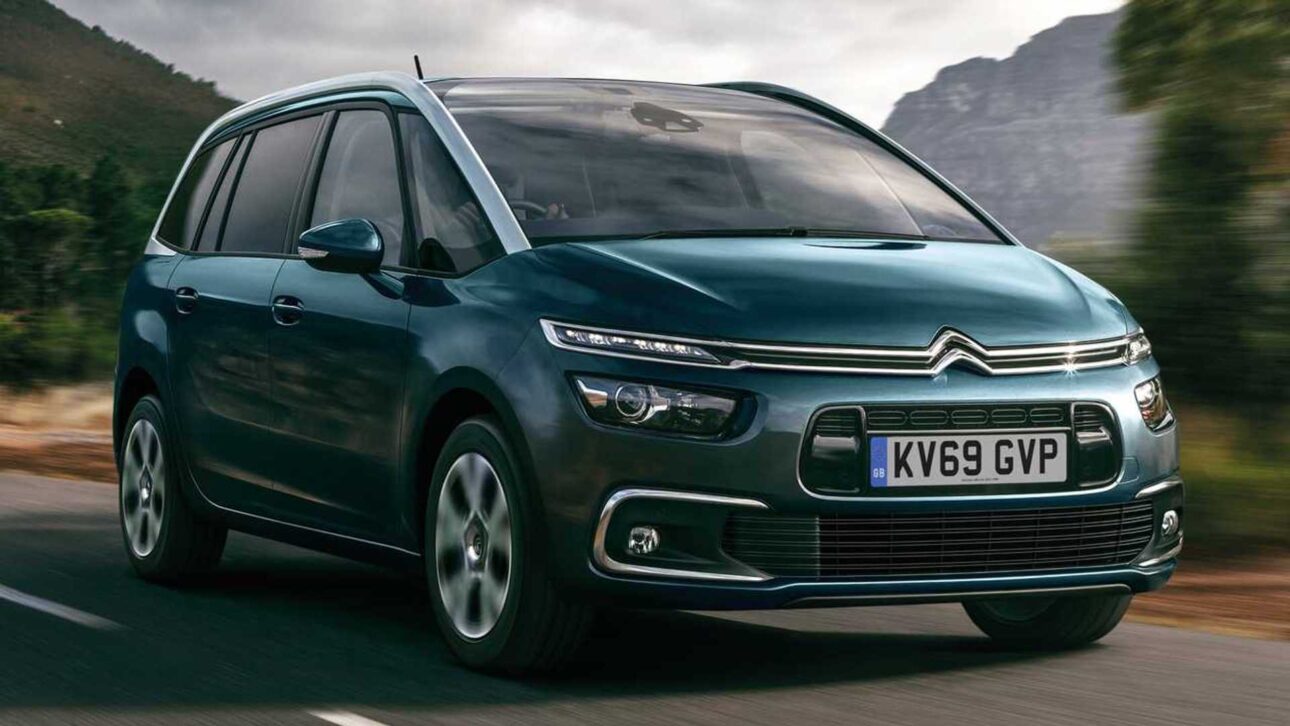
Visually, the Citroën Grand C4 Picasso was a car ahead of its time. Its panoramic windshield expanded the view and conveyed a unique sense of openness, while the design of smooth, aerodynamic lines reinforced its modern identity. Inside, the digitized central dashboard was another element that stood out, highlighting the technological character of the French brand.
A Rare Car That Left a Legacy
Despite so many attributes, the Grand C4 Picasso was rarely seen in Brazil. The national market, increasingly dominated by SUVs, ended up leaving minivans in the background.
But those who came in contact with this model know that it gathered unique characteristics: turbo engine performance, large SUV space, minivan comfort, and medium hatchback efficiency.
Today, it is remembered as a rare car, but one that anticipated trends and showed that Citroën knew how to combine technology, design, and versatility like few manufacturers.