






 Portuguese
  Spanish
  5 min of reading
  42 comments


BYD Unveils A Charging Technology That Completely Changes The Electric Vehicle Landscape: Just Five Minutes To Achieve 400 Km Of Autonomy
BYD has burst onto the scene with a technology that has even Tesla fans in disbelief. Imagine being able to charge your electric car in the time it takes to order a coffee? Well, the Chinese have created a charging system so fast that it threatens to throw that old excuse of electric cars taking too long to charge in the trash.
Faster Charging Than Filling Up
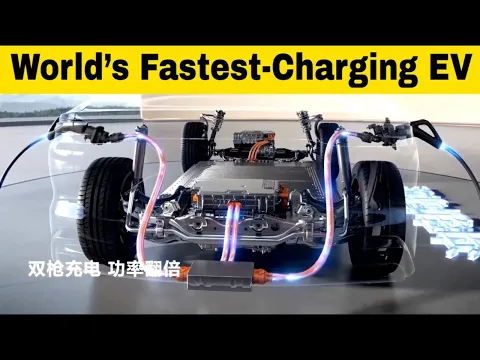
The latest star is called Super e-Platform. This charging platform can stuff 400 km of autonomy into an electric car in just five minutes. That’s right: five minutes and you’re ready to hit the road. While the world is still getting used to 30-minute charging sessions, BYD comes up with this craziness that seems straight out of science fiction.
The secret lies in a combination of a new battery, a lightweight motor, and a smart cooling system that can handle the pressure. The charging station is also no ordinary one. It can deliver power at 1,000 kW, double what the best Tesla chargers do today. This is only possible because of a silicon carbide chip that can handle up to 1,500 volts. It’s like plugging the car into Tony Stark’s outlet.
-
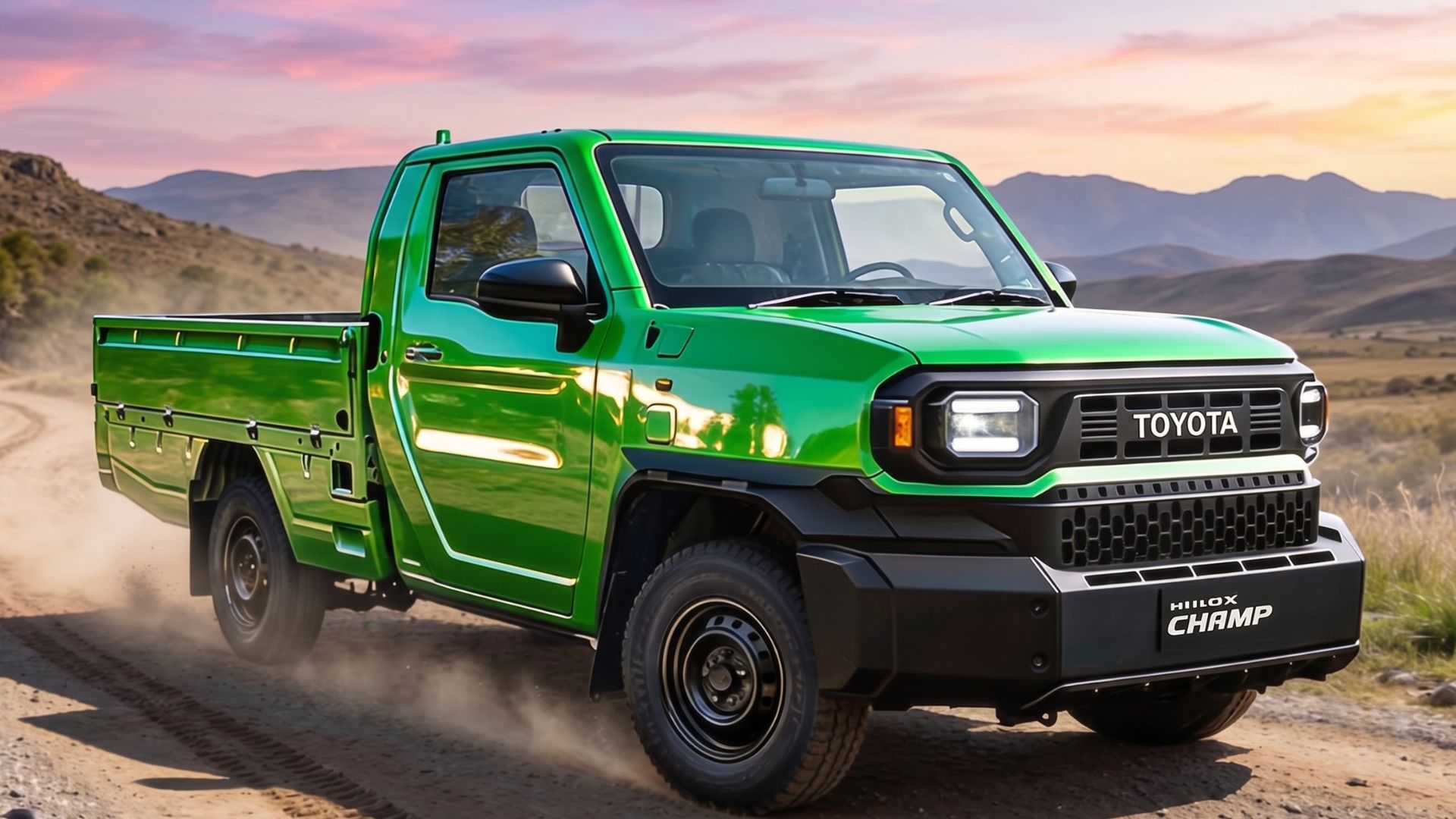
Toyota Hilux Champ emerges as the “mini-work Hilux” that Brazil doesn’t have: for around R$ 81,7 thousand in conversion without taxes, the pickup has a modular chassis, single cab, 2 seats, 2.4 diesel engine, and a popular car price to become a tool for construction, cargo, and small business in Thailand.

-
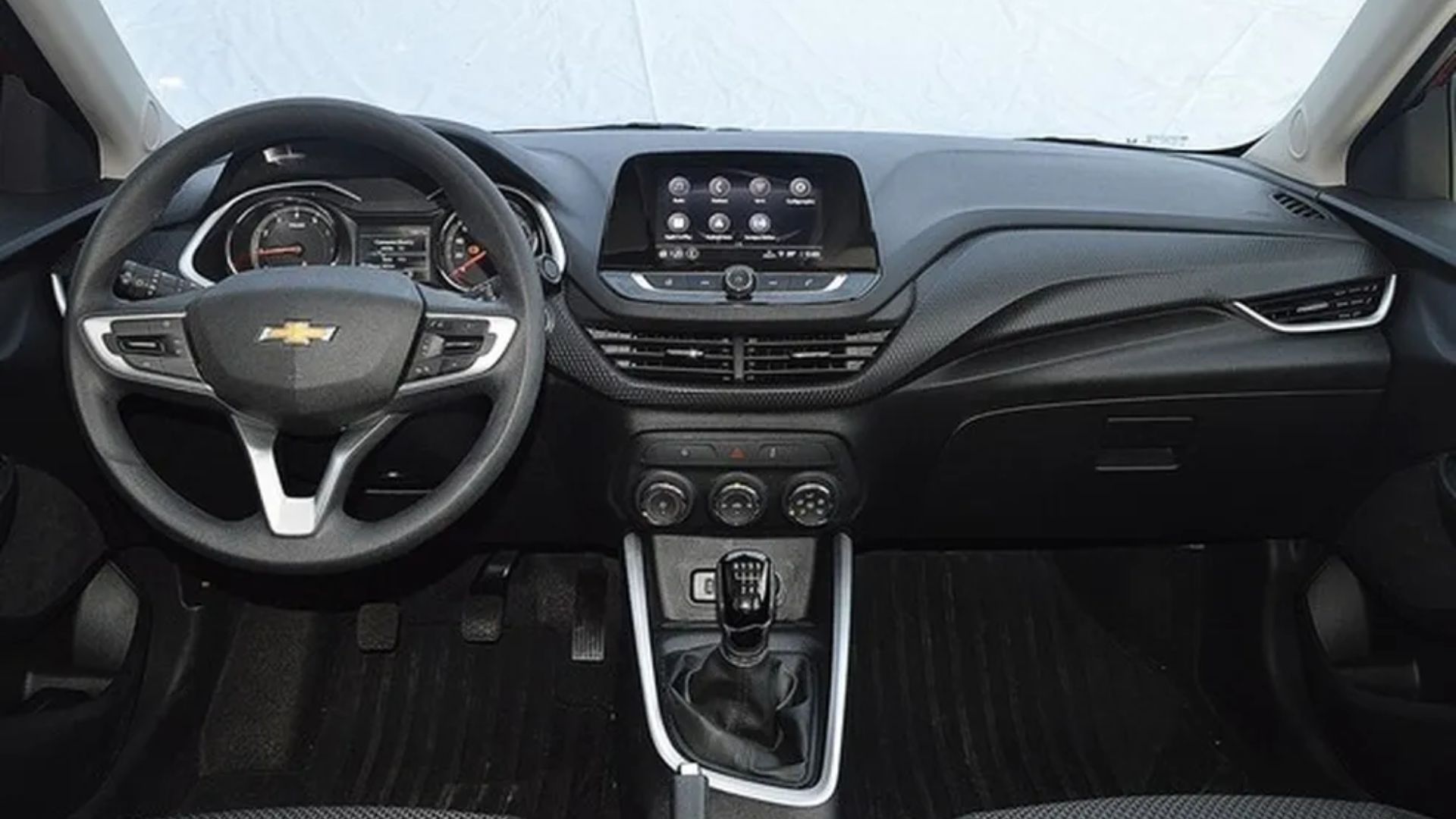
Chevrolet Onix leads the efficiency ranking among flex-fuel cars by Inmetro, achieves almost 18 km/l, and costs less than R$ 100,000.
-
Non-alcoholic beer is not always 0.0%: the drink can appear on the breathalyzer, result in a fine of R$ 2,934.70, suspend the driver’s license for 12 months, and even lead the vehicle to be impounded.

-
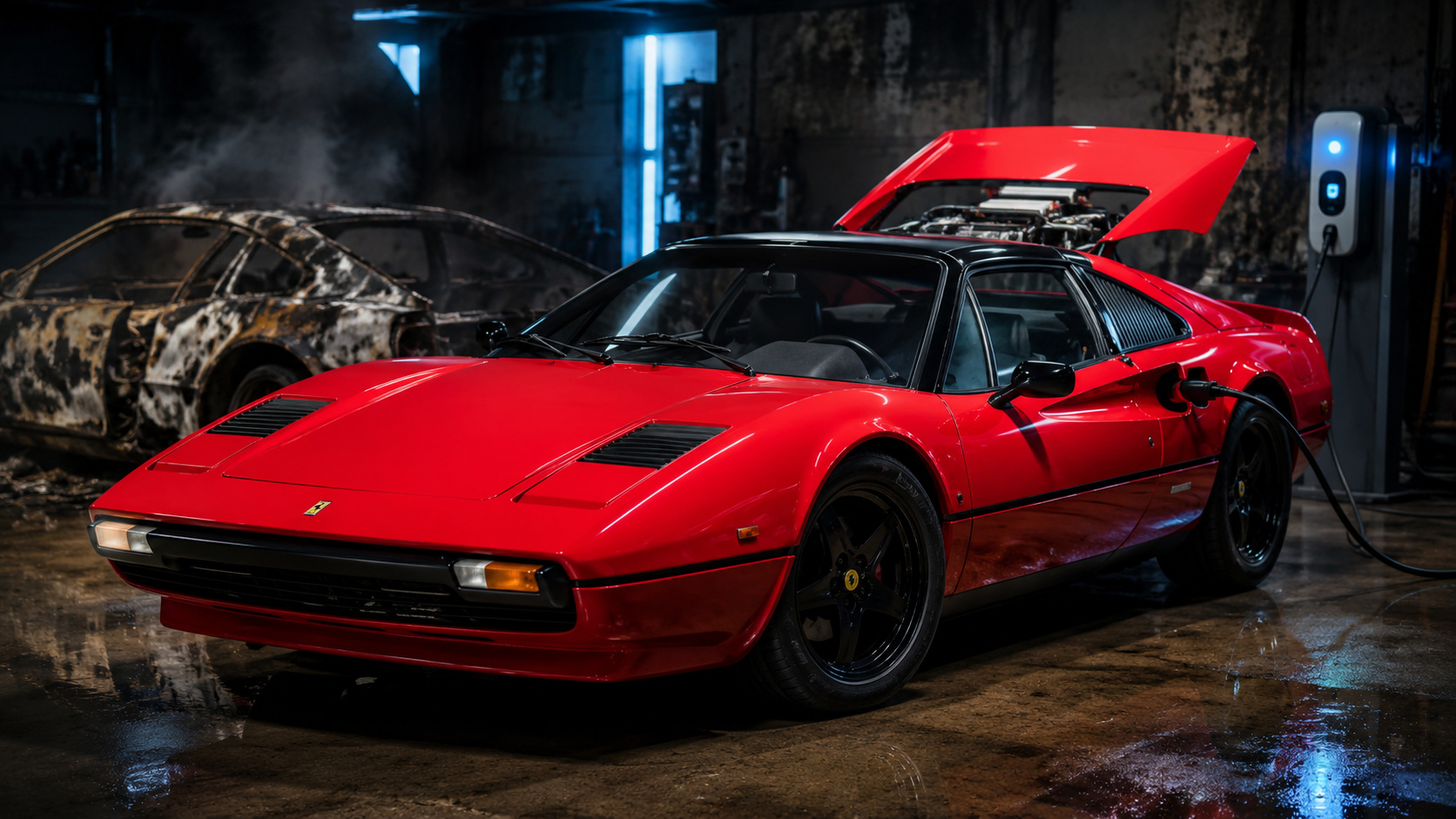
A burned Ferrari seemed destined for scrap, until a company removed the V8 engine, installed three electric motors, and transformed the old sports car into the 308 GTE with a 47 kWh battery.

The First Cars With The New Feature
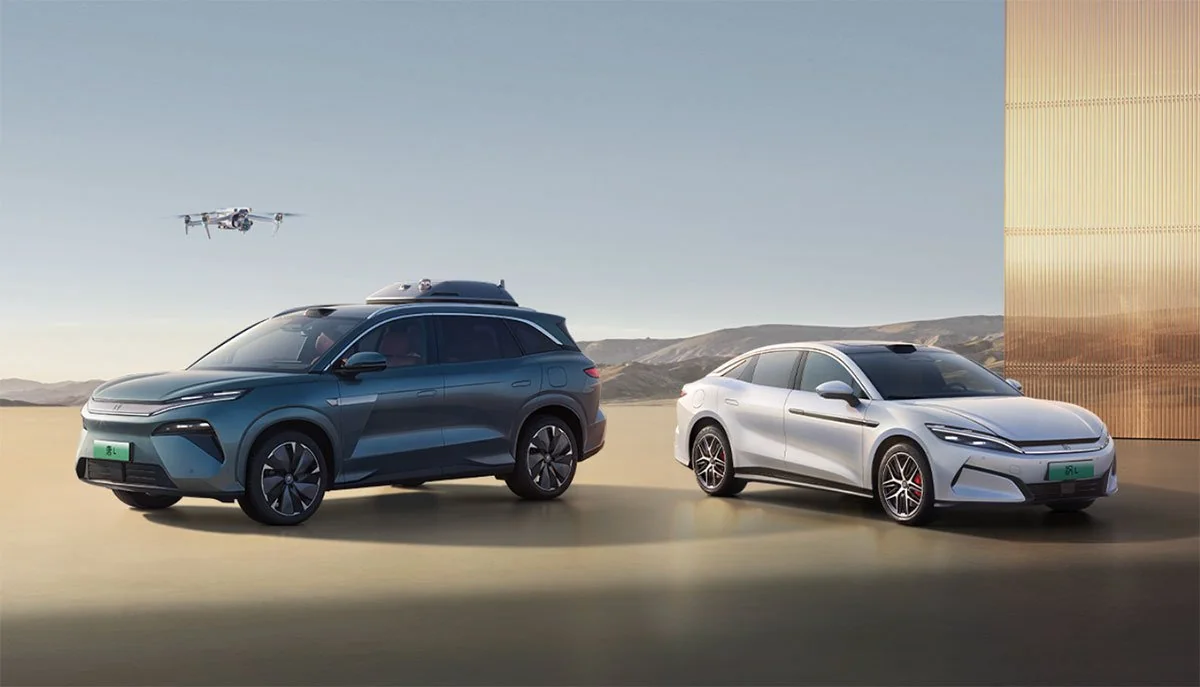
Of course, you can’t launch something like this without showcasing the new toys. BYD unveiled two models in China that come equipped with the Super e-Platform: the Han L and Tang L. They are two beasts, one sedan and one SUV, that combine luxury, power, and this lightning-fast charging.
The Han L, for example, is so powerful that it goes from 0 to 100 km/h in 2.7 seconds in the top-tier version. The larger Tang L reaches 100 km/h in 3.9 seconds. Both have a motor that revs up to 30,000 RPM, which helps keep the car lighter and accelerates like crazy.
They use a battery that BYD has been producing for some time, called Blade, but this new version has been turbocharged to withstand ultra-fast charging without overheating. Oh, and it’s not just about speed: the autonomy also impresses, easily exceeding 650 km on a single charge.
And The Network To Charge All This?
Sure, the car charges fast, but where? That’s where BYD sends another message: China will gain 4,000 stations with this technology next year. Everything starts there, of course, but the idea is for the system to gradually spread, even to places like Brazil, where the company has been investing heavily.
These stations are special, with a liquid cooling system to handle the energy flowing through. They can even store energy and release it all at once when the car arrives, like a controlled electric jolt. This helps even in areas where the electrical grid isn’t very reliable.
Tesla, Step Up Your Game
To give you an idea of the advancement, Tesla currently offers around 275 km of autonomy with a 15-minute charge. It sounds good, but BYD delivers nearly double the autonomy in one-third of the time. That’s a staggering leap.
Another Chinese brand, Li Auto, is also in the race with chargers that deliver 500 km in 12 minutes. But BYD has managed to combine all this with a platform ready for mass production and two confirmed models. The company is also gaining ground in the stock market, with shares rising over 85% in the past year.
And The Rest Of The World?
For now, this play is limited to China. BYD itself admits there is still a long way to go before spreading this novelty further. This is because not all countries have an electrical grid ready for this type of energy jolt. Furthermore, few car models can handle such power without experiencing battery wear over the long term.
Another open point is the durability of these batteries being charged this quickly frequently. The company hasn’t detailed how long they can last without losing performance. But, since BYD has many years of experience with the Blade, it’s likely they have conducted stress tests before rolling this out to the market.
Brazil On The Map?
It’s worth noting that BYD already has a factory confirmed in Bahia, where it will assemble electric cars and batteries. This could accelerate the arrival of the new platform here. But for that to happen, the country will need to invest much more in charging infrastructure. Right now, even in large cities, there’s still a lack of ultra-fast chargers in public places.
If the system takes off, it could be a game-changer for the automotive market. As it stands, electric cars are still seen as expensive and complicated. But if you can charge in five minutes and drive more than 400 km without a headache, then the conversation changes. It’s the type of innovation that takes electric cars out of the bubble and puts them on the radar of everyday people.

A New Standard In The Market
With this novelty, BYD shows that it’s not playing around. While other automakers keep promising future technologies, it goes ahead and launches a car that already does what no one else can. The pressure is now on the competitors, who will have to catch up to avoid falling behind. The electric car market has never been so competitive — and that’s great for those looking to switch vehicles in the coming years.







Que coisa boa! Só esqueçeu de falar que estações de recarga de 1MW é assim, facinho e baratinho de colocar por aí, em tudo quanto é lugar. É o consumo de aproximadamente 500 casas, ou 2.000 habitantes. Nem em países com infra estrutura realmente boa, a rede atual comporta isso. Vai levar bastante tempo pra isso se tornar realidade. Não é pelo meio ambiente, é pelo dinheiro, entendam… Se fosse pelo meio ambiente, temos desde os anos 70 um combustível neutro em carbono, que é o etanol de cana de açúcar….
Mesmo com esse lançamento, temos que avaliar melhor, para a cidade o carro elétrico atende, mas para a estrada tem que mostrar na prática.
Outra questão é a vi ida útil das batarias e seu preço, outra ainda é a poluição e consumo de energia no processo de fabricaçao e reciclagem destas baterias!!!
Como se esse fosse realmente o único problema do carro elétrico, esqueceram que daqui uns anos a bateria vira lixo e trocar sai tão caro quanto comprar um carro novo. Só olhar o abismo de desvalorização dos elétricos. Fora preço de peças e componentes que são extremamente caros. Elétricos com 20 anos de uso serão nada além de sucatas, mas hoje existem carros a combustão dessa idade que são fortes. Qual dos dois vira uma pilha de lixo primeiro?