Portuguese
  Spanish




With 18 Km Of Extension And An Investment Of €8 Billion, The World’s Largest Undersea Tunnel Will Connect Germany And Denmark In Just 7 Minutes, Replacing The Ferries That Take 45 Minutes – And It Will Be Ready By 2029!
Traveling between Germany and Denmark will never be the same. By 2029, the world’s largest undersea tunnel will be ready to shorten the journey between the two countries, connecting the cities of Puttgarden and Rødbyhavn across the Fehmarn Strait. With 18 kilometers in length and 30 meters in depth, the tunnel promises to revolutionize transportation in the region.
The construction, which began in 2020, will replace the ferry service, reducing the crossing time from 45 minutes to just 7 minutes by car or train. But this grand construction is not only about speed — it is a landmark in engineering and connectivity in Europe.
The Fehmarn Strait Tunnel: The Connection Between Germany And Denmark
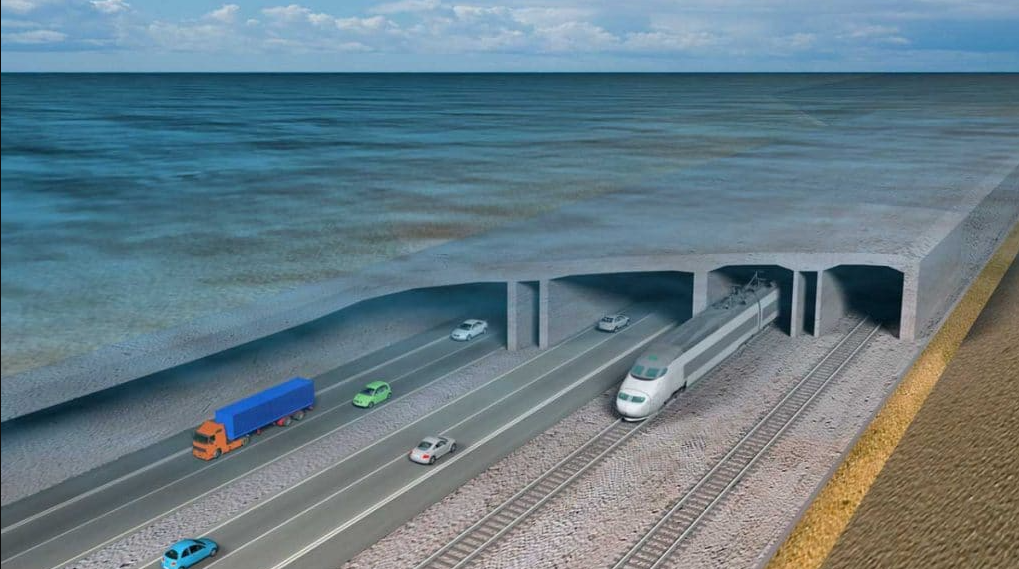
Currently, crossing the Fehmarn Strait requires a long wait for the ferries that make the journey between the two countries. With the construction of the tunnel, this reality will change radically. Drivers and passengers will be able to cross the border within minutes, making travel faster and more efficient.
-
21-Year-Old Moves Back to Parents’ Home in Arizona, Finds New Private Apartment in Converted Garage as Families Tackle U.S. Housing Pressures

-
Innovative Container Studio in Brazilian Beach Town Thrives with High Demand and Plans for Expansion
-
30-Square-Meter Container Home with 2 Bedrooms, Living Room, Kitchen, and Bathroom Sold for $12,000 in Brazil, Tour Reveals Project Details

-
Brazilian Couple Builds Eco-Friendly Brick House, Saves 41%, and Shares Simple Test to Check Soil Suitability



The tunnel will include two railway tracks and lanes for vehicles, ensuring optimized traffic flow for freight and passengers.
Structure And Engineering Of The Largest Undersea Tunnel In The World
With an estimated cost of €8 billion, the structure will be one of the most innovative ever built. The tunnel will consist of prefabricated modules that will be installed at the bottom of the Baltic Sea. Construction began on the Danish side, in Rødbyhavn, in 2020, and the following year, work advanced to Puttgarden, in Germany.
To ensure its durability, the infrastructure has been designed to last at least 120 years, withstanding the intense daily traffic of trains and vehicles.
Investments And Financing Of The Project
The project is primarily funded by the governments of Denmark and Germany, but it also has support from the European Union. By 2024, through the CEF fund (Connecting Europe Facility), the project has already received €1.3 billion.
The construction of the largest undersea tunnel in the world is not just a matter of infrastructure — it is a significant step toward boosting the region’s economy. The direct connection between the countries will stimulate trade, increase tourism, and facilitate the transport of goods.
With the collection of tolls, the countries will be able to recoup part of the investment and keep the tunnel in perfect working condition for decades.
The Construction Timeline Until 2029
Since the beginning of the construction, the project has been progressing as planned. In February 2024, the first two modules of the tunnel were moved from the shipyard to the assembly basin, a significant milestone for the continuation of the work.
The year 2025 will be crucial, as it will mark the beginning of the installation of the main structures of the tunnel. The expectation is that by 2029, all stages will be completed and the submerged crossing will be officially open to the public.