Portuguese
  Spanish


The international oil market is once again operating under strong pressure after new projections indicated a possible price surge if the conflict in Iran prolongs. According to an analysis released by Goldman Sachs bank, the barrel could approach US$ 120, a level that not only draws attention for its value but mainly for the impacts it could generate on the global economy.
Right at the beginning of the projections, analysts highlight that the current scenario brings together critical factors that support an upward trend. While the war pressures supply, the market also begins to price in additional risks related to logistics and production stability in the region.
Furthermore, the context is not limited to a one-time increase. On the contrary, it indicates a possible structural shift in the energy market balance, especially if the conflict persists longer than expected.
-
Qantas and Airbus Invest in Company Aiming to Convert Unsorted Household Trash into Jet Fuel

-
Brazil’s ANP Opens 86 New Oil Blocks in the Equatorial Margin, Expanding the Amazon River Mouth Frontier

-
OPEC+ Boosts Oil Supply by 188,000 Barrels per Day in July 2026, Leading to Price Drop from $112 to $89 per Barrel in Under Two Months

-
TotalEnergies Signs 20-Year Deal to Purchase 2 Million Tons of LNG from Alaska, Boosting Project Viability

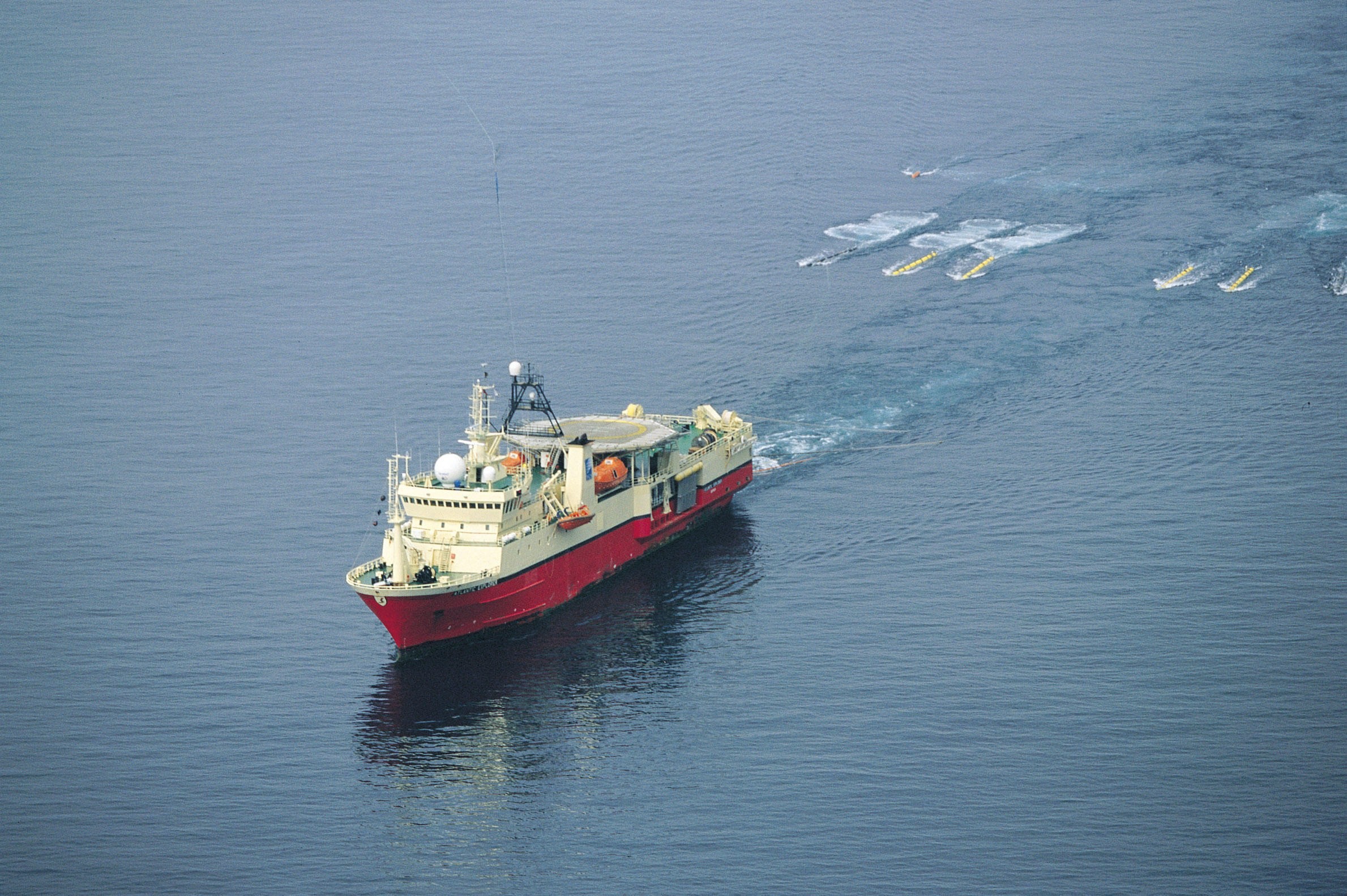


Understand why oil could reach US$ 120 and what factors support this projection
The forecast that oil will reach levels close to US$ 120 is based on a combination of geopolitical and economic factors that directly affect global supply.
Among the main elements supporting this projection are:
- Prolongation of the conflict in Iran, increasing the risk of disruptions
- Possible restriction in the Strait of Hormuz, a strategic global route
- Reduction in the export capacity of countries in the region
- Anticipated reaction from the financial market, which prices in future risks
Furthermore, investors tend to adopt a more defensive stance in times of uncertainty, which contributes to raising commodity prices.
Another important point involves the sensitivity of the oil market. Unlike other sectors, small variations in supply already generate significant impacts on prices, especially when demand remains stable.

War in Iran increases geopolitical risk and reinforces oil’s upward trend
The conflict in Iran represents one of the main risk factors for the global energy market. This is because the region concentrates a significant portion of global oil production.
With the intensification of the war, the market begins to consider more critical scenarios:
- Partial or total interruption of local production
- Difficulties in maritime oil transport
- Increased military presence in the region
- Risk of escalation to other producing countries
Furthermore, history shows that conflicts in the Middle East often generate immediate impacts on oil prices.
Another relevant factor involves unpredictability. As there is no guarantee of a quick resolution, the market maintains a cautious stance, which sustains the increase.
Strait of Hormuz could be decisive for oil’s advance to US$ 120
The Strait of Hormuz remains one of the main points of attention in the current scenario. This is because a significant portion of global oil passes through this route.
Should there be more severe restrictions, the impact could be immediate:
- Reduction in global oil flow
- Increased perception of scarcity
Furthermore, even without a total blockade, any limitation is enough to generate market volatility.
This factor reinforces the projection of higher prices, especially if the conflict continues.
Oil at US$120 could boost global inflation and pressure economic policies
One of the main effects of rising oil prices involves the direct impact on global inflation. When energy prices rise, various sectors of the economy feel the impact.
Among the main impacts are:
- Increase in fuel prices
- Rise in transport and logistics costs
- Higher prices for food and manufactured products
- Pressure on global inflation rates
Furthermore, central banks may react with more restrictive policies, such as interest rate hikes, to contain inflation.
This movement tends to slow down the economy, creating an environment of weaker growth.
Rising oil prices could slow global economy and reduce consumption
While rising oil prices benefit producers, they also generate negative effects for economic growth.
With higher prices, businesses and consumers reduce spending:
- Companies cut operational costs
- Consumers reduce energy consumption
- Fuel-intensive sectors slow down
- Investments may be postponed
Furthermore, more fragile economies tend to suffer greater impacts, especially those that depend on energy imports.
Another important point involves the balance between supply and demand. Very high prices can reduce consumption, creating a natural market adjustment.

Financial market reacts to possibility of oil at US$120
The projection of high oil prices also directly impacts the financial market.
Among the main reactions are:
- Appreciation of energy sector companies
- Decline in fuel-dependent sectors
- Increased volatility in global markets
- Changes in economic growth expectations
Furthermore, investors begin to re-evaluate risks, adjusting their strategies as the scenario evolves.
This behavior reinforces the importance of oil as a global economic indicator.
Limited supply and reduced investment worsen scenario of rising oil prices
Another factor contributing to rising oil prices involves the limitation of global supply.
In recent years, companies in the sector have reduced investments in new projects, prioritizing financial return and capital discipline.
This movement generates important consequences:
- Lower capacity for rapid production increase
- Greater dependence on specific regions
- Difficulty in responding to supply shocks
- Greater vulnerability to geopolitical crises
Furthermore, the energy transition also influences this scenario, as part of the investments has shifted to renewable sources.
Energy transition still does not reduce global dependence on oil
Despite advances in renewable energy, oil remains essential for the global economy.
The substitution faces significant challenges:
- Limited infrastructure for alternative energies
- High demand for fossil fuels
- Difficulty in adapting in sectors such as heavy transport
- High cost of transition
Therefore, crises in the oil market continue to generate significant impacts, even with the advancement of new technologies.

Possible scenarios for oil in light of the war in Iran
The market may follow different paths depending on the evolution of the conflict.
Among the main scenarios, the following stand out:
- Prolongation of the war, sustaining high prices
- Escalation of the conflict, driving new highs
- Diplomatic agreement, which could quickly reduce prices
- Decrease in demand, if the economy slows down
Additionally, any change in the geopolitical scenario tends to immediately impact prices.
Oil remains the main risk variable for the global economy
The current scenario reinforces the role of oil as one of the main risk factors for the global economy.
With the possibility of reaching US$ 120, the commodity begins to influence decisions of governments, companies, and investors.
At the same time, the combination of conflict, limited supply, and economic uncertainty creates a challenging environment that is expected to continue impacting markets in the coming months.
In light of this, monitoring the behavior of oil becomes essential to understand the direction of the global economy, especially regarding inflation, growth, and financial stability.