





 Portuguese
  English
  Spanish
  2 min of reading


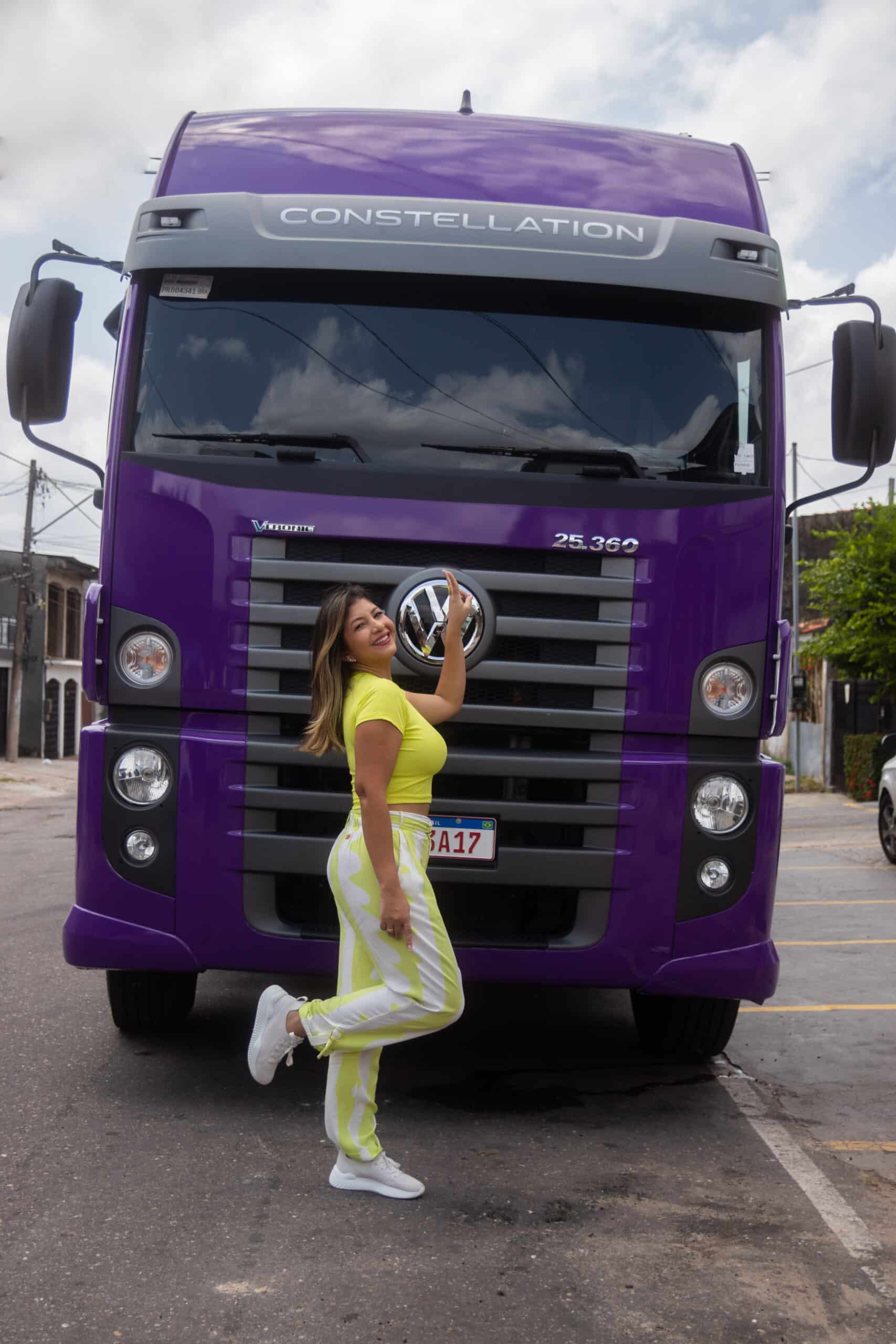
Rafaela Lopes, Owner of Greew Transportes, Comments on Women in the Sector. The participation of women in the transport sector is still small, and data from the Ministry of Labor and Employment (MTE) confirms this.
With about 2.3 million people in the sector, Brazil has 17% of workers in transportation being women; the logistics and trucking market is predominantly male. The data is from the Ministry of Labor and Employment (MTE).
The data shows that the transport sector is still extremely hostile to women. About 83% of those working in the field are men. “When female clothing owners need to deal with logistics, for example, there’s often some discomfort,” says Rafaela.
In Brazil, about 97% of women have experienced some form of harassment in a means of transport. This data comes from research conducted by the Patrícia Galvão Institute and the Locomotiva Institute. Apps like 99, for example, have created features that allow female passengers to request women drivers to avoid any type of problem or discomfort.
-
Argentina confirms Belgian giant to lead strategic Paraná River waterway and promises to reduce logistical costs on one of South America’s most important routes

-
MBRF surprises the logistics sector by demonstrating how Artificial Intelligence can directly influence deliveries throughout Brazil by reorganizing distribution routes in seconds, optimizing fleet usage, reducing logistics costs, and speeding up product arrivals even in the face of unforeseen road incidents.
-
With deep ports and strategic railway, Espírito Santo advances to compete with Santos and attract foreign trade cargo.
-
It is now official: Correios and AliExpress join forces to speed up deliveries throughout Brazil, enhance package tracking, and strengthen the digital logistics infrastructure that supports the rapid growth of e-commerce in 2026.

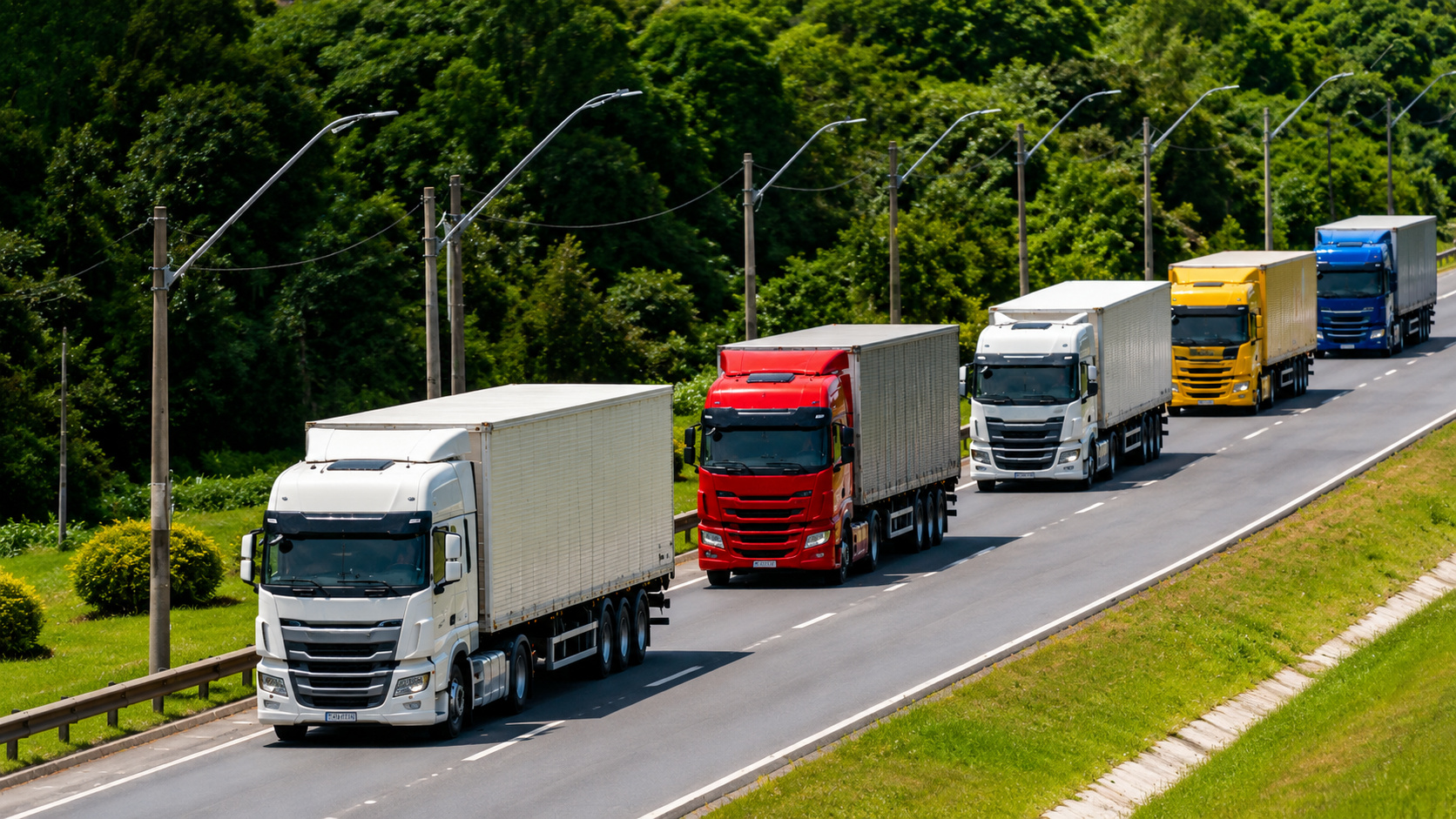


São Paulo (SP) Saw Growth in the Number of Women in the Transport Sector, Including Female Truck Drivers
Rafaela Lopes, founder and owner of a transport company, notices the male predominance in cargo transportation. But this has never been an obstacle. “Road transportation is heading toward equality. In São Paulo, for example, there was a 61% increase in the number of women participating in the sector,” she comments.
“Not just the advancement, but companies that aim for progress itself. Greew is a transport company run by and designed for women. The Greew truck driver knows that he mainly works for women. He knows he needs to have the right attitude for that. The truck driver knows that Greew won’t tolerate inappropriate jokes because the women run the company,” says Rafaela.
Truck Drivers and Masculine Hegemony
In contrast to the “masculine hegemony,” the female presence has been increasing in leadership positions in general. The most recent research conducted by Grant Thornton’s International Business Report indicated that 34% of executive board positions are held by women in Brazil, which is 5% above the global average.
“It is important to emphasize the need for more women and diversity not only in top leadership positions but across all areas,” concludes Rafaela.
For more information, contact Click Petróleo e Gás.








Be the first to react!