





 Portuguese
  English
  Spanish
  3 min of reading
  1 comment


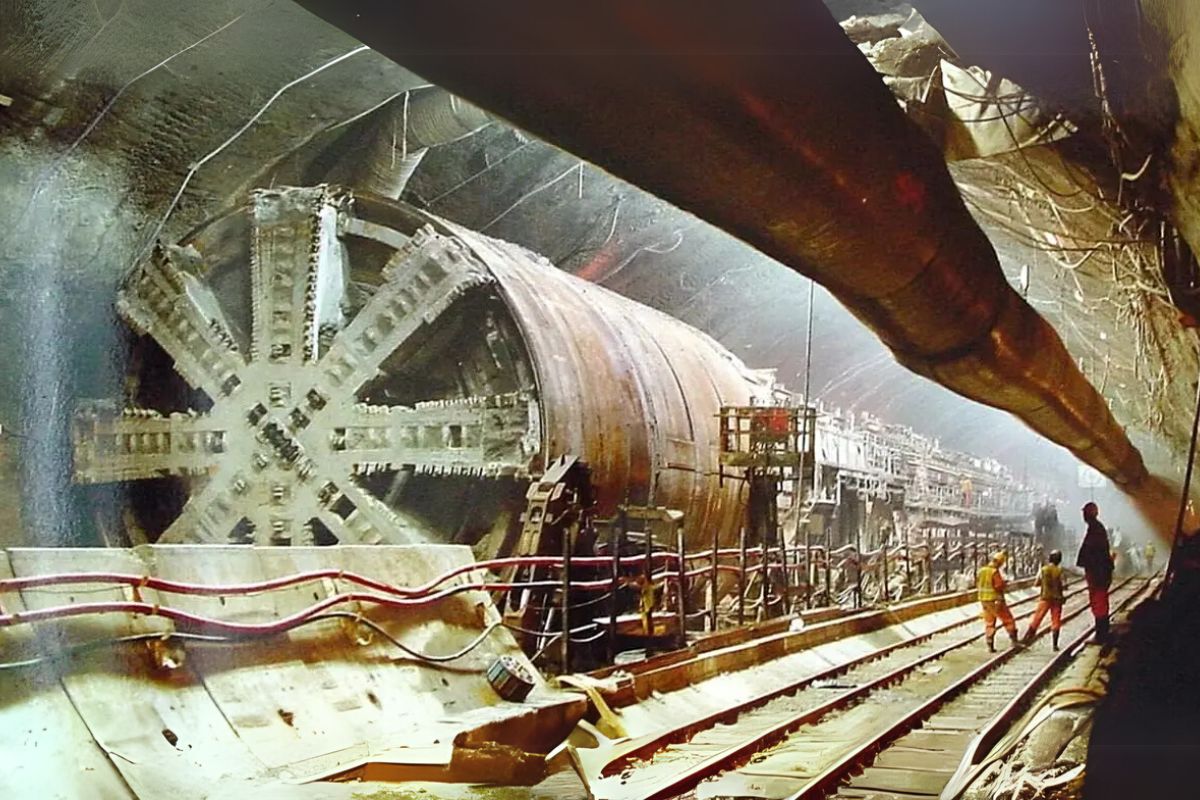

The Eurotunnel Is One of the Seven Wonders of the Modern World. With More Than 50 Km in Length and a Construction Cost of Nearly 120 Billion Reais
The Eurotunnel is one of the seven wonders of the modern world, according to the American Society of Civil Engineers. With more than 50 km in length and a cost of nearly 120 billion reais, this construction is one of the most notable and useful projects in recent human engineering.
Created to simplify transportation and benefit the economy of two of the world’s major economic powers, England and France, the Eurotunnel will celebrate 30 years of operations in 2024. In this article, you will learn more about this masterpiece and all the benefits it has provided to millions of Europeans.
The idea of creating a fixed link between Great Britain and France dates back to the early 19th century, but it was only in 1986 that the project gained significant momentum with the signing of the Anglo-French Treaty on the Channel Tunnel. This treaty established the foundations for the construction and operation of the Eurotunnel by private companies, culminating in the formation of the joint venture TransManche Link, composed of British and French builders.
-
How much does it cost to build a 60 m² house? A real construction project in Minas Gerais revealed a cost of R$ 156,570, which was below the CUB estimate and showed how a compact project with 2 bedrooms can be affordable.

-
Dissatisfied with seeing the construction industry rely on increasingly expensive and polluting materials, students from Paraná used orange peel in mortar, caught attention in an innovation challenge, and can now turn the project into a product with tests at UTFPR.

-
How to properly build a brick wall, starting with measuring the area, choosing materials, preparing the mortar, aligning with nylon string, and finishing with lime, putty, and paint.

-
Four thousand PET bottles became a 24m² house in the interior of São Paulo, as ten students proved that it’s possible to build a home from floor to ceiling with recycled plastic, spending 30% less than a brick construction.



The Construction of the Eurotunnel: A Brief History
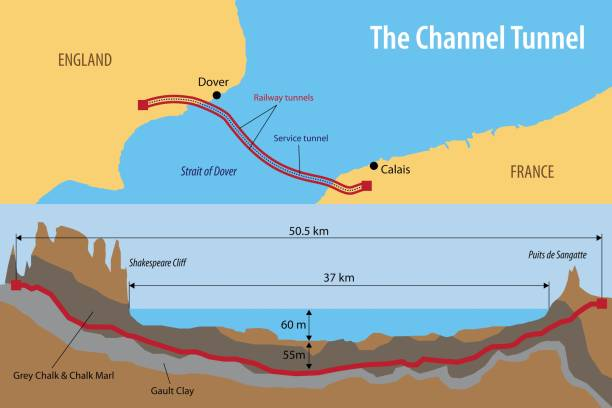
Inaugurated in 1994, the Eurotunnel connects the town of Folkestone, in Kent County, England, to the commune of Coquelles, in the Pas-de-Calais department, France. This underwater tunnel runs beneath the English Channel, a stretch of the Atlantic Ocean that separates southern England from northern France, serving as the only fixed link between the island of Great Britain and the European continent.
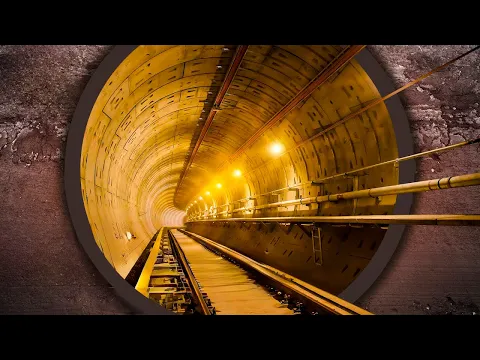
With a length of 50.45 km, the Eurotunnel is the third longest operational railway tunnel in the world. The underwater section of the tunnel, measuring 37.9 km, is the largest in this regard. The Anglo-French construction consists of two main railway tunnels with a diameter of 7.6 m, separated by a service tunnel, all connected by cross passages and piston relief ducts.
Benefits and Services Offered by the Eurotunnel
The Eurotunnel offers various services, including Eurostar, a high-speed train that connects London to Paris and Brussels; Le Shuttle, which transports vehicles through the tunnel; truck transport by train, allowing drivers to travel separately; and Europorte, which is the conventional freight transport service. These services significantly contribute to the integration and economic development of the regions served by the Eurotunnel.
Challenges and Impacts of the Eurotunnel
During its construction, the Eurotunnel faced various technical challenges, including the geological variation of the region and the need to excavate through varying geological conditions. Additionally, the tunnel also faced challenges related to illegal immigration, being seen as an attractive route for people seeking to enter the United Kingdom clandestinely.
The Eurotunnel is truly a masterpiece of global engineering, representing a successful union between England and France for mutual benefit. Over the years, the Eurotunnel has provided an efficient link between the United Kingdom and Continental Europe, generating better accessibility and strengthening the local economy. As one of the greatest achievements of modern engineering, the Eurotunnel will continue to be an important part of Europe’s history and infrastructure.




Será a oitava maravilha do mundo ?