






 Portuguese
  Spanish
 2 min of reading
  0 comments


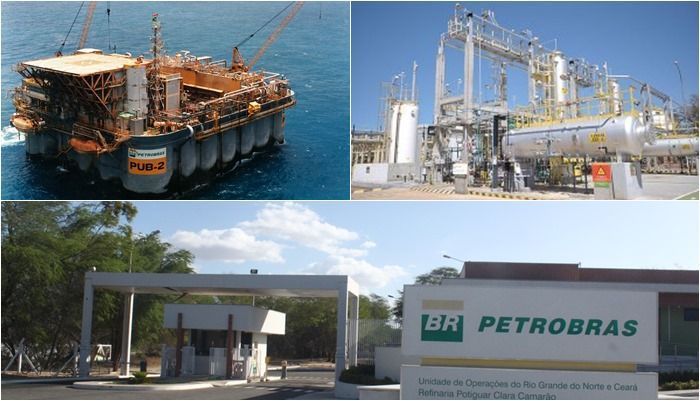
With The Risk of Decreased Oil Demand and Falling Prices, Even Petrobras’ Operations in The Pre-Salt Could Be Made Invable by The High Cost of Low-Productivity Wells
By Luiz Henrique, August 27, 2020 – Petrobras is selling some assets. It needs to raise capital after enduring so much theft and mismanagement in the past, which means it still has a huge debt (it was once the largest for a company in the world), making the cost of raising resources in the financial market very high.
For this reason, Petrobras decided to sell all its assets in Rio Grande do Norte, in an official statement to the press this week. Both in RN and in most of its operations in the northeast, the wells are of low productivity and would not generate enough resources to maintain the new business model.
Without resources, Petrobras will not be able to continue extracting so much oil from the pre-salt and we run the risk, with oil demand falling in the coming years, that prices fall and make offshore extraction unfeasible.
-
The next few hours will be marked by increasing tension regarding the stance to be adopted by the Central Bank’s Monetary Policy Committee (Copom/BC) concerning the benchmark interest rate (Selic) at the end of this Wednesday’s (17th) meeting. Although the market is ‘divided’ on the committee’s decision, the stronger trend in recent weeks is that the rate will remain unchanged at the current level of 14.50% per year. Meanwhile, a minority faction still ‘bets’ on a 0.25 percentage point (p.p) decrease.

-
Casa CazéTV transforms internet chat into a live event during the World Cup, targeting over 100,000 fans in São Paulo and Rio, and boosts a Brazilian experience company that expects to grow up to 60% with shows, big screens, activations, and Brazil’s games.

-
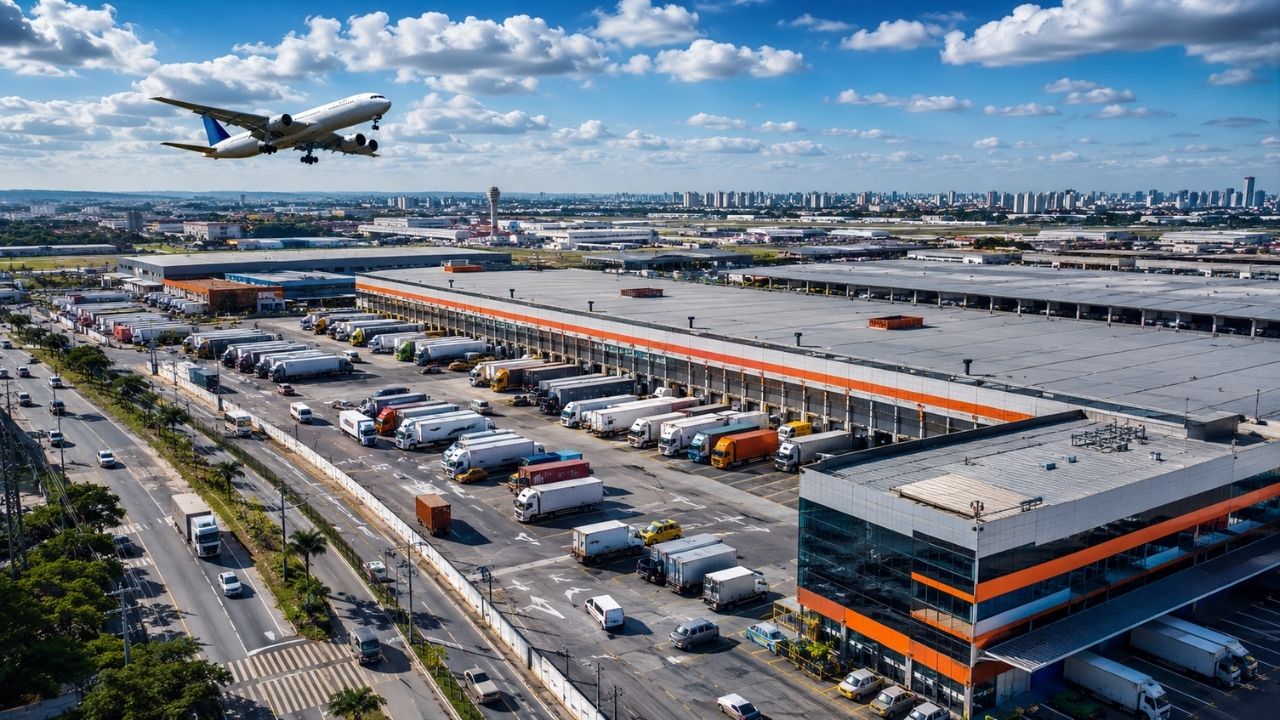
Guarulhos becomes the “Faria Lima of warehouses” with logistics square meter at R$ 37.11, more expensive than the São Paulo capital, while Shopee, Mercado Livre, Amazon, and billion-dollar funds compete for space near the largest airport in South America.
-
Amazon plans to invest more than R$ 1 billion to transform the Brazilian airport into a major cargo hub; the agreement with the city hall is expected to be signed by 2026 and could generate around 5,000 jobs.




Prioritizing the pre-salt, small plants and wells are lacking investments and are at risk of becoming unfeasible. Moreover, a giant like Petrobras does not have a compatible structure to operate small businesses, so the best solution is to sell to someone who has the expertise and compatible cost structure. It would be like “Carrefour operating small shops”.
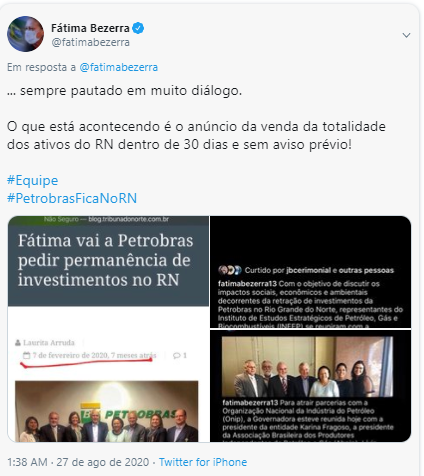
However, some state governments are against this, and it remains to be seen why they prefer the risk of closure. On the Twitter of the Governor of RN, Fátima Bezerra (PT), she expresses indignation and concern about the socio-economic situation of the state, especially for not having been consulted in advance.
I believe that the power to appoint allies to commissioned positions in state-owned companies, in addition to appointing service providers, notably contractors, as we saw in the Lava-Jato, weighs in the opinion of some politicians, despite knowing people who, due to ideology, believe in the state as a businessman.
By Luiz Henrique Sanches
More Interesting Articles
- More than 80,000 job openings were created in the agriculture sector in Brazil in the first half of this year
- Sugar-energy plant hires mechanic, tire repairman, operator, and more for job openings in the state of São Paulo
- Construction of Neoenergia’s Wind Complex is in full swing with an advanced work schedule in Paraíba








Be the first to react!