Portuguese
  Spanish


Buried In Decommissioned Mines And Inside Rocky Mountains, Subterranean Data Centers Like Swiss Fort Knox And The Iron Mountain Digital Bunker House Thousands Of Underground Bank Servers With EMP Protection. These Digital Fortresses Act As Critical Data Infrastructure, Ensuring Global Financial Backup Even In The Face Of Wars, Cyber Attacks Or Nuclear Catastrophes, Operating As True Nuclear-Proof Data Centers.
Imagine A Nuclear Attack, A Digital Collapse, Or An Electromagnetic Pulse (EMP) Devastating Entire Cities. In The Chaos, Banks Fail, Networks Fall, And Millions Lose Access To Their Resources. But There Is An Invisible Gear That Cannot Stop: The Servers Sustaining The Global Financial System. To Ensure That Banking Data, Global Transactions, And Corporate Records Survive Any Catastrophe, Governments And Companies Have Built Structures Inaccessible To The General Public. Subterranean Data Centers, Built In Decommissioned Mines, Caves, And Mountains, Operate 24/7 With Full Redundancy. And Some Of Them Are As Fortified As Nuclear Bunkers.
Swiss Fort Knox: The Digital Fortress In The Alps
In Switzerland, Nestled Between Mountains And Lakes, Sits One Of The Most Secretive And Resilient Data Centers In The World: Swiss Fort Knox. It Doesn’t Carry This Name For Nothing. Inspired By The Most Famous Gold Vault In The United States, This Subterranean Complex Was Built Inside A Rocky Mass Of The Alps, Dozens Of Meters Deep.
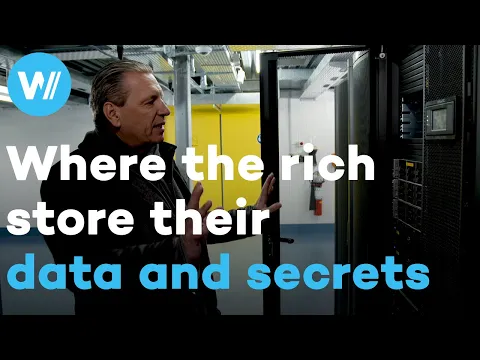

With A Reinforced Concrete Infrastructure, Blast Doors, And EMP Protection, The Digital Fort Knox Is Operated By The Company Mount10 And Used To Store Banking Data, Tax Records, University Information, Corporate Archives, And Official Government Documents.
-
Simple Aluminum Foil Trick Can Easily Remove Excess Ice from Freezer and Simplify Cleaning

-
College Dropout Turned Window Cleaner Builds $1 Million Cleaning Business with Subscription Model After 18 Years of Door-to-Door Work

-
North Korean Soldier Risks Crossing One of the World’s Most Dangerous Borders, Detained in South Korea

-
Stingless Bee Honey from Brazil Can Cost Up to $120 a Liter, Surprises with Flavors of Wood, Citrus, and Even Cheese


The Complex Was Designed To Withstand:
- Nuclear Explosions
- Electromagnetic Pulses (EMP)
- Earthquakes
- Floods And Landslides
It Features Its Own Power System, Internal Climate Control, Biometric Access, Secure Communication, And Real-Time Redundancy To Prevent Any Failure. In Summary, It Is One Of The Most Prepared Structures On The Planet To Keep Data Intact Under Any Threat.
Iron Mountain: The Mine That Became The Digital Vault Of The U.S.
On The Other Side Of The Atlantic, In The United States, Lies One Of The Largest Subterranean Data Centers On The Planet: Iron Mountain. Built Inside An Old Limestone Mine In Pennsylvania, The Location Is So Vast That It Feels Like A Small Subterranean City.
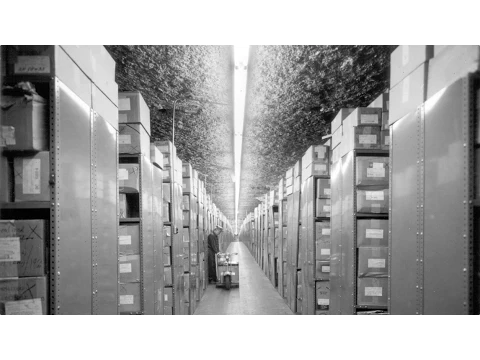
The Digital Bunker Houses Documents And Servers Of Central Banks, Fortune 500 Companies, Government Agencies, And Private Financial Institutions. Its Differentiator Is The Multilayered Security:
Biometric Access Doors, Fire Protection Without Water, Thermal Cameras, Energy Redundancy With Diesel Generators, And External Solar Panels Ensure Total Autonomy. And Of Course, Interconnected Servers With High-Speed Connections, Some Functioning As Mirrors For Global Financial Systems.
And If Everything Fails? They Still Work!
The Main Function Of These Data Centers Is To Keep Financial Systems Operational Even In The Face Of A Catastrophic Event. They Have Resources Such As:
- Real-Time Server Mirroring
- Self-Generated Energy For Days Or Weeks
- Protection Against Hackers And Network Failures
- 24/7 Monitoring With Temperature And Humidity Control
If An Entire City Loses Communication, Transactions Can Be Automatically Redirected To Secure Servers In These Locations. Therefore, Central Banks And Stock Exchanges Have Protocols That Include These Bunkers In Their Digital Architecture.
The 2,000 Servers: Myth Or Reality?
Although The Exact Number Of Servers Is Not Disclosed For Security Reasons, Experts Estimate That Each Data Center Of This Type Can House Between 1,000 To 10,000 Physical Servers. Considering The Main Existing Bunkers, The Use Of “2,000 Armored Servers” Is A Reasonable And Realistic Estimate.
Each Server Is Capable Of Hosting Dozens Or Hundreds Of Virtual Machines, Databases, And Backup Systems. Together, They Operate With Minimal Latency, Geographical Redundancy, And Cryptographic Security.
Why Bury Them?
In Addition To Physical Protection, There Are Strategic And Environmental Reasons. Subterranean Environments Have Stable Temperatures, Which Reduces Cooling Costs. They Also Offer Isolation Against Noise, Vibrations, And Direct Attacks.
During The Cold War, Many Countries Created Nuclear Bunkers To Protect People. Today, These Locations Are Adapted To Protect Data — The Most Valuable Resource Of The 21st Century.
What Do They Protect?
These Servers Do Not Store Just Static Files. They Maintain:
- Global Banking Transactions
- Financial Market Data (Stock Markets, Derivatives, Currency Exchange)
- Instant Payment Systems
- Tax And Judicial Records
- Corporate Contracts And Credit Guarantees
The Idea Is That Even If Several Countries Collapse, The System For Recording And Controlling Wealth Continues To Function. In A Digital Economy, Any Hours-Long Interruption Can Cause Trillions In Losses.
Other Fortified Centers Around The World
In Addition To Swiss Fort Knox And Iron Mountain, There Are Other High-Security Data Centers Spread Across The Globe:
The Bunker (United Kingdom)
Housed In Former Military Facilities In England, The Bunker Is One Of The Most Secure Data Centers In The United Kingdom. Originally Built As A Command Post For The Royal Air Force, It Was Converted Into A High-Security Digital Fortress. Its Rooms Are Shielded Against Physical, Electrical, And Cyber Attacks.
With EMP Protection And A Segmented Access System, The Location Provides Security For Mission-Critical Operations. It Is Widely Used By Insurers, Fintechs, Defense Companies, And Government Agencies. In Addition, It Has Its Own Generators, Fire Suppression Systems Using Gas, And Continuous Monitoring.
Pionen (Sweden)
Carved Into A Granite Mountain In Stockholm, Pionen Was Transformed Into A Data Center By Bahnhof, A Swedish Telecommunications Company.
The Location Is Known For Its Futuristic Appearance, With LED-Lit Hallways And Design Inspired By Science Fiction Movies. At 30 Meters Below Ground, It Was Originally Built As A Shelter Against Nuclear Attacks During The Cold War.
Today, It Stores Highly Critical Data For International Clients, Including Cryptocurrency Servers. With Redundant Power Supply, Emergency Oxygen Tanks, And Independent Fiber Optic Communication, Pionen Can Operate In Isolation For Weeks In Case Of A Crisis.
DC Bunker (Norway)
Located In Norwegian Territory, This Bunker Was Developed To Withstand Air Attacks And Extreme Cyber Attacks. The DC Bunker Is Situated In A Remote And Secure Area, Protected By Layers Of Rock And Reinforced With Remote Control Technology.
Its Primary Focus Is To Serve Governments, Defense Systems, And Companies That Require Maximum Confidentiality.
The Location Is Equipped With Independent Climate Control, Backup Power, And Redundant Connectivity Links. It Also Serves As Infrastructure For Blockchain Services, Cloud Computing, And Government Storage. Physical Access Is Extremely Restricted, With Multiple Layers Of Authentication.
And Brazil?
Brazil Still Lacks Data Bunkers On A Comparable Scale, But Some Companies Are Investing In Tier IV Data Centers, With High Security And Total Redundancy. The Demand For LGPD (General Data Protection Law) Has Also Driven This Movement.
With The Growing Banking Digitization And Use Of Cloud Computing, The Trend Is That Brazilian Banks And Fintechs Will Begin To Adopt Similar Solutions, Although On A Smaller Scale.
While The Population Trusts The Bank App Or The Stability Of Stock Markets, It Is This Invisible Gear That Sustains The System. Without Armored Data Centers, A Simple Attack Or Chain Failure Could Paralyze The Entire Financial Machinery Of The Planet.
They Are Not Just Server Rooms. They Are Digital Fortresses. They Are The New “Gold In Vaults”, Stored Not In Bars, But In Packages Of Data And Encrypted Transactions.
Sources:
- Mount10 AG – Swiss Fort Knox (https://www.mount10.ch/)
- Iron Mountain Data Centers (https://www.ironmountain.com/)
- BBC News: Inside The Data Centre Built Inside A Mountain (https://www.bbc.com/news/technology-29245289)
- The Bunker UK (https://www.thebunker.net/)
- Bahnhof – Pionen Data Center (https://www.bahnhof.net/)
- Data Center Knowledge: Submarine Bunkers As Data Fortresses
- Uptime Institute – Tier Standard: Topology
- Gartner Reports – Infrastructure Resilience In The Face Of Global Crises